
The Estate
With roots reaching back to the 12th century, Château Margaux is one of the Grands Crus that embody the legend of Bordeaux’s fine wines across the world.
In its earliest incarnation, Château Margaux wasn’t a wine estate at all, but a conventional agricultural property known locally—by the end of the 15th century—as Lamothe.
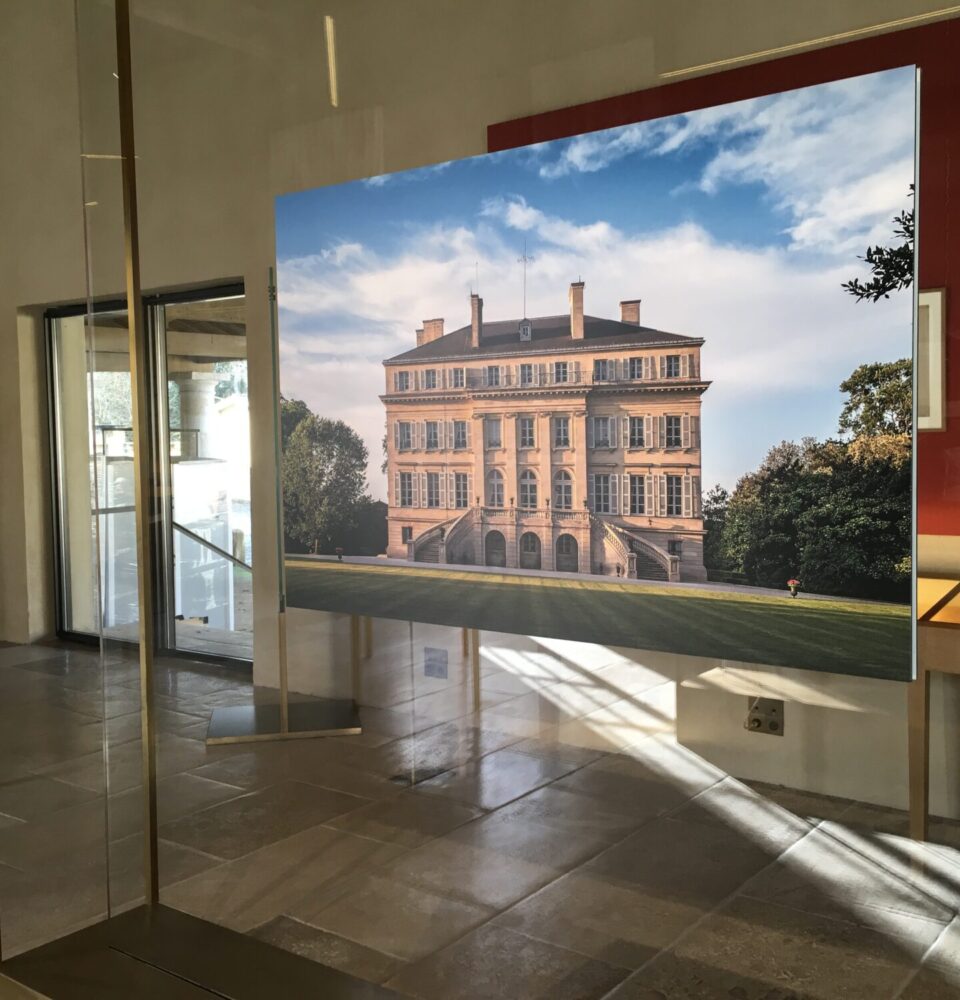
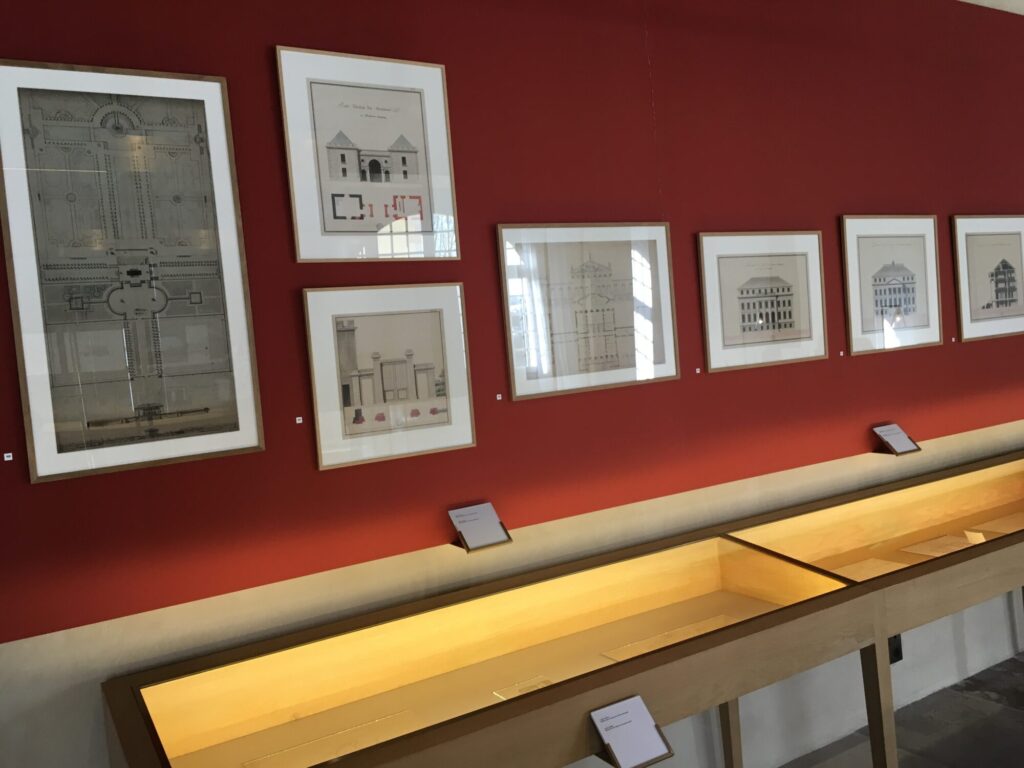
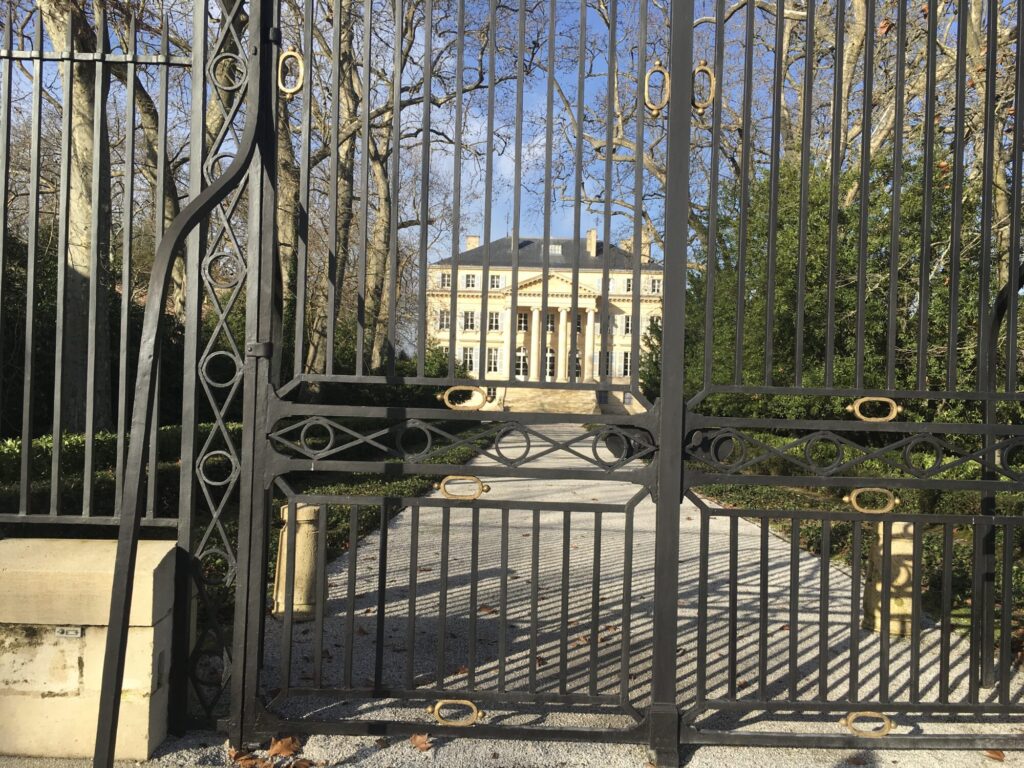
Over the centuries, a succession of owners shaped and expanded the estate. In 1802, the Marquis de Lacolonilla purchased it, and by 1816 had built the château as we know it today. It’s true: not even the French Revolution managed to alter the quality-driven myth of Château Margaux. It was therefore more than deserved when the estate was awarded Premier Grand Cru Classé status in 1855 as part of the Bordeaux Classification—indeed, it was the only one among the four candidates to receive a flawless score of twenty out of twenty.
Even the increasingly rapid changes in ownership did not affect its quality, reputation, or prosperity—at least until the 1950s.
At that time, the Ginestet family acquired Château Margaux. Unfortunately, the new owners had to contend with the economic downturn of the 1970s and the disastrous vintages of 1972, 1973, and 1974. The financial repercussions weighed heavily on the Ginestets, and in 1975 they attempted to sell the estate.
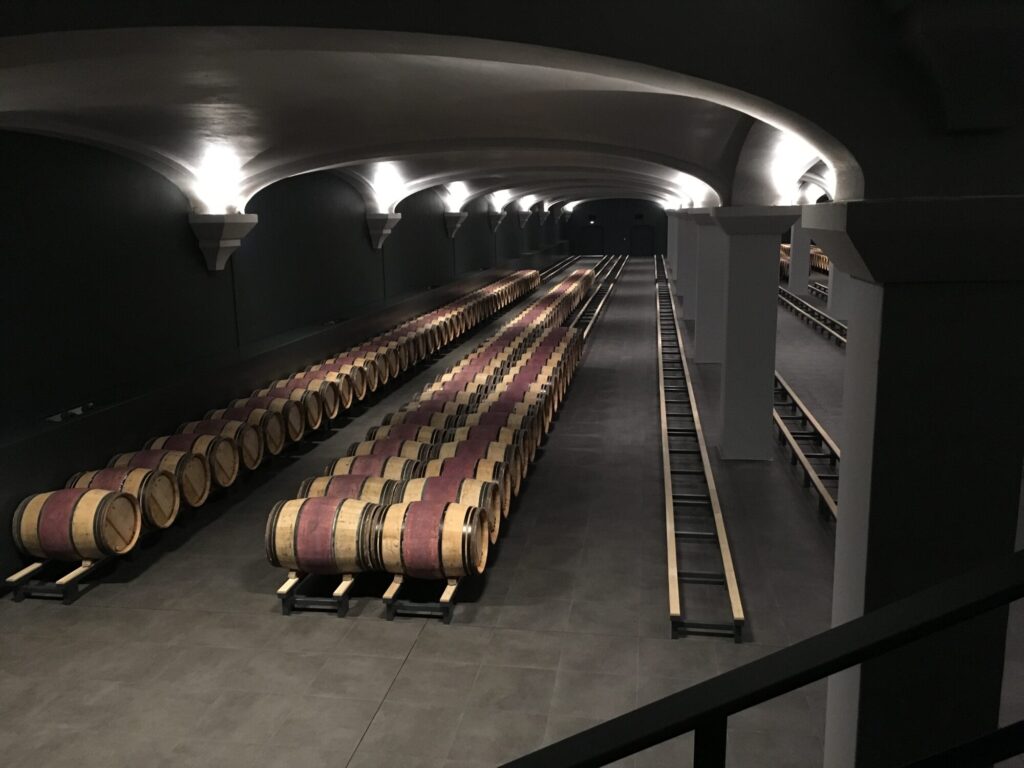
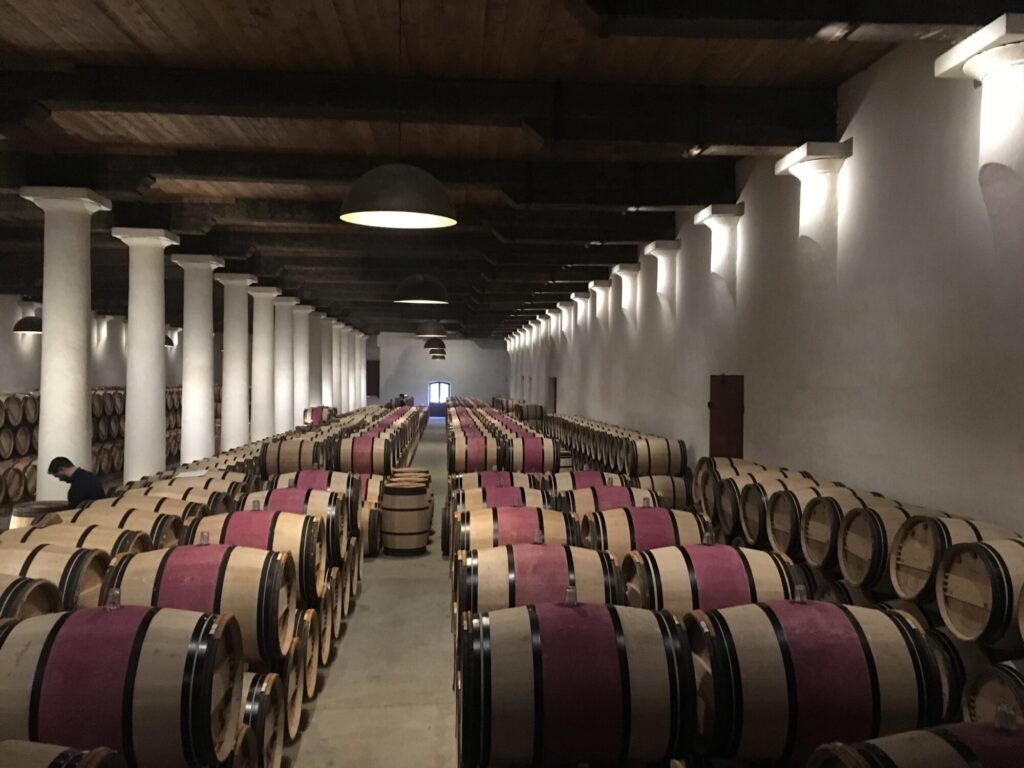
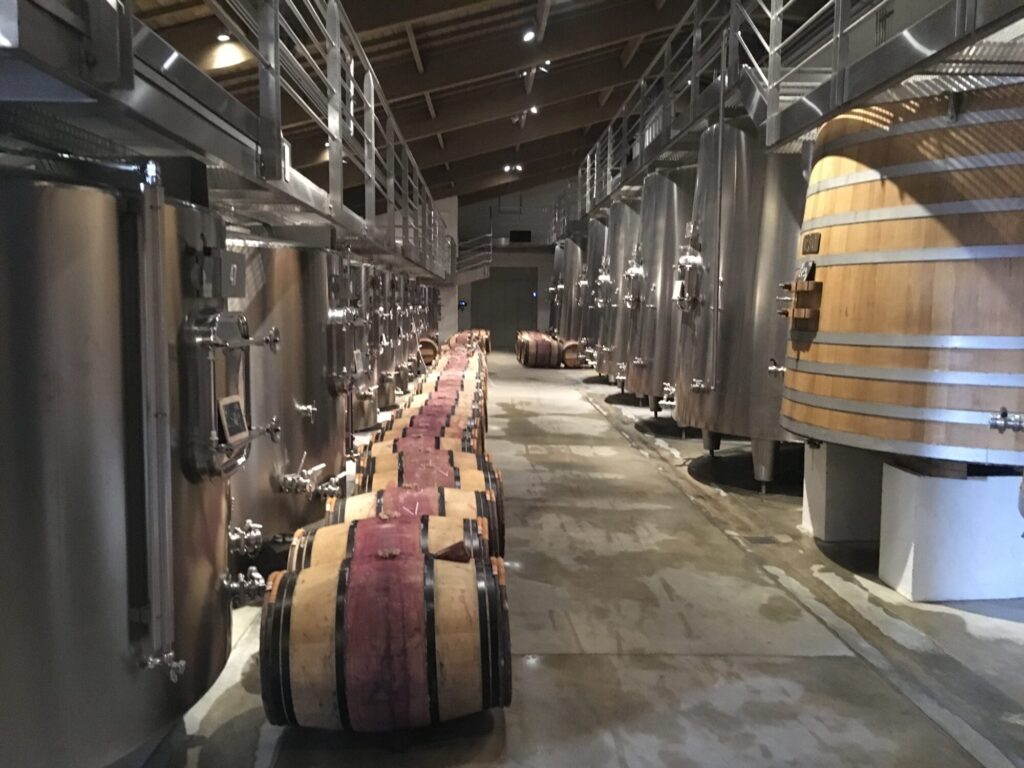
Just two years later, in 1977, Greek entrepreneur Andreas Mentzelopoulos rescued Château Margaux. With the acquisition, the estate entered a new chapter in its history. Mentzelopoulos invested substantial sums to restore both the vineyards and the cellars.
And with success. By elevating the Château Margaux Grand Vin to the highest level, he also revived the château’s Second Wine, Pavillon Rouge du Château Margaux. With the 1978 harvest, Château Margaux staged a significant return to the world of fine wine.
Sadly, Mentzelopoulos did not enjoy this triumph for long.
He passed away at the end of 1980. After his death, his wife Laura and daughter Corinne ran Château Margaux on their own for another ten years. In 1990, however, they sold all their shares to a Luxembourg company largely owned by the Italian Agnelli family (Fiat). Yet the previous management remained intact, and Laura and Corinne Mentzelopoulos continued to serve on the board.
In 2003, Corinne Mentzelopoulos repurchased 75% of the shares, bringing Château Margaux back into family hands. In 2023, Corinne Mentzelopoulos retired, passing the company’s direction and the leadership of the supervisory board to her two children: Alexis Leven Mentzelopoulos and Alexandra Petit Mentzelopoulos.
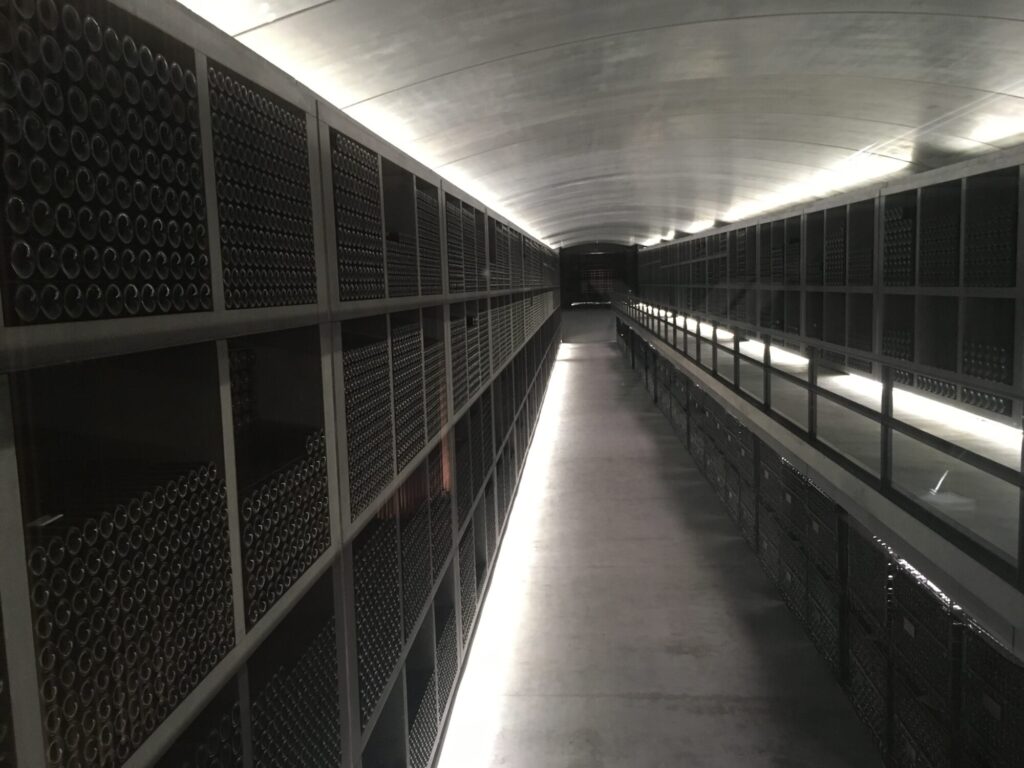
When Andreas Mentzelopoulos bought Château Margaux in 1977, he put 72 million francs on the table. He didn’t acquire only the estate, but also the 1974, 1975, and 1976 vintages stored in the cellar. It is unfortunately unknown how much Laura and Corinne Mentzelopoulos received when they sold the estate in 1990. However, Corinne Mentzelopoulos paid approximately €350 million to repurchase 75% in 2003—an extraordinary rise in value over 26 years, making Château Margaux one of the most expensive properties in France.
In a story that spans centuries, it would be an unjust omission not to dedicate a few lines to a figure who devoted 33 years of his life to Château Margaux: Paul Pontallier, winemaker and CEO from 1983—aged just 27—until his death in 2016.
Under his stewardship, Château Margaux reaffirmed its place among the truly great wineries of the world.

The Vineyard
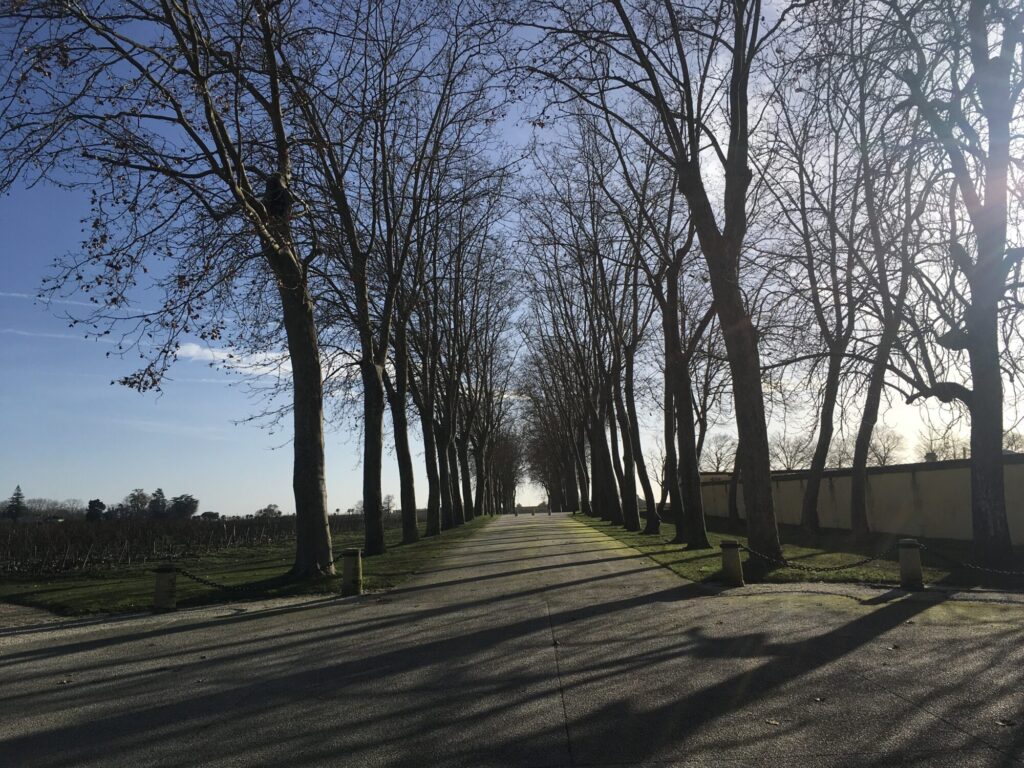
The vines of Château Margaux thrive on one of Bordeaux’s finest terroirs. The soils are particularly deep, formed by a gravel layer—four to eleven meters thick—dating back to the Günz glaciation. Precisely because of this gravel, drainage is exceptional, which in turn compels the vines to root very deeply in search of water.
The estate’s clay-limestone soils yield legendary vintages where power is married to a remarkably refined elegance: a bouquet led by cassis, wild berries, and black cherry—never at the expense of that hallmark, silky structure.
As befits the Left Bank of the Gironde, Cabernet Sauvignon plays the leading role at Château Margaux, followed by Merlot, complemented by smaller plantings of Cabernet Franc and Petit Verdot. Red varieties cover 82 hectares.
The white variety Sauvignon Blanc, on the other hand, spans 11 hectares.
The estate’s expansion to today’s 93 hectares only truly took shape when viticulture at Château Margaux became largely commercialised by the Ginestet family in the 1960s.
The Wine
Even Thomas Jefferson, third President of the United States, was already an ardent admirer of Château Margaux wines in the late 18th century.
In fact, wine merchant William Sokolin intended to sell a bottle of Château Margaux 1787—from Jefferson’s legacy—during an exclusive dinner in New York in 1989 for $500,000. But the bottle broke that night. How it happened remains shrouded in mystery even today. What is certain, however, is that the insurance company intervened and paid $225,000 in compensation—enough for the bottle to become, to this day, one of the most expensive wines in the world.
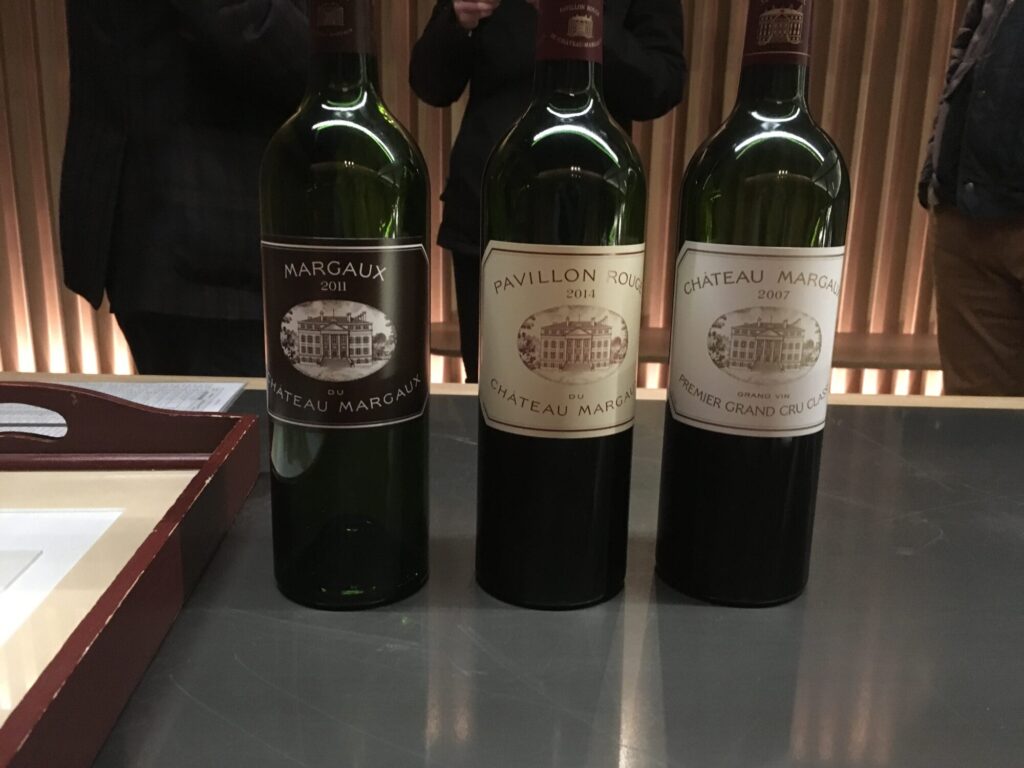
Following the Château Margaux 2015, the estate selected a new, darker label to adorn its bottles from the 2016 vintage onward. The capsules also changed and now appear in a matte brown tone. The typeface chosen is inspired by the one used in 1865. This modernisation of the Grand Vin’s presentation also extends to packaging: six-bottle cases are now made from radiata pine, with the Château Margaux logo on the lid.
Alongside the Grand Vin, the estate produces the Second Wine, Pavillon Rouge. Until 1908, it was called Château Margaux 2ème vin before taking its current name. Production of Pavillon Rouge stopped in the 1930s; it was Andreas Mentzelopoulos who revived it in 1977.
In essence, the winemaking is almost identical to that of the Grand Vin. The only difference is that it uses grapes from younger vines and no new oak barrels. Pavillon Rouge is released earlier than the Grand Vin. The red portfolio is completed by a third label, Margaux, first released in 1997.
Château Margaux also produces a white wine: Pavillon Blanc. This single-varietal Sauvignon Blanc has been made since the 19th century. Due to the estate’s exacting standards, only one third of the harvest—the very best fruit—is used for this wine. This strict selection not only elevated Pavillon Blanc’s quality, but also led the estate to bottle a second white label, beginning with the 2022 vintage: Pavillon Blanc Second Vin, also 100% Sauvignon Blanc.
All with one singular goal: achieving the highest possible quality across the white range as well.
Legendary and Outstanding Vintages
Château Margaux – 1900, 1928, 1953, 1959, 1961, 1979, 1983, 1990, 1996, 2000, 2005, 2009, 2010, 2016, 2018, 2019.
Pavillon Rouge – 1983, 1996, 2000, 2009, 2010, 2016, 2018.
Pavillon Blanc – 1928, 1937, 1986, 1989, 1990, 2006, 2011, 2018.