
There is hardly a rule less reliable than the one claiming that a cheese platter paired with red wine is a guaranteed success. On the contrary, two things are almost always true:
first, there is no single red wine capable of handling many different cheeses, and second, the majority of cheeses actually prefer white wines.
If you’re sceptical, try this simple test: pair Parmigiano Reggiano with the red wine you think will work — and then with the wine we suggest below. You’ll be surprised.
Below are pairings that actually respect the nature of cheese.

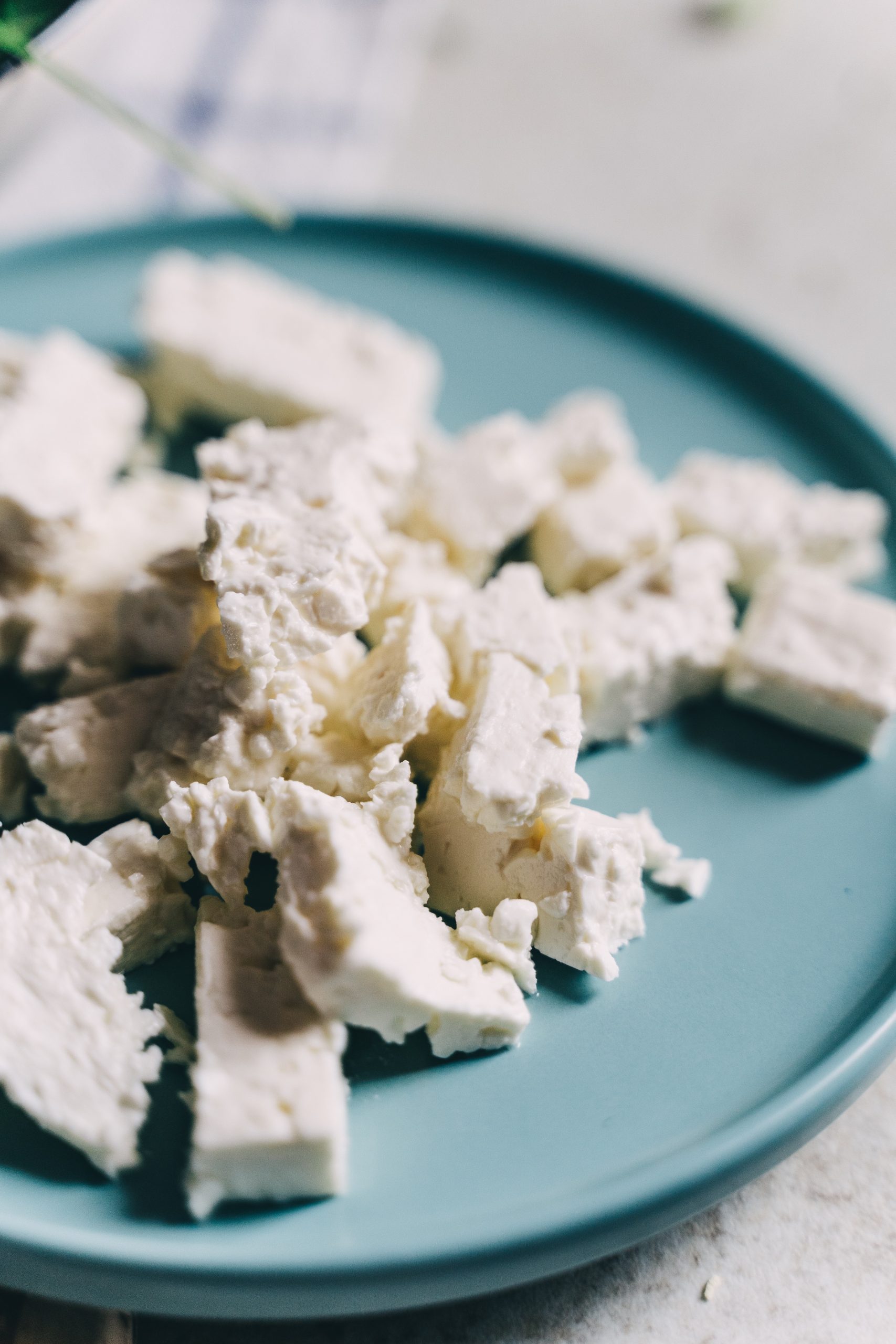
Fresh Goat’s Milk Cheeses
Opt for an aromatic white with bright acidity, such as a Loire Valley Sauvignon Blanc or a New Zealand Sauvignon Blanc.
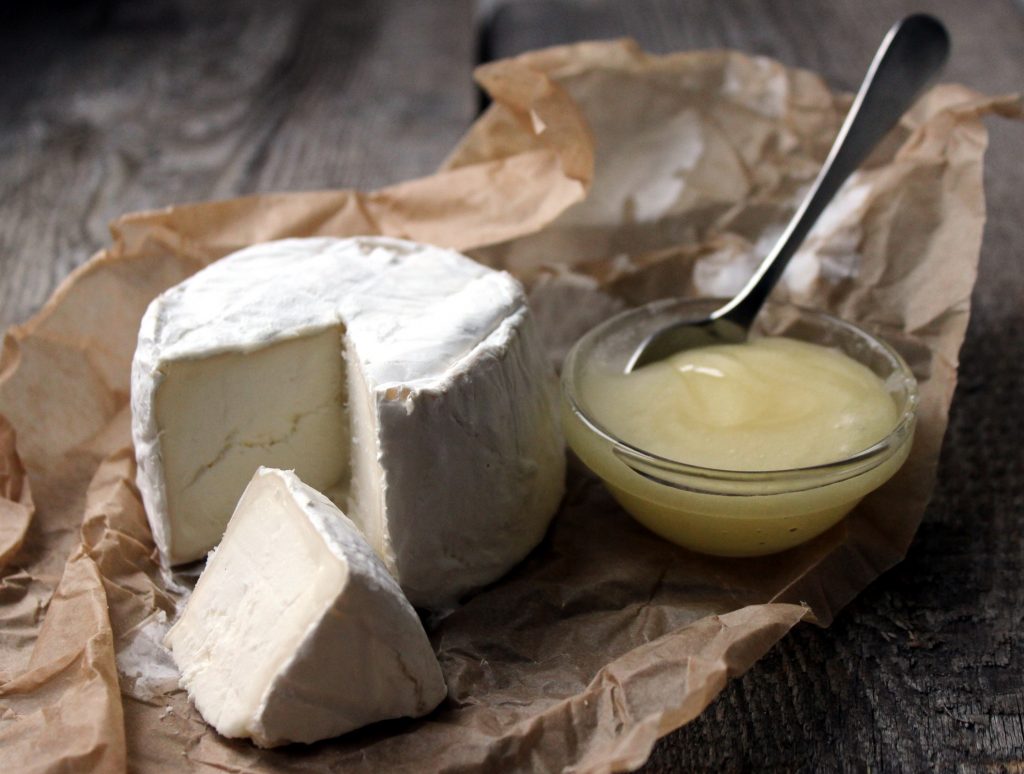
Soft White Cheeses
(e.g. Brie)
A light, very dry red such as a Burgundy, or a dry Sauvignon Blanc.
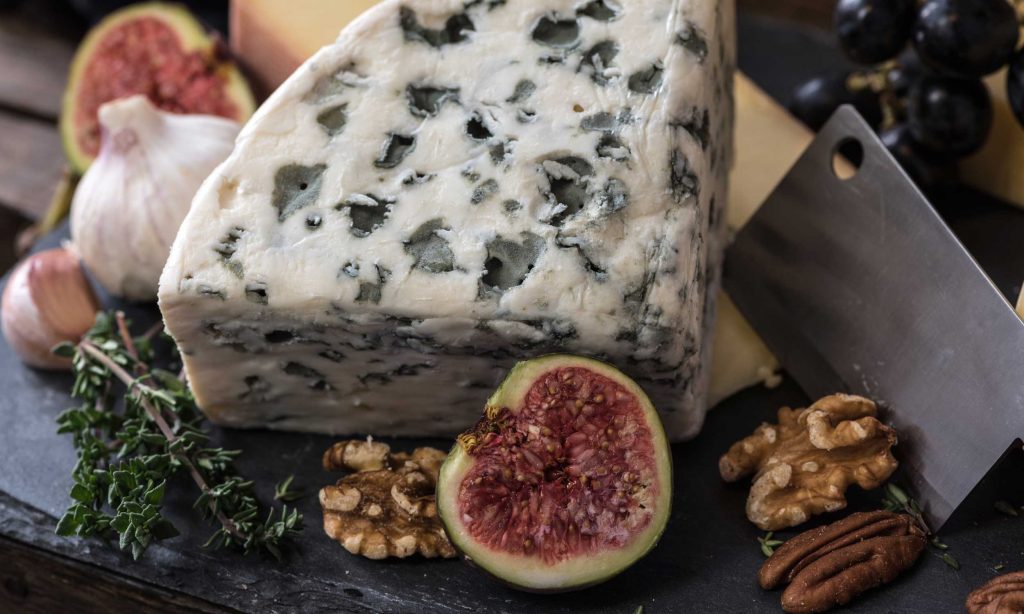
Blue Cheeses
(Roquefort, Stilton, Danish Blue)
Counterbalance their fatty, salty intensity with a powerful sweet wine, such as Santorini Vinsanto, Sauternes, or a young Vintage Port.
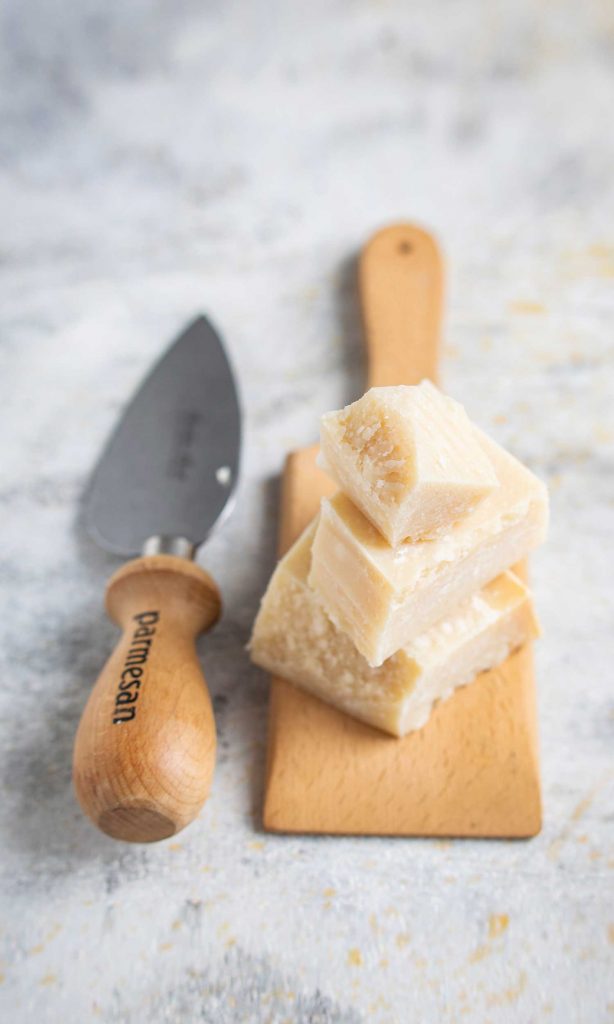
Parmigiano Reggiano
For heaven’s sake — not your good red wine.
Choose an extra-brut Champagne instead.
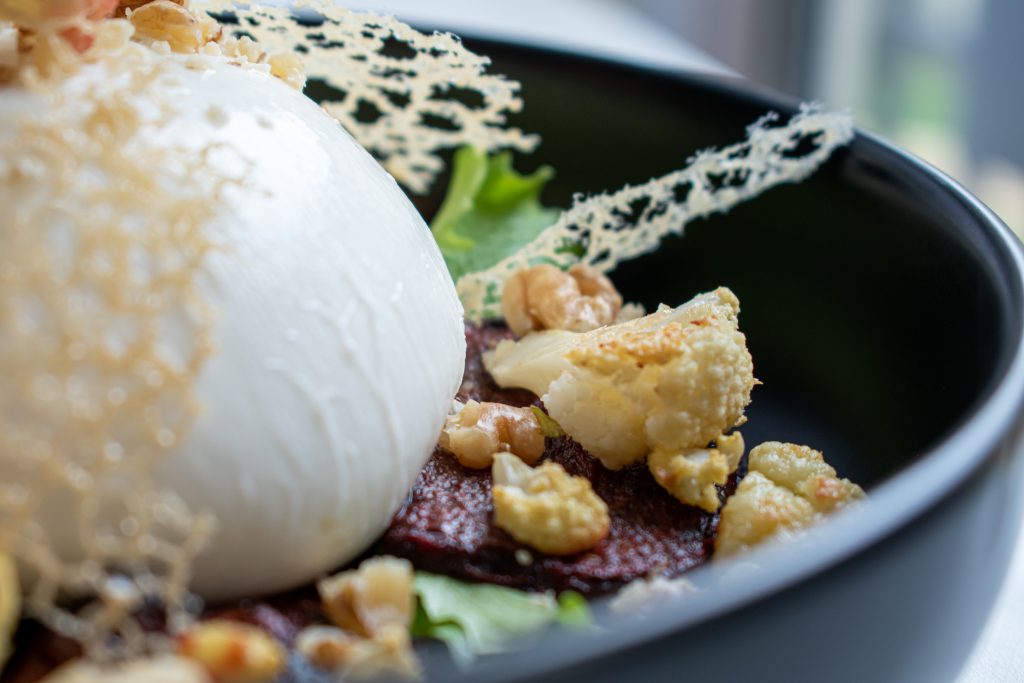
Fresh Creamy Cheeses
(e.g. Mozzarella)
Light, dry whites such as Soave or Muscadet from the Loire Valley.
Hard & Semi-Hard Cheeses
(e.g. Graviera)
A rich, oak-aged white (such as Chardonnay) or a medium-bodied red like a Nemea.
Aged Hard Cheeses (excluding Parmesan)
(e.g. aged Gouda, aged Cheddar)
Now you may open that serious red Bordeaux — or any other structured, age-worthy red wine you’ve been saving.
Cheese is demanding, opinionated, and unapologetically selective. Treat it with the same respect you would a great wine — and it will reward you generously.