
By Eleftheria Davatzi
Amid melomakarona, kourabiedes and steaming mulled wine, nuts hold a place of their own on the festive table—bringing together tradition, nutritional value and authentic flavour. What is often overlooked, however, is that the consumption of nuts during the Christmas season is also a custom deeply rooted in the past.
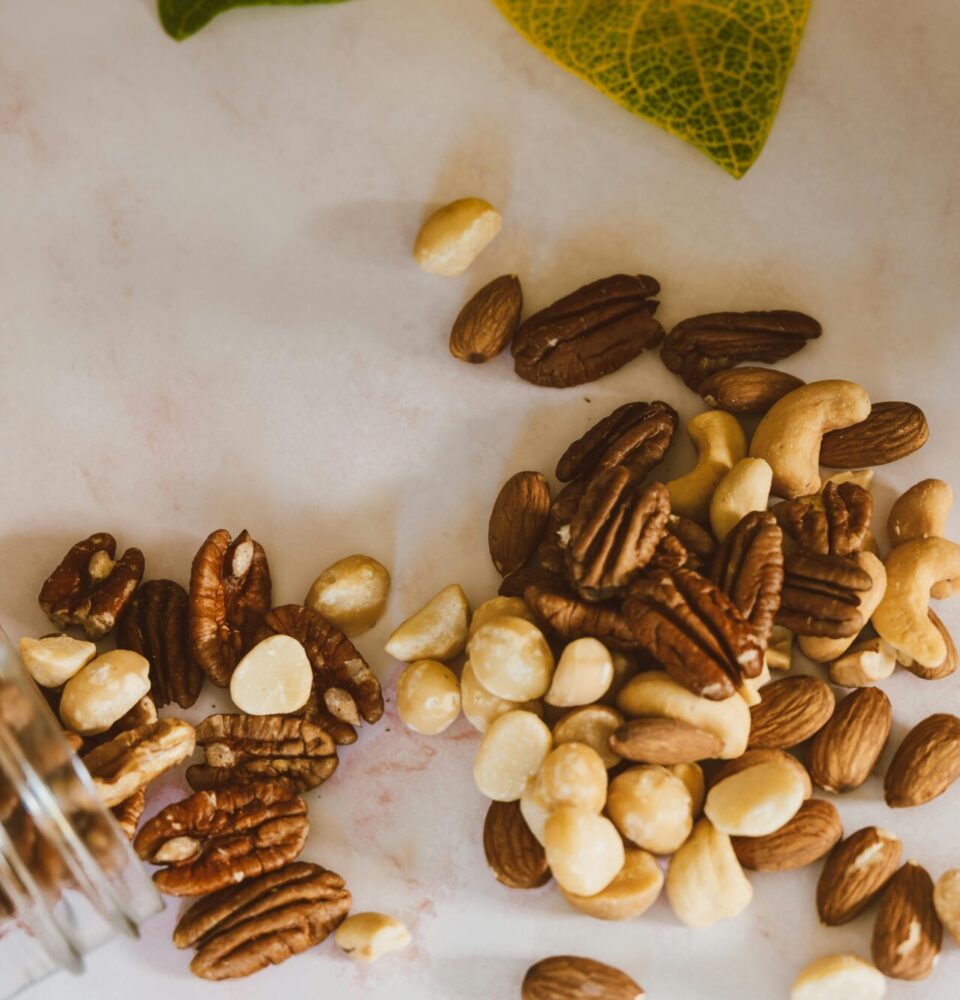
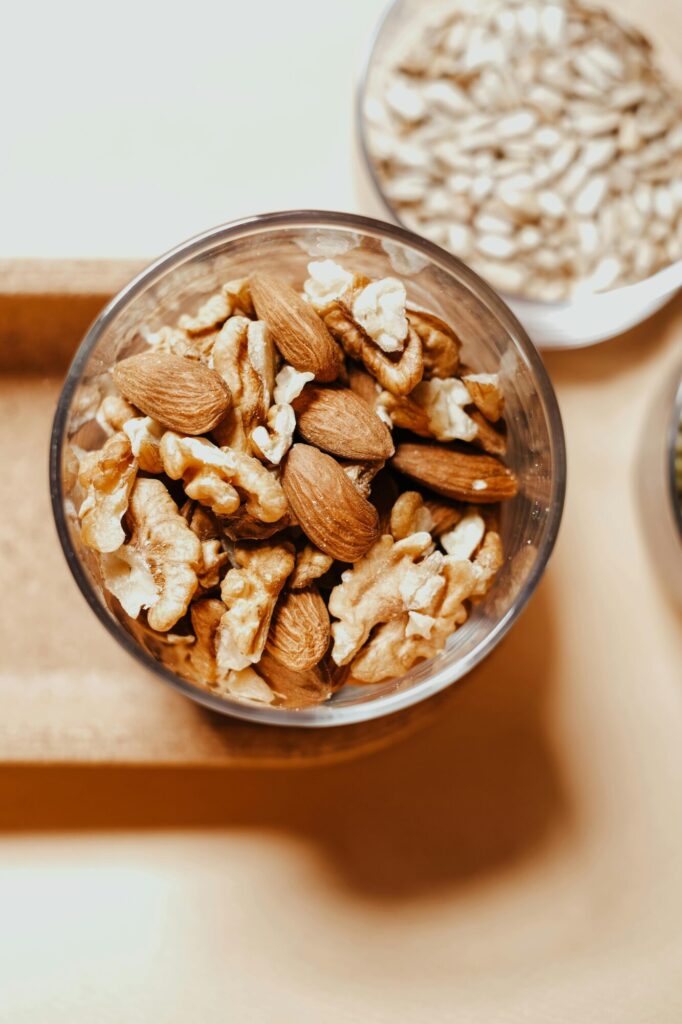
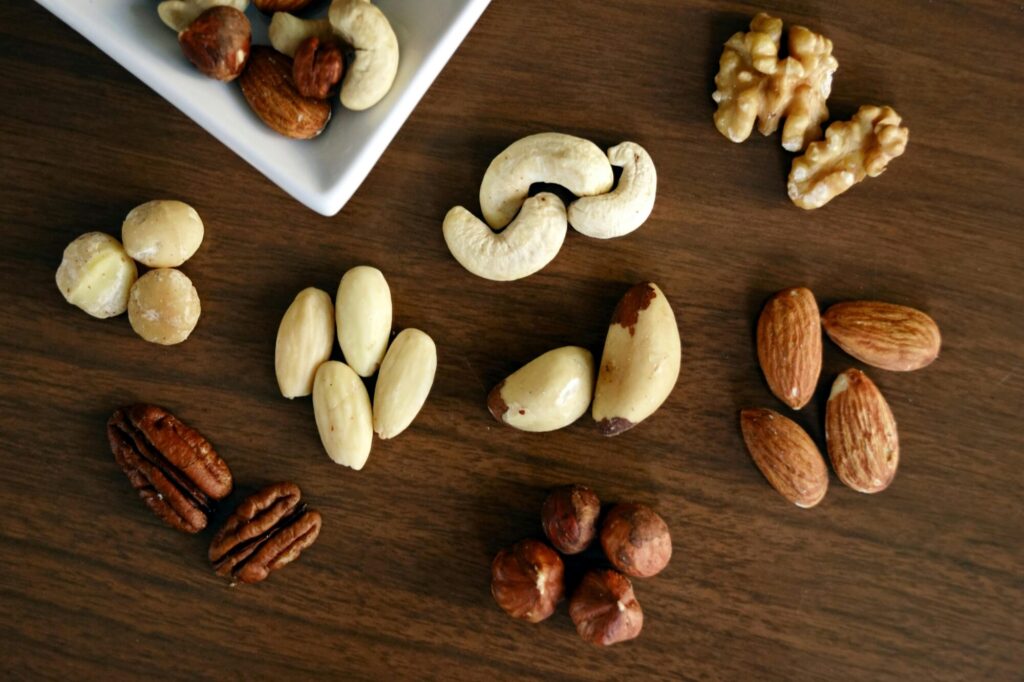
In Greek tradition, walnuts, almonds, hazelnuts and chestnuts have long been symbols of abundance and hospitality. During the holidays, families would place bowls of nuts on the table or beside the fireplace, offering them to guests as a gesture of welcome and a wish for prosperity in the coming year.

Nuts Beyond Snacking
Nuts are not merely enjoyed as snacks; they are also essential ingredients in many Christmas sweets and dishes:
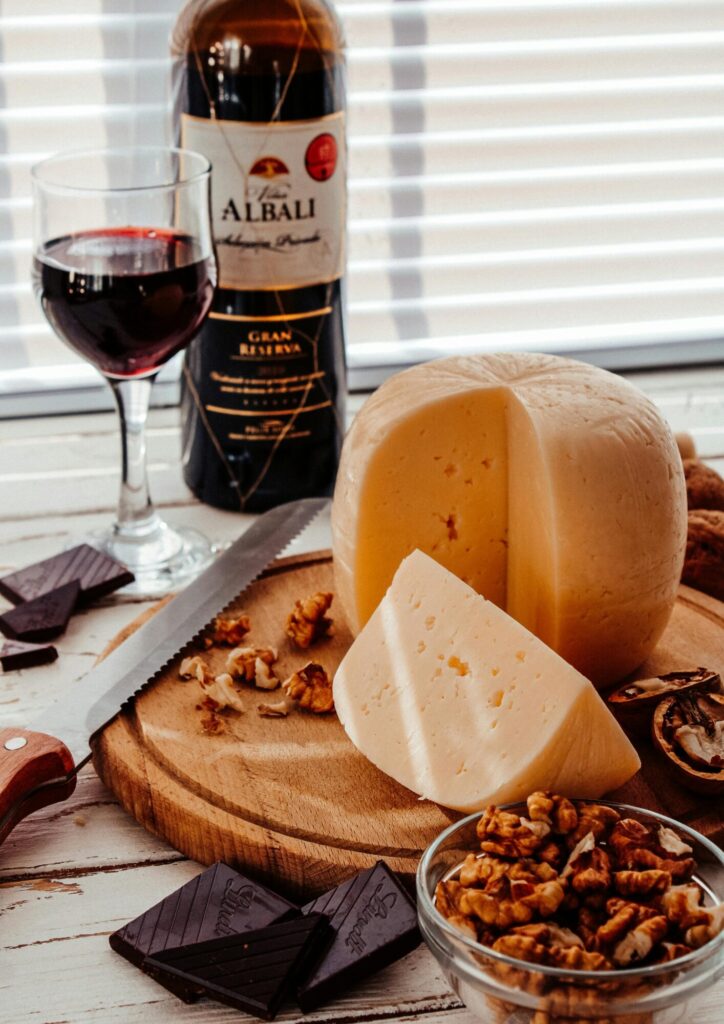
- Walnuts in melomakarona, lending crunch, depth and aroma.
- Almonds in kourabiedes, a symbol of purity and festive elegance.
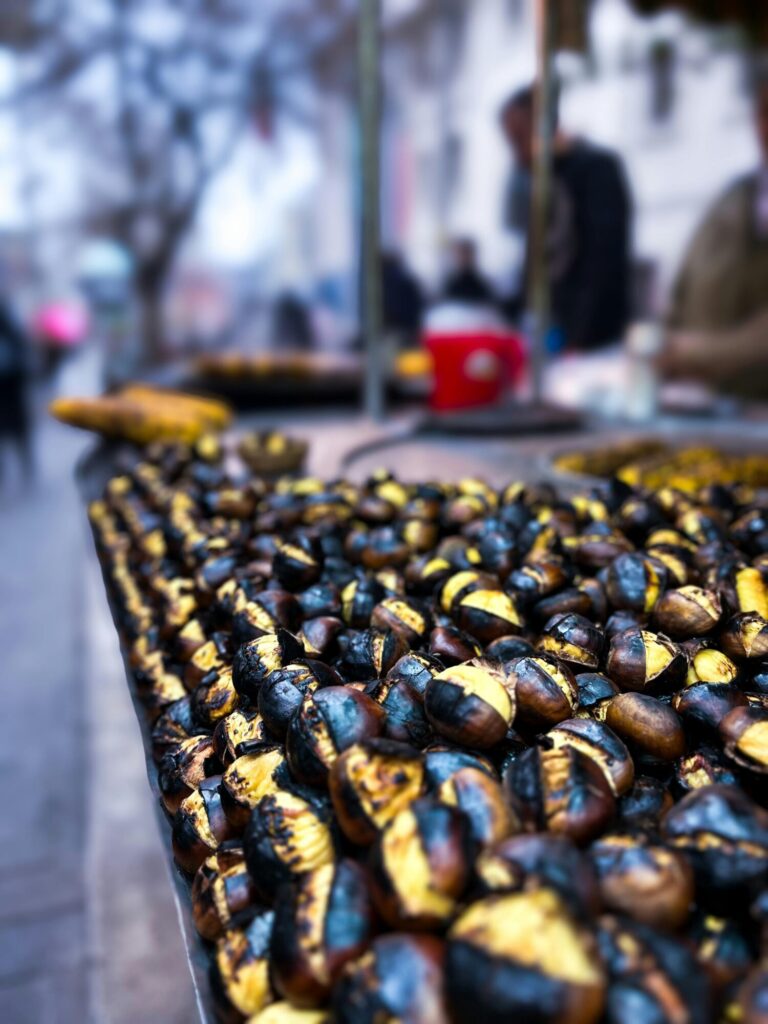
- Roasted or boiled chestnuts, evoking winter strolls and intimate family moments.
Nutritional Value, Well-being and Symbolism
Beyond their taste, nuts are rich in healthy fats, protein, vitamins and trace elements. During the holidays—when sweets take centre stage—they offer a more balanced option, supporting energy levels and overall well-being.
Walnuts: The Fruit of Wisdom and Abundance
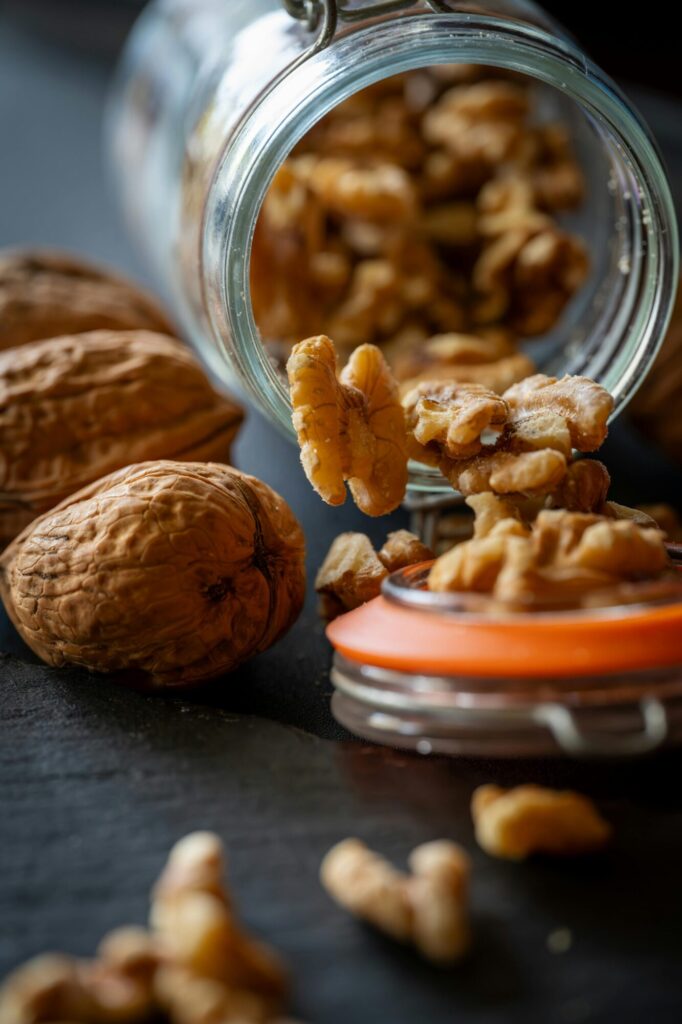
At Christmas, walnuts symbolise abundance, knowledge and good fortune. Cracking their hard shell alludes to the strength and perseverance required to reach life’s “inner fruit.” Traditionally, they were indispensable on the festive table.
Walnuts are exceptionally rich in omega-3 fatty acids, supporting heart and brain health. They also contain vitamin E, magnesium, phosphorus and powerful antioxidants. Their resemblance to the human brain has long linked them symbolically to mental clarity and intelligence.
Almonds: Purity, Protection and Renewal
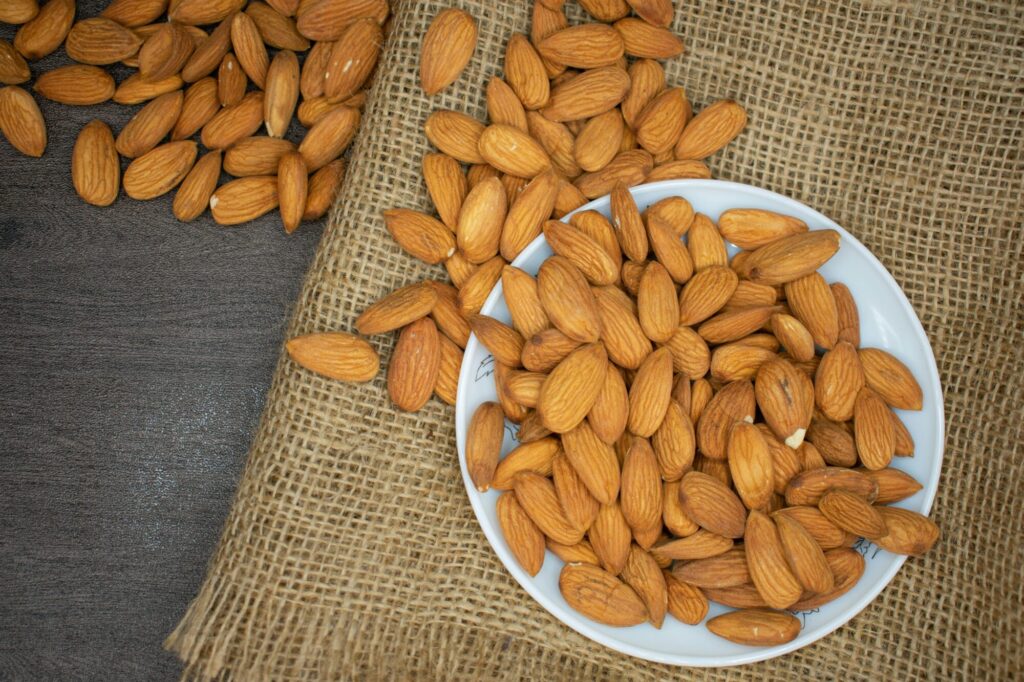
Almonds are associated with purity and new beginnings—concepts perfectly aligned with the Nativity. In kourabiedes, they represent joy, sweetness and blessings for the household in the new year.
Nutritionally, almonds are an excellent source of plant-based protein, calcium, vitamin E and healthy fats. They contribute to bone strength, skin health and immune system support.
Hazelnuts: Prosperity and Good Fortune
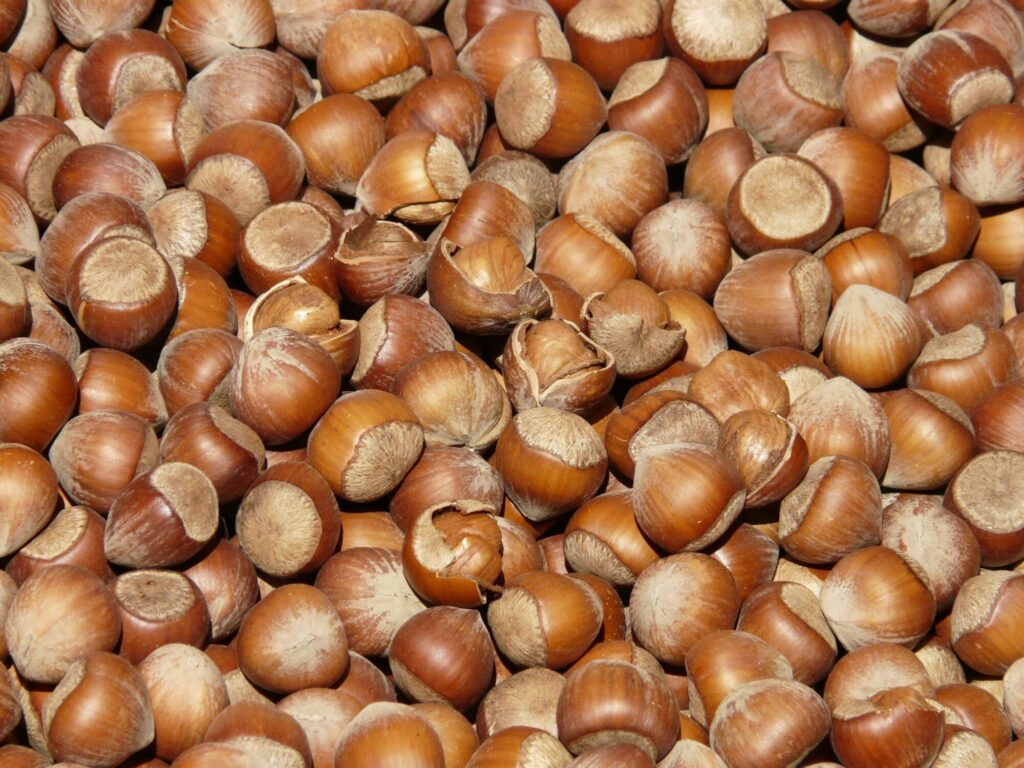
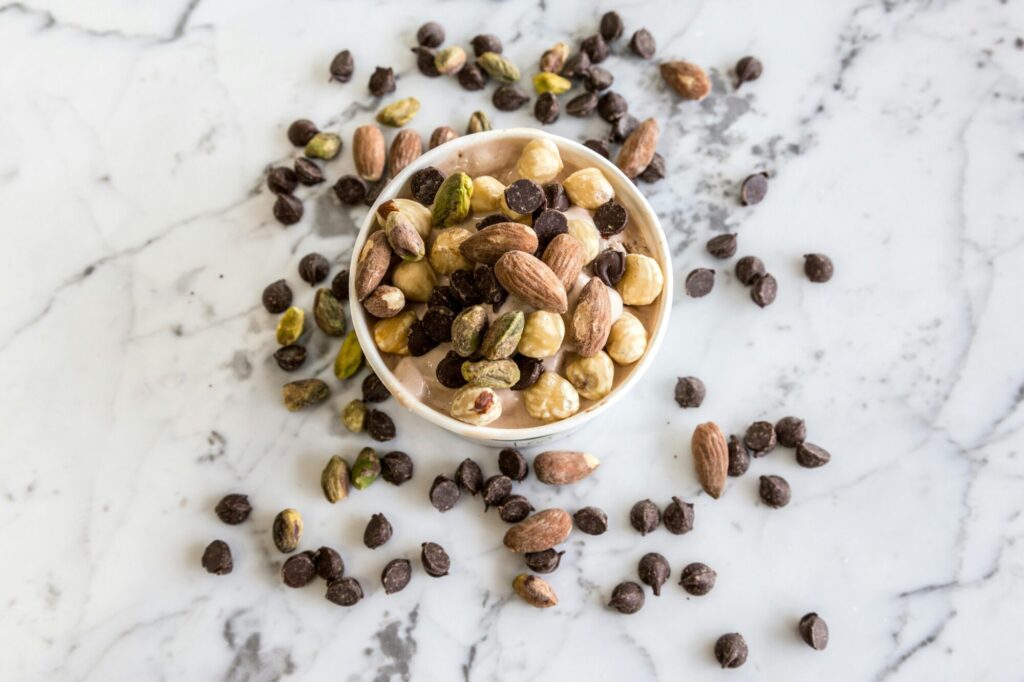
In folk tradition, hazelnuts are considered symbols of luck and financial prosperity. Their round shape evokes completeness and fulfilment—qualities we wish for as the new year approaches.
They are rich in monounsaturated fats, B-complex vitamins, copper and manganese, offering sustained energy and supporting proper nervous system function.
Chestnuts: Warmth, Humility and Family Comfort
Chestnuts are inseparable from fire, the hearth and the family home. They symbolise simplicity, warmth and care—values at the very heart of Christmas.
Unlike other nuts, chestnuts are low in fat and high in carbohydrates, dietary fibre, vitamin C and potassium, making them an ideal winter energy source.
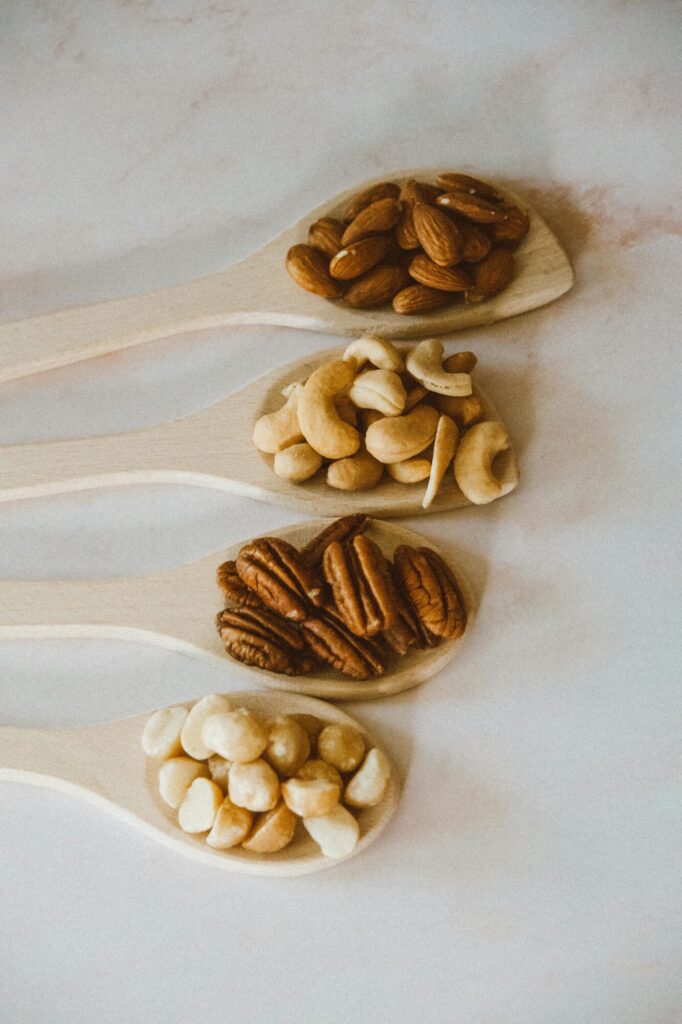
Pistachios & Other Nuts: Joy and Variety
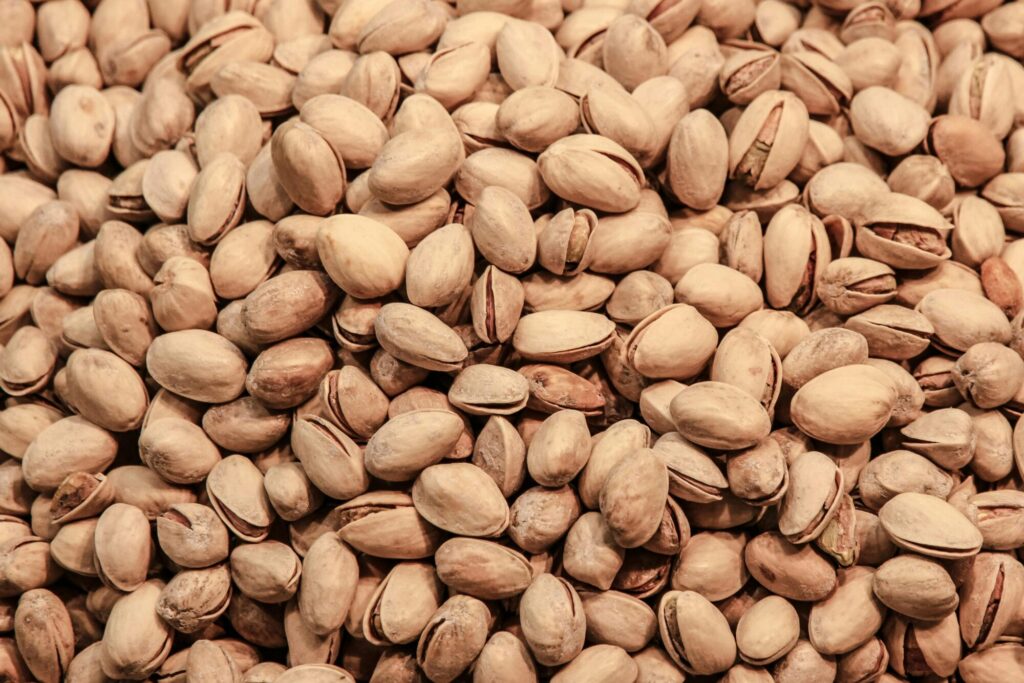
Since antiquity, pistachios have been regarded as fruits of luxury and prosperity. At Christmas, their presence on the festive table symbolises financial stability, abundance and well-being for the year ahead. It is no coincidence that they are often offered as gifts of hospitality.
They are rich in healthy fats, plant protein and fibre, providing energy and satiety. Pistachios contain notable amounts of vitamin B6, vitamin E and folate, along with essential minerals such as potassium, magnesium and phosphorus. Their powerful antioxidants support cellular protection and eye health, while moderate consumption contributes to cardiovascular health, nervous system balance and overall wellness.
A Living Tradition
Christmas nuts are far more than a festive indulgence. They are vessels of tradition, health and symbolism—bridging past and present. The cracking of walnuts, the aroma of roasting chestnuts and bowls filled with nuts around the table bring young and old together.
Each nut tells a story of prosperity, love and hope—exactly what the season itself stands for.