
When it comes to desserts, colour is your compass.
Light-coloured desserts call for white sweet wines, while chocolate-based creations demand red or fortified wines. One rule, however, is absolute: the wine must always be sweeter than the dessert.
Which is precisely why — never, ever — wedding cake with Champagne. Ever.
Below, pairings that respect sugar, texture, and balance.

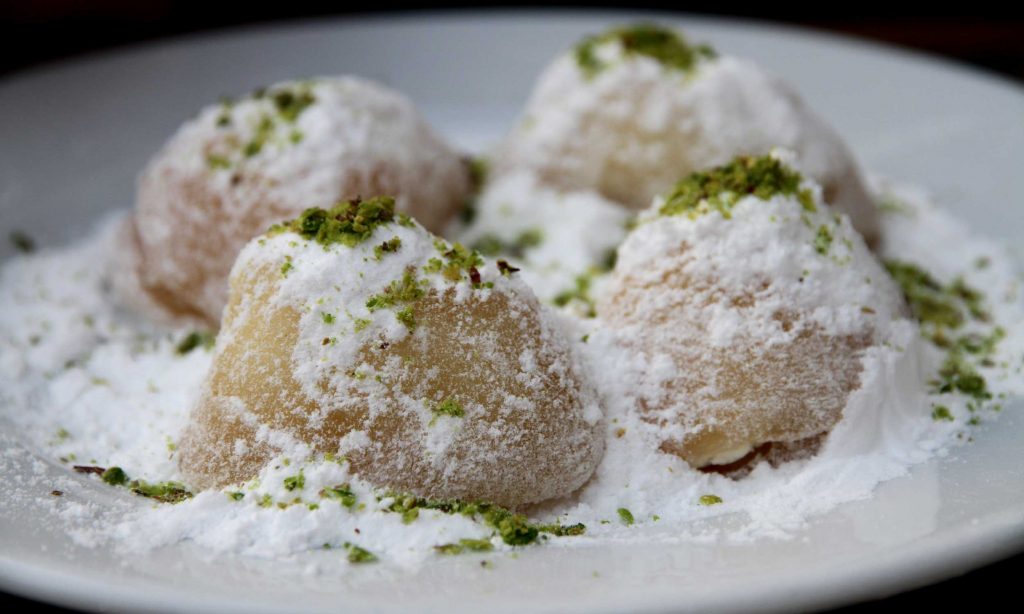
Spoon Sweets
Their intense sweetness leaves little room for wine.
Instead, opt for a strong, straight espresso.
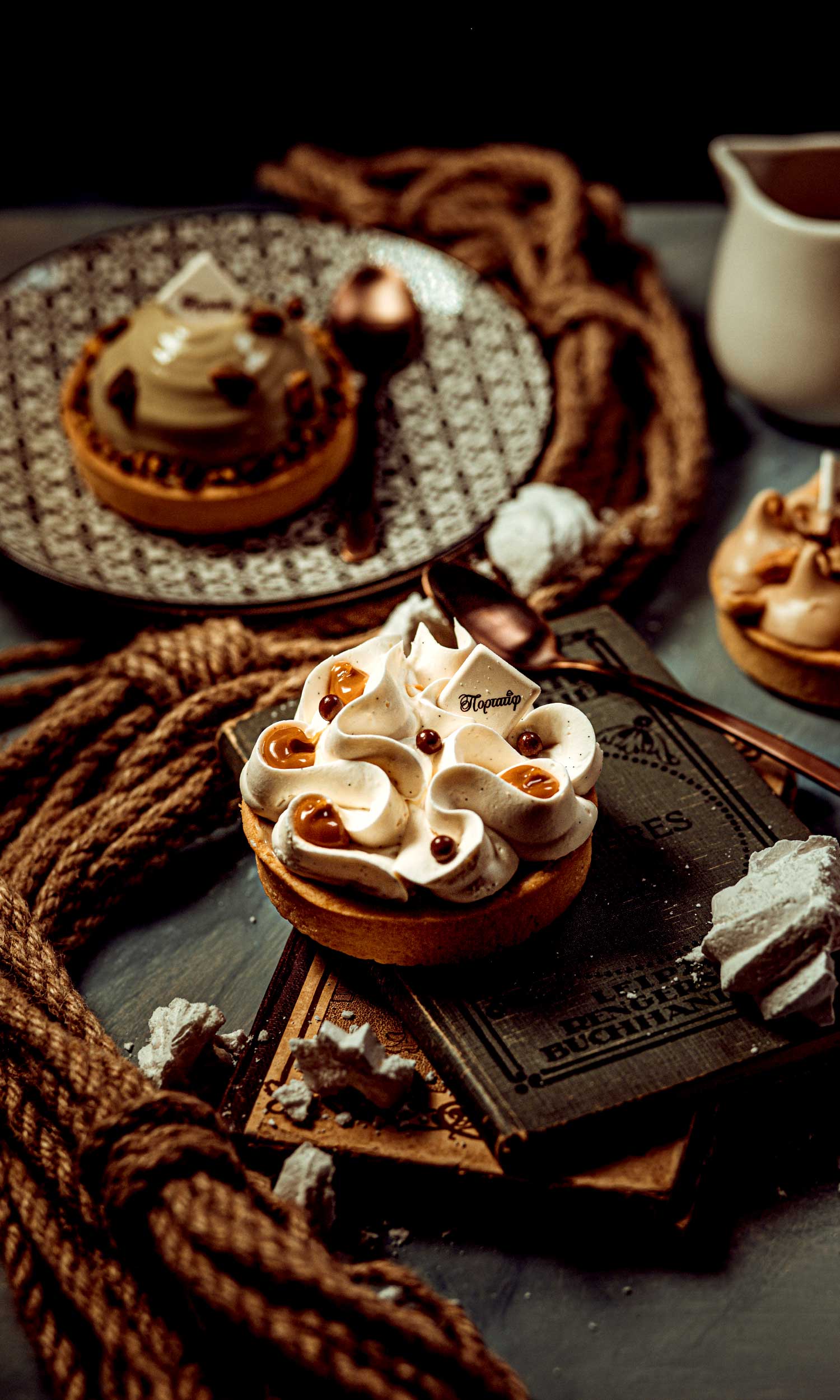
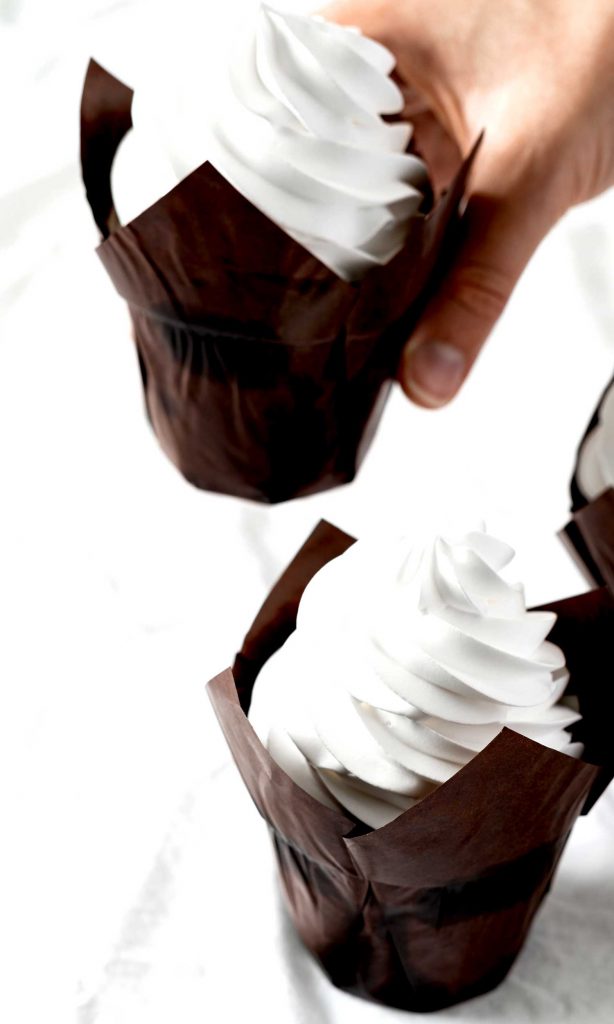
Desserts with White Creams
Sauternes, Samos Nectar, or Muscat of Rio Patras — each pairing leaves its own signature, enhancing either richness or finesse.
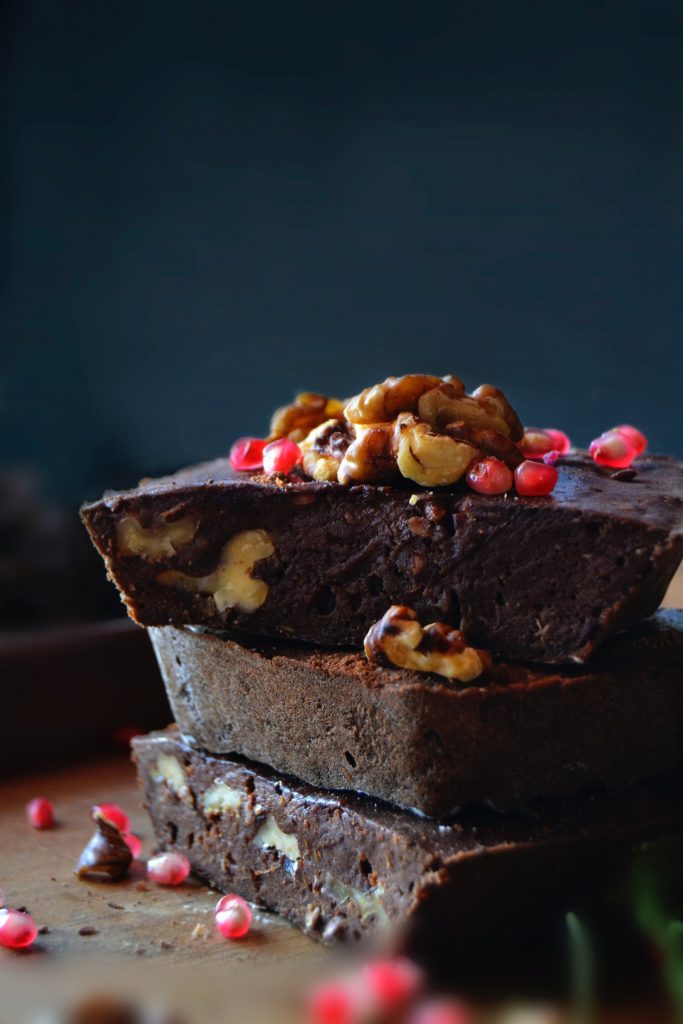
Desserts with Pronounced Nut Character
Counterbalance with Santorini Vinsanto, a sweet Oloroso Sherry, or a Tawny Port.
Cakes
They favour the nutty complexity of a 10- or 20-year-old Tawny Port.
If chocolate-based, choose an aged Mavrodaphne or a quality Brandy.
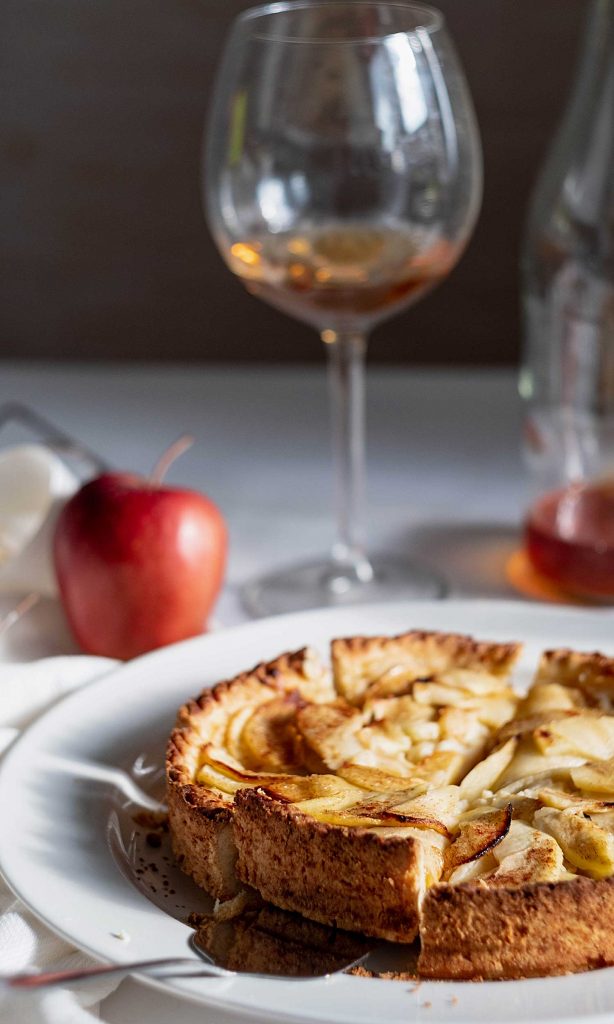
Apple Pie
Its ideal companions are noble sweet wines such as Germany Riesling Auslese or Beerenauslese, Tokaj Tokaji Aszú, or aged Sauternes.
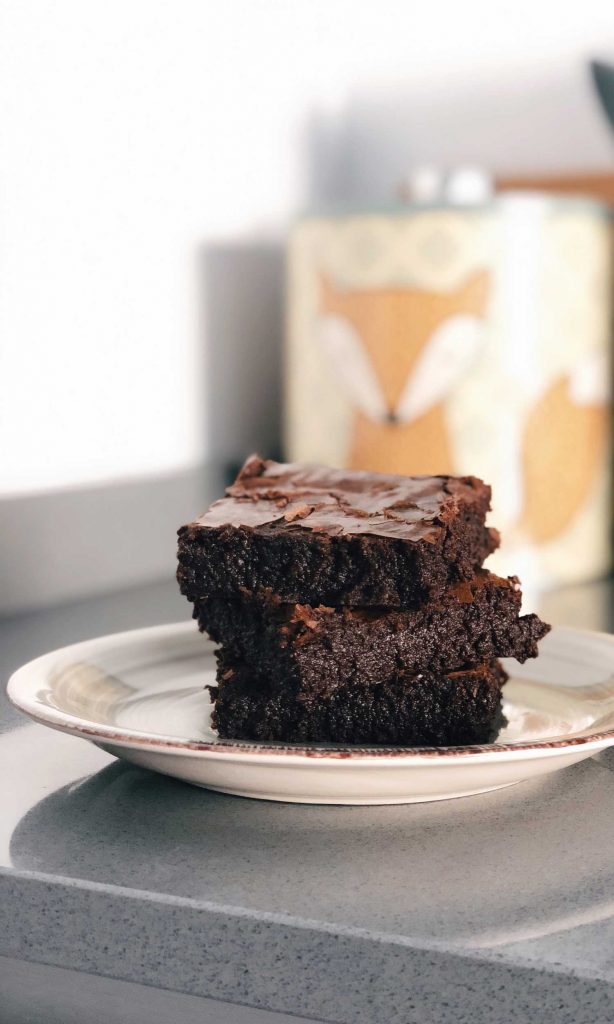
Chocolate Desserts
(e.g. chocolate mousse)
A fine Ruby or Vintage Port, or southern French Banyuls, are among the few solutions to a pairing more difficult than it seems.
Personally, though, I prefer a good Cognac or Rum.
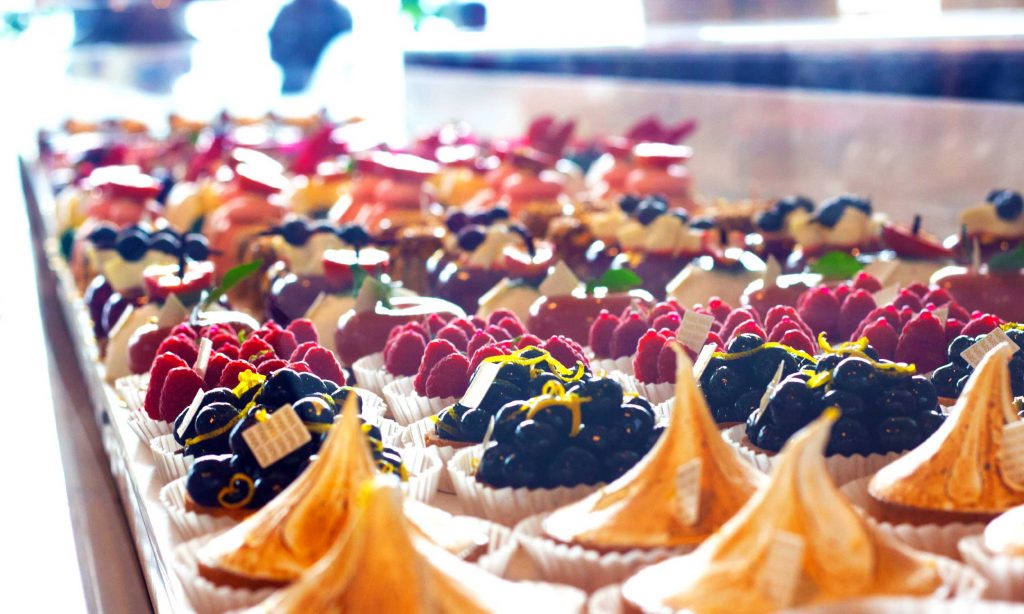
Fruit Tarts
A sweet wine with high acidity is essential.
Choose between a young Sauternes or Vouvray.
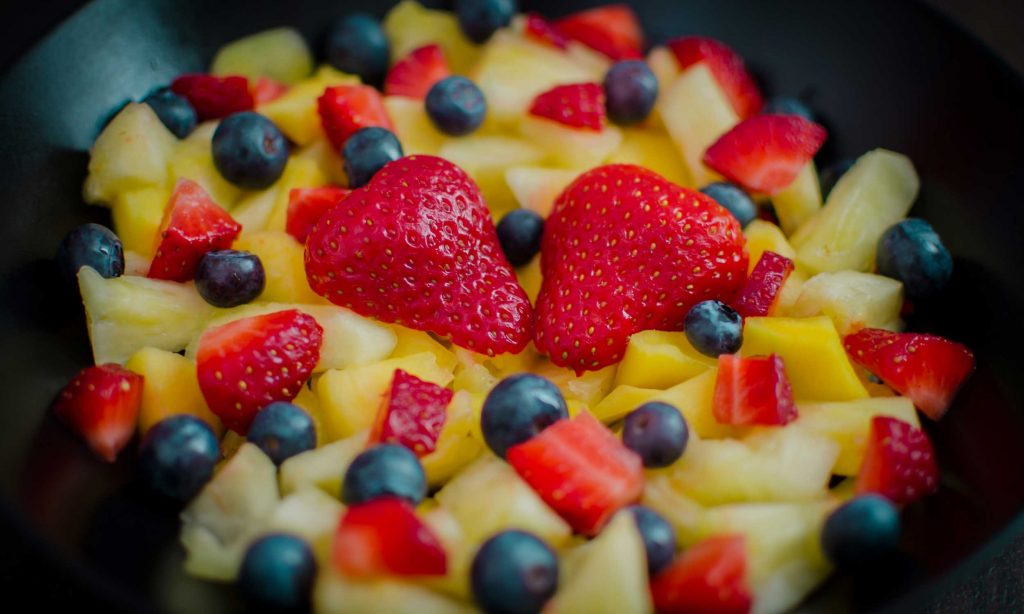
Fruit Salads
Light, unoaked Muscat wines such as those from Lemnos or Rhodes.
Even better: Moscato d’Asti.
Dessert pairings are unforgiving — sugar amplifies imbalance and exposes mistakes instantly. Get it right, though, and the final act becomes unforgettable.