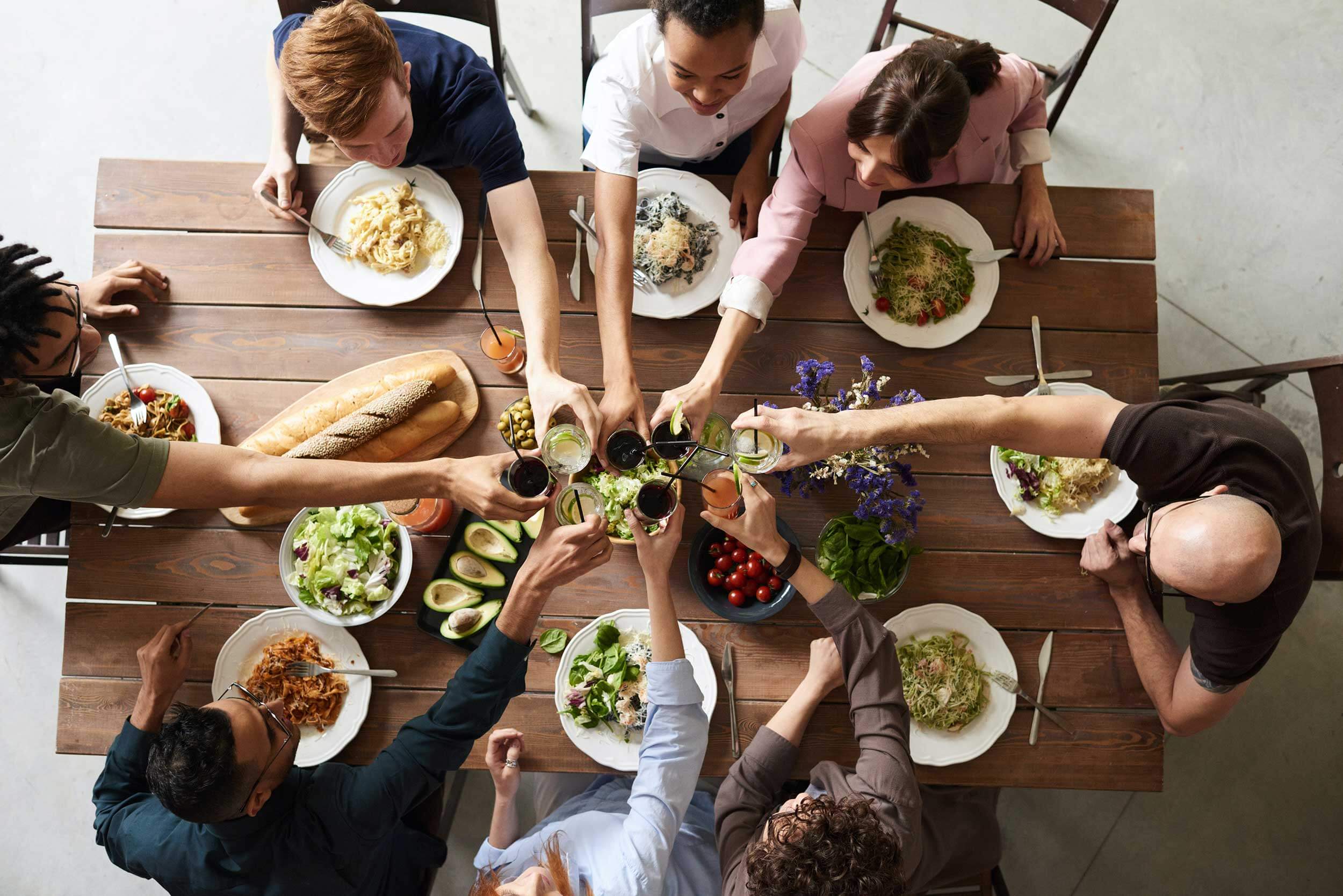

The term “Gastrodiplomacy” first gained international recognition around the year 2000. When we speak about gastronomy in general, we refer to the food and drink of a region or a group of people. Wine, therefore, is an inseparable part of gastronomy and, by extension, of gastrodiplomacy.
If we wished to speak more specifically about the diplomatic role of wine, we could also use the term Wine Diplomacy. On an international level, however, the broader term gastrodiplomacy has prevailed, as it encompasses both food and drink.
But what exactly is gastrodiplomacy? And although the term has officially entered public discourse only in recent decades, is it truly something new—or something that has existed all along?

What Is Diplomacy?
Let us begin with diplomacy itself.
“Diplomacy is the art of formal communication and negotiation between representatives of groups or states, aiming to promote issues of mutual interest and achieve outcomes that satisfy the parties involved.”
Most often, we refer to international diplomacy, meaning the conduct of international relations through professional diplomats on matters concerning peace, trade, economy, culture, the environment and human rights. Diplomacy, therefore, is a formal political process between states—one that has existed since antiquity.
It is important to note that, even in ancient times, food and drink always played a prominent role in diplomatic gatherings.
The Essence of Gastrodiplomacy
Gastrodiplomacy seeks to create positive international relationships through the authentic food and drink of a place. It aims to express a nation’s uniqueness—its cultural identity, history and values—through its culinary traditions.
Food and drink reflect the philosophy, culture and history of a region and its people. Recipes, flavours, cooking techniques and local products tell stories about local character, historical influences, social customs and traditions.
Moreover, a region’s cuisine often reveals interactions with other cultures, as well as elements related to religion or belief systems. All these aspects can be communicated through gastrodiplomacy, helping countries build international goodwill, promote trade agreements and attract tourism.
In short, gastrodiplomacy is a method through which a place can enhance its visibility, popularity and global outreach.
From Concept to Strategy
Gastrodiplomacy emerged as a dynamic tool for promoting local gastronomy and, consequently, local culture. As a term, it was first introduced by Paul Rockower and Sam Chapple-Sokol in the early 2000s.
Since then, many countries—such as the United States, Peru and Thailand—have established official government programmes to support gastrodiplomacy.
Chapple-Sokol described gastrodiplomacy as “the use of food and cuisine as a tool to create cross-cultural understanding, with the hope of improving interaction and cooperation.”
On a global scale, numerous states systematically apply gastrodiplomatic strategies not only to strengthen international relations but also to boost inbound tourism.
International Case Studies
Thailand
Thailand launched a government-led gastrodiplomacy programme in 2001. Initiatives such as “Kitchen to the World” and “The Food Basket of Asia” became internationally recognised and achieved outstanding results.
Denmark / Norway / Sweden
The Nordic Food Movement, launched in 2004, aimed to promote local products, traditional dishes and contemporary culinary techniques across Scandinavia. Its goals included positioning the region as a gastronomic destination, preserving culinary heritage and strengthening economic growth through tourism and trade. In 2011, the programme evolved into Nordic Food Diplomacy.
Australia
In 2014, Australia’s Ministry of Tourism invested 10 million dollars in the global campaign “There’s Nothing Like Australia”, which included a gastrodiplomacy programme titled “Restaurant Australia”, targeting 12 international markets.
Why Gastrodiplomacy Works
The success of gastrodiplomacy lies in the immense emotional power of food and drink. Flavours evoke deep, long-lasting emotions. Each of us, for example, believes that our mother’s cooking is exceptional—and whenever we encounter flavours that remind us of it, we feel comforted, safe and emotionally uplifted.
This emotional resonance, combined with the creation of lasting sensory memories from what we eat or drink, is the true secret behind gastrodiplomacy.
Beyond Governments: Private Gastrodiplomacy
Although gastrodiplomacy initially emerged as a state-driven initiative, in recent years it has increasingly been adopted by private-sector professionals.
This is nothing new. A company seeking to close a major commercial deal often hosts a dinner for potential partners. Over food and drink, people connect more easily, communicate more openly and are more inclined to collaborate.
Tourism and hospitality businesses are, by nature, potential gastrodiplomats. They interact daily with international audiences and possess deep knowledge of food, drink and hospitality.
Gastrodiplomacy can also be applied by any private business wishing to increase visibility and attract new clients through experiential, emotion-driven strategies.
The Future of Gastrodiplomacy
Gastrodiplomacy has vast potential. When applied correctly, it enhances outward orientation and enables successful entry into new markets.
In the coming years, this expanded role of gastrodiplomacy—both theoretical and practical—will increasingly shape global business and tourism strategies. The emotional power of taste, when guided by gastrodiplomatic principles, can become a powerful sales and branding tool.
Gastrodiplomacy will stand at the centre of future commercial practices and play a crucial role in the promotion of businesses, destinations and cultures.
Let us therefore approach gastrodiplomacy through the lens of its evolving role—so we may fully harness its extraordinary potential.
About Maria Athanasopoulou
Maria Athanasopoulou is the founder of the tourism marketing company Respond On Demand, which for over twelve years has organised professional B2B meetings between Greek tourism entrepreneurs and international travel agents, aiming to strengthen inbound tourism to Greece.
She is also co-founder of the non-profit organisation Top Tourism, Chairwoman and Certified Ambassador of the World Food Travel Association for Greece and Cyprus, a Sustainable Tourism Expert, and Ambassador of the World Gourmet Society and Green Destinations.
She has delivered numerous seminars, lectures and international presentations on tourism, sustainability and gastronomic tourism in Greece and abroad.