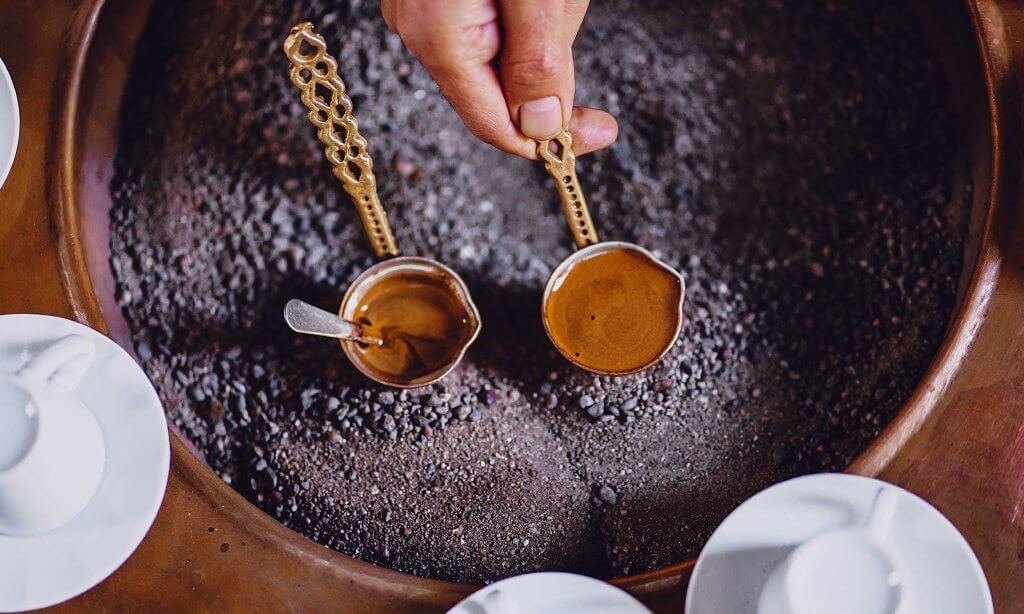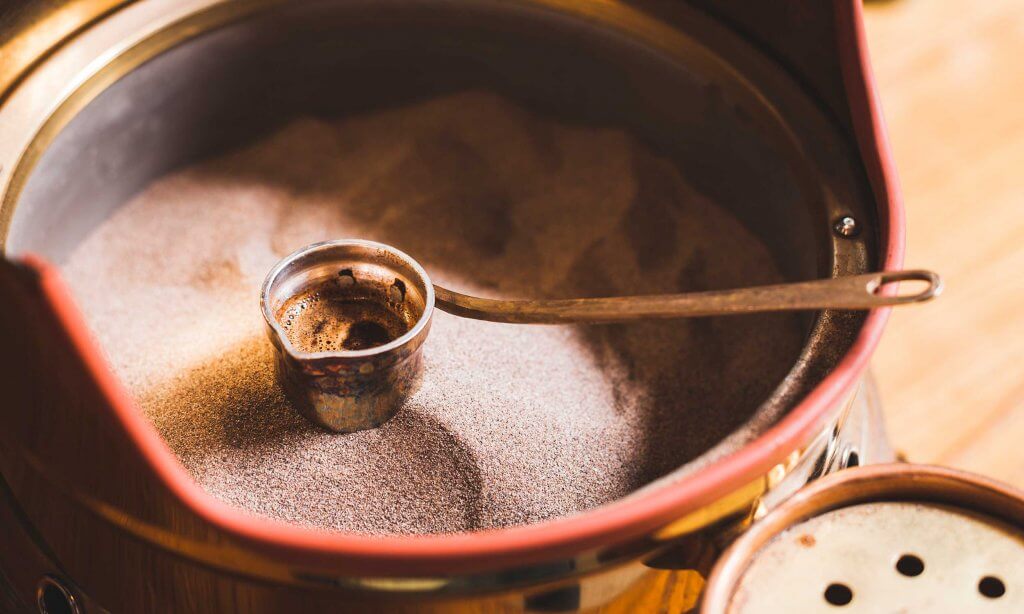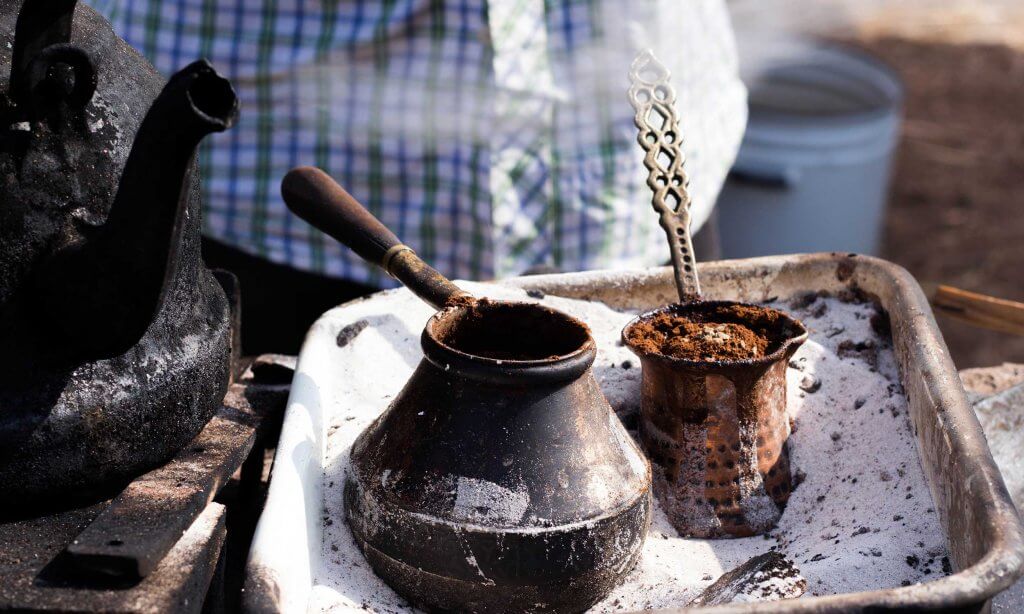

Greek coffee may feel like a ritual deeply inscribed in our collective DNA—but the truth is, it isn’t quite so ancient.
Its story begins during the years of Ottoman rule, when Greeks were first introduced to the beverage of their occupiers and gradually began to embrace it as their own.
It was the inhabitants of Constantinople who encountered it first, followed by northern Greece, and eventually the custom spread to the south.
Long before today’s coffee shops, coffee was sourced from local grocery stores, often sold raw and unprocessed. What mattered then was access. What matters now is quality.
Today, the focus has shifted: the freshness of the coffee, the quality of the grind, and—most importantly—the correct method of preparation.
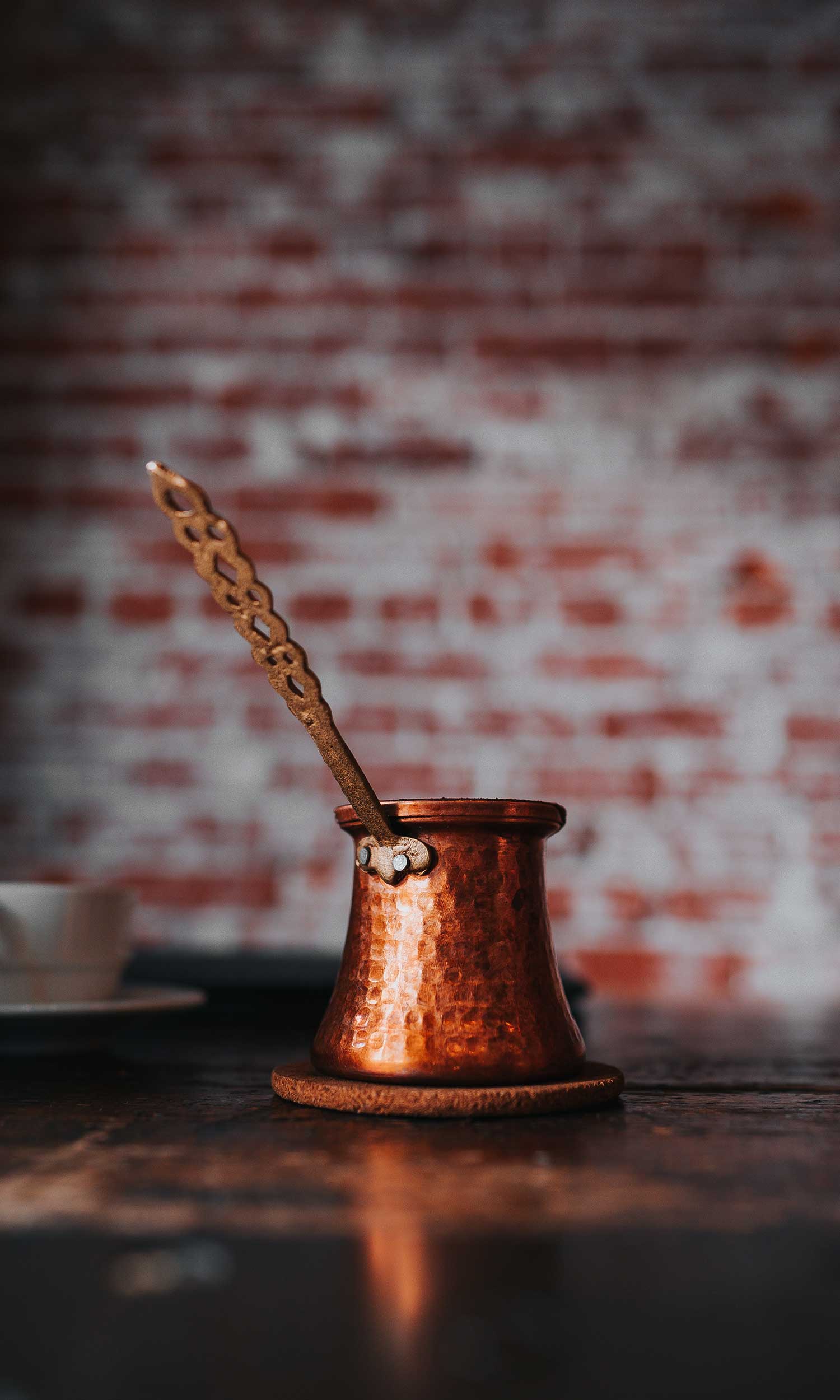
We turned to a traditional coffee maker to uncover the small secrets behind a proper Greek coffee, and we share them with you here.

How to Prepare Greek Coffee – Step by Step
Step 1
Choose a briki (coffee pot) with a narrow neck. Fill it with lukewarm water—one cup for each coffee you intend to prepare.
Step 2
Add sugar first (if desired), followed by the coffee, adjusting quantities to taste.
Step 3
Place the briki over medium heat and stir until the ingredients are fully combined. From this point on, do not stir again.
Step 4
As soon as the coffee begins to rise and foam, remove the briki from the heat and gently tap it 2–3 times to allow the coffee to settle.
Step 5
Return the briki to the heat and wait for it to rise once more.
Step 6
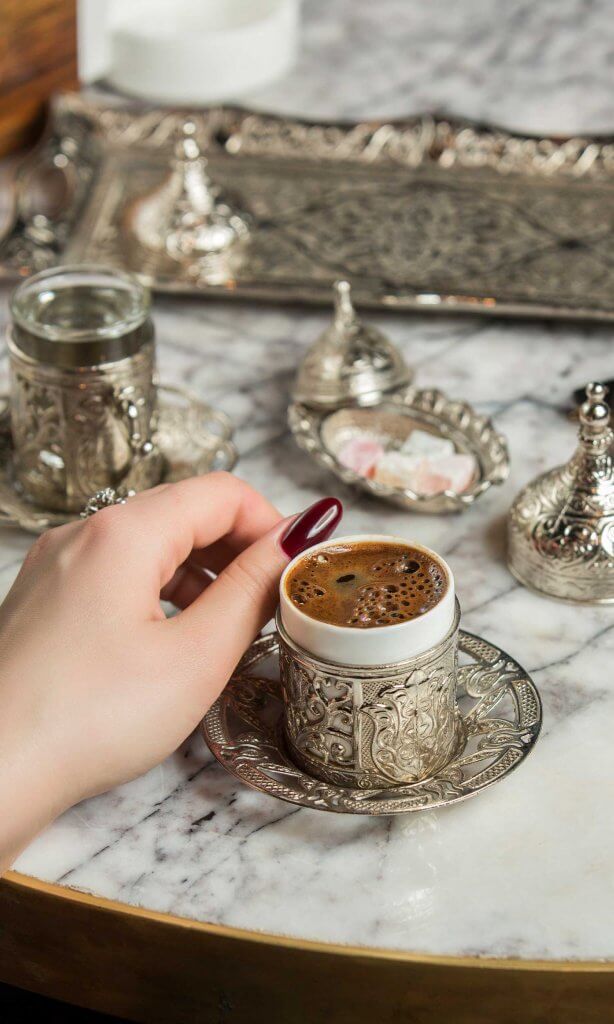
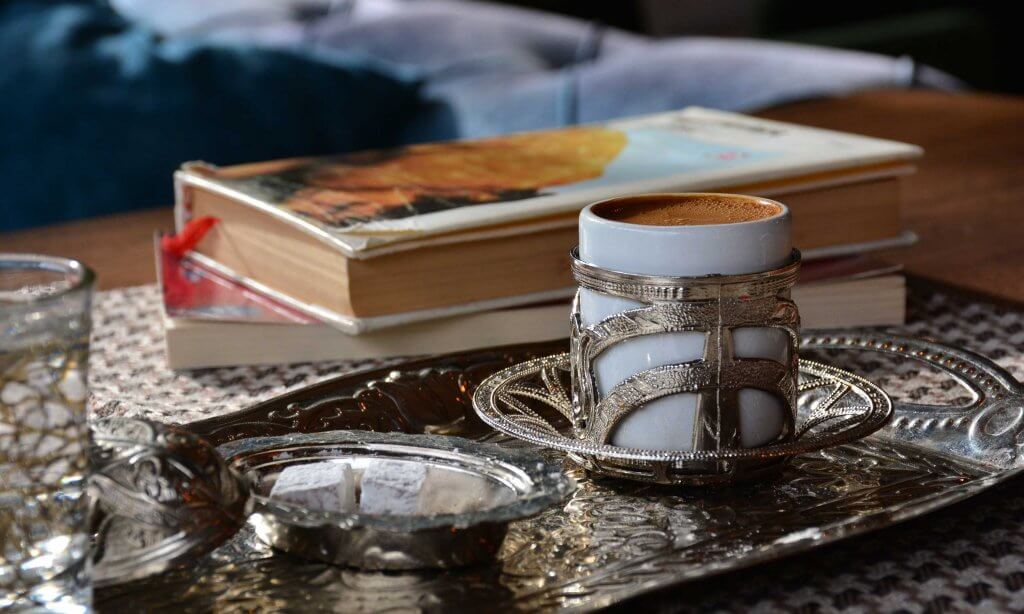
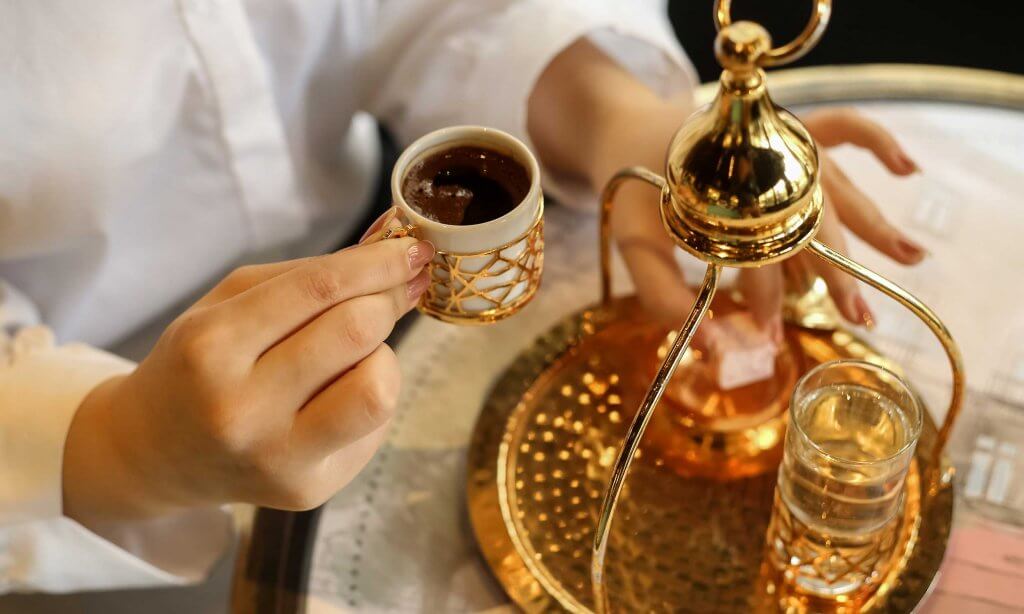
Slowly pour the coffee into a traditional Greek coffee cup.
Greek Coffee Terminology Explained
- Light (Elafrys): 1 spoon of coffee
- Strong (Varys): 2–3 spoons of coffee
- Medium (Metrios): 1 spoon of sugar
- Sweet (Glykos): 2–4 spoons of sugar
- Black (Sketos): No sugar
- Yes and No: Half a spoon of sugar
- Boiled (Vrastos): The foam (kaimaki) is intentionally broken during preparation
Greek coffee is more than a drink. It is patience, technique, and conversation—served slowly, enjoyed even more slowly.