
By Eleftheria Davatzi
Just as life itself unfolds in countless shades, so too does the world of tea—stretching from simple, everyday comforts to the farthest reaches of indulgence. Tea is not merely an infusion; it is an art form with centuries of history, steeped in myth, tradition, and ritual, shaping cultures across the globe.
Join us on a journey through the rarest and most precious teas in the world—where tradition, nature, and ultra-luxury converge in a single cup.

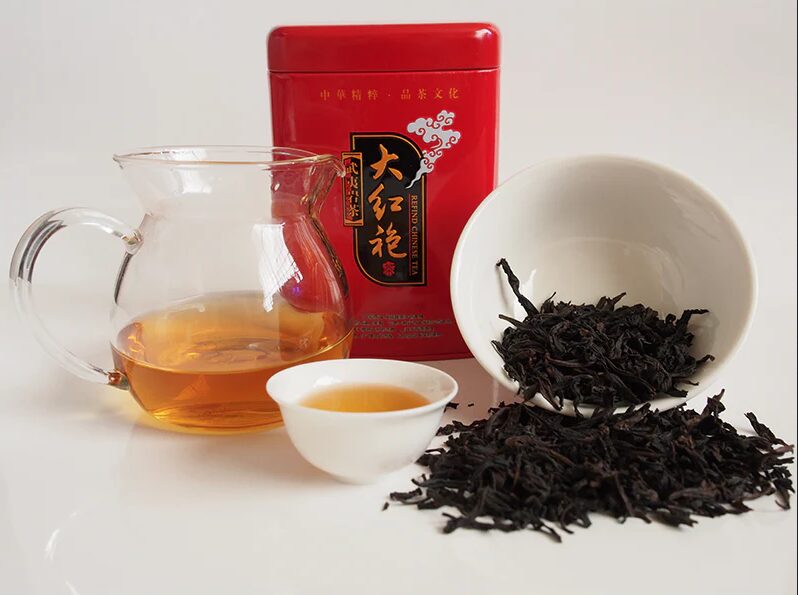
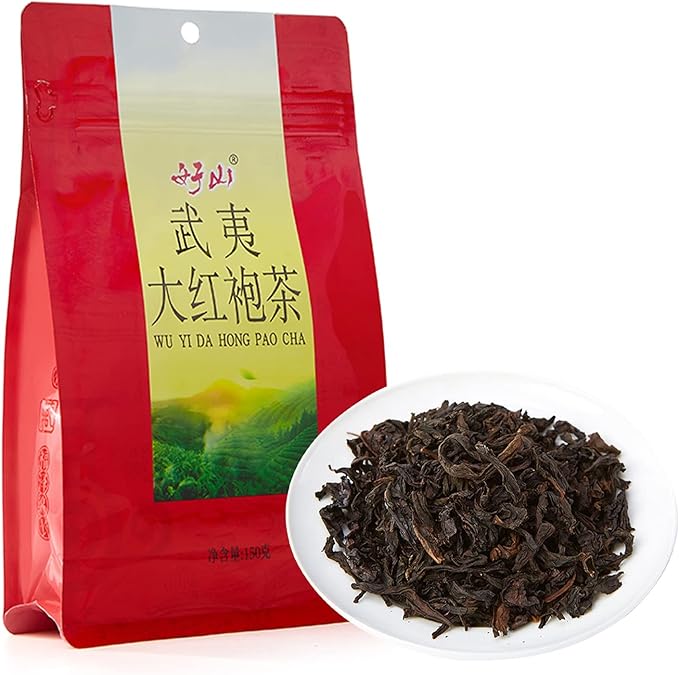
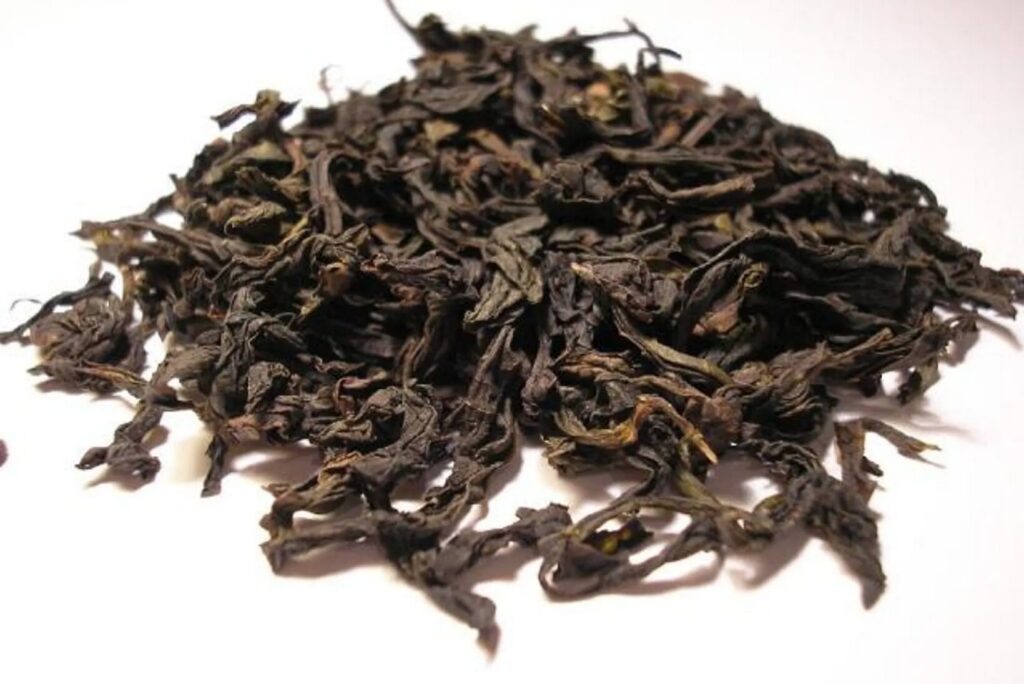
Da Hong Pao: China’s “Big Red Robe”
With a value reaching $1.2 million per kilo, Da Hong Pao is widely regarded as the most expensive tea in the world. It is cultivated in the Wuyi Mountains of China’s Fujian province and is considered a national treasure due to its extreme rarity.
Harvested exclusively by hand, Da Hong Pao is processed using traditional techniques—wilting, rolling, and roasting the leaves—a method dating back to the Ming Dynasty.
This tea is reserved for exceptional occasions or offered as a gift of honour and respect. In 1972, Mao Zedong famously gifted 200 grams of Da Hong Pao to Richard Nixon, symbolising peace and friendship between China and the United States.
Legend has it that the name “Big Red Robe” comes from a Ming emperor who draped his robe over the tea bushes in gratitude after the tea cured his mother. The finest leaves come from six original mother trees; in 2005, just 20 grams were auctioned for $30,000.
Panda Dung Tea: The Tea of… Pandas
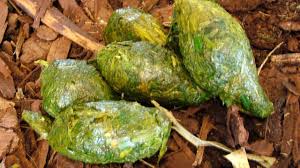
The second most expensive tea in the world is also perhaps the most unusual. Panda Dung Tea owes both its name and its nutritional profile to panda dung.
The idea belongs to Chinese entrepreneur An Yanshi, who used panda waste as an organic fertiliser for his tea plants. The first batch sold for $3,500 per 50 grams, while today its price can reach $70,000 per kilo.
Rich in antioxidants, Panda Dung Tea is considered highly beneficial for health—and its extraordinary origin makes it one of the most talked-about curiosities in the tea world.
Yellow Gold Tea Buds: Gold in Your Cup
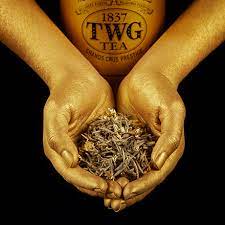
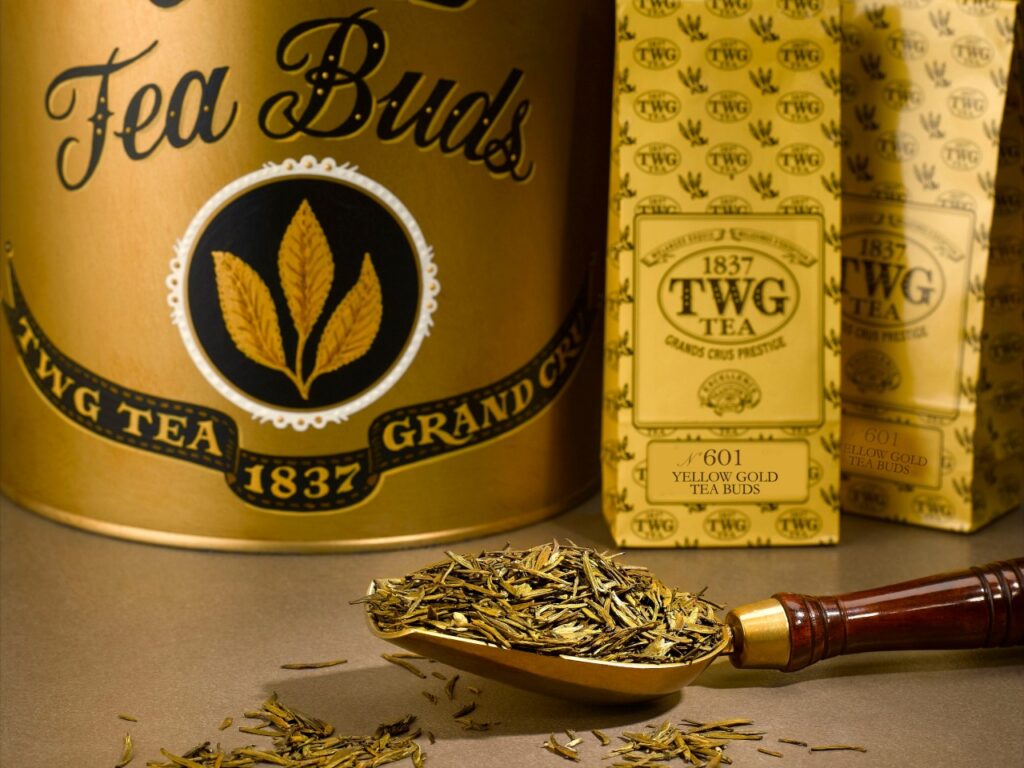
From Singapore comes a tea that quite literally shines. Yellow Gold Tea Buds are harvested once a year using pure gold scissors, then delicately sprayed with edible 24-carat gold flakes.
Known as the tea of emperors, it stands out for its floral, slightly metallic finish and reputed anti-ageing properties. With a price of around $10,700 per kilo, it may well be the most glamorous beverage in the world.
Pu’erh: Yunnan’s Fermented Treasure
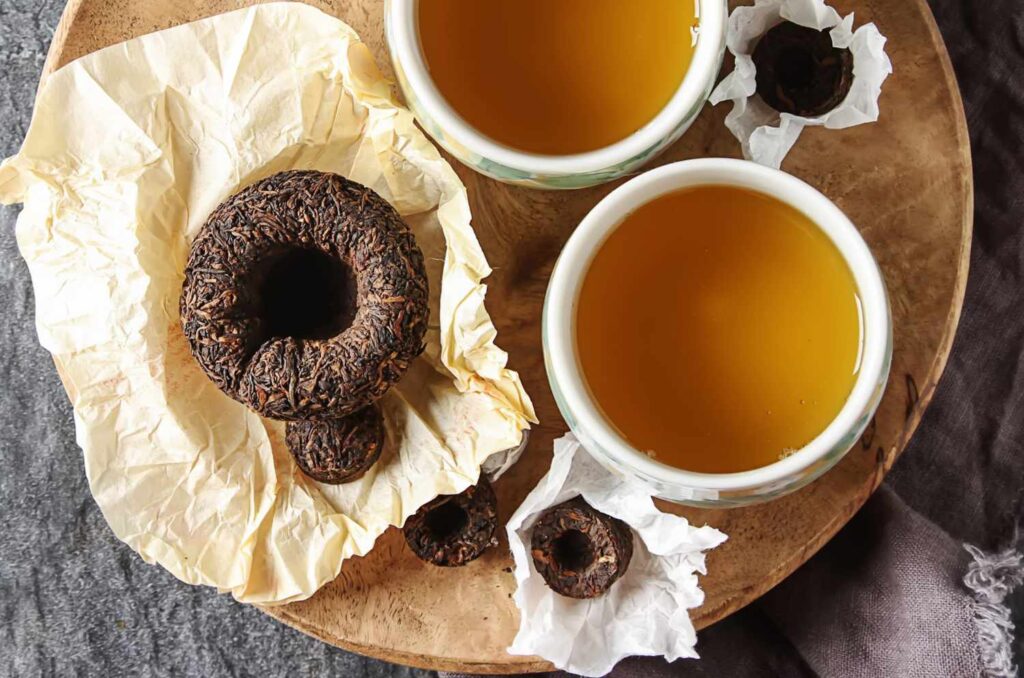
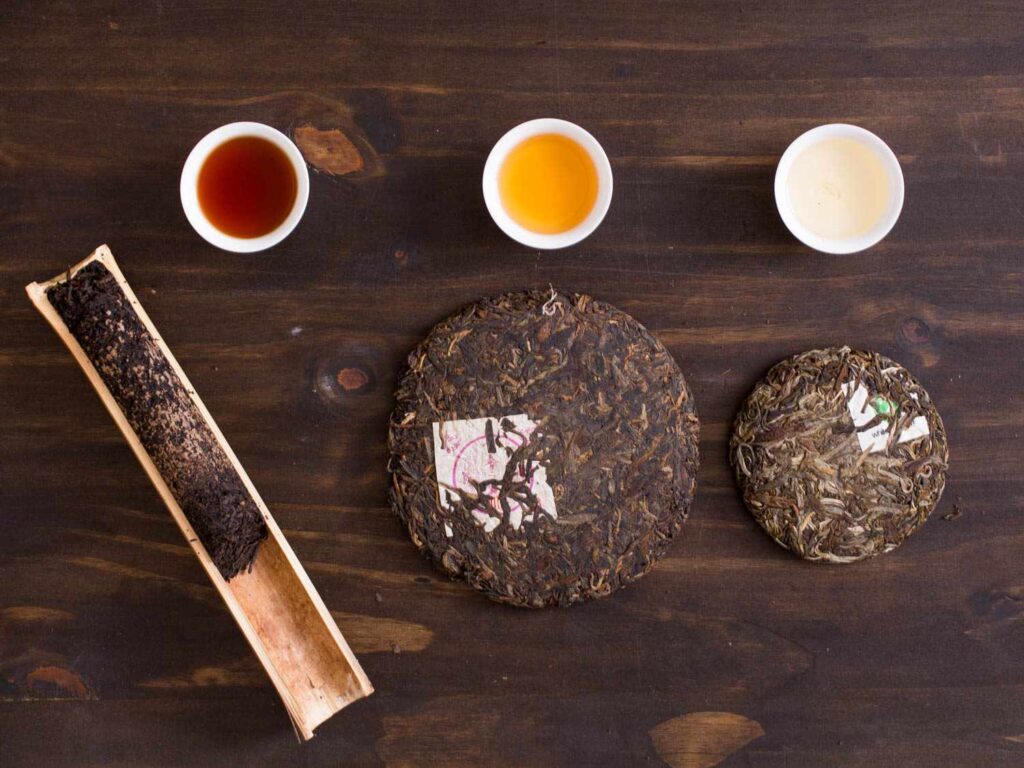
Pu erh tea is among the oldest and most refined teas in existence. Produced in China’s Yunnan province, it comes from tea trees that can be over a thousand years old.
Its unique microbial fermentation gives Pu’erh an earthy, complex profile and well-documented health benefits—from cholesterol regulation to improved digestion.
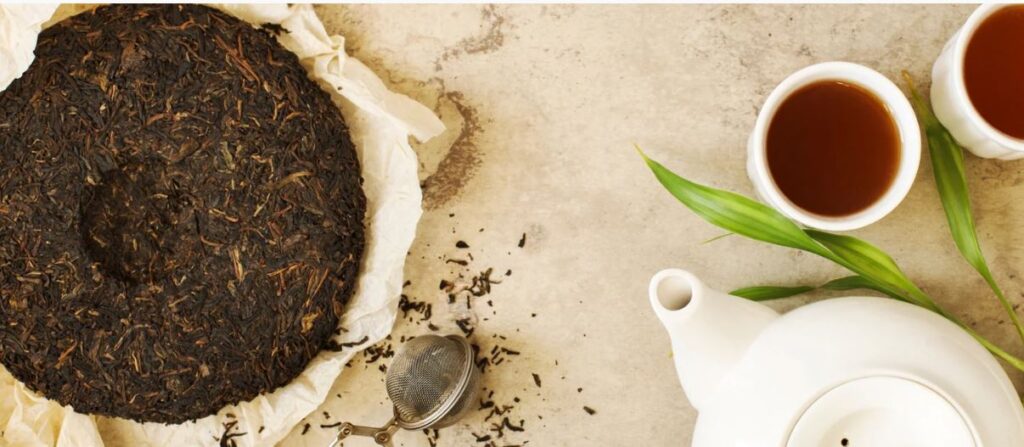
Often sold in compressed “cakes,” Pu’erh can fetch prices of up to $10,000 per kilo. It is no coincidence that, historically, wars were fought over control of its precious plantations.
Vintage Narcissus: The Narcissus of Tea
A tea aged for more than a century. Vintage Narcissus, inspired by the Greek myth of Narcissus, is cultivated in the Wuyi Mountains and in Taiwan.
Its flavour is layered and sensual, revealing notes of caramel, honey, chocolate, and orchid. The leaves are roasted every two years, in a painstaking process that builds remarkable depth and complexity.
Valued at around $6,500 per kilo, it is considered one of the most refined oolong teas ever produced.
A Beverage with a Soul
From Beijing to London, and from Kyoto to Cairo, tea remains the second most consumed beverage in the world after water. For some, it is a quiet daily ritual. For others, a cultural ceremony infused with luxury, memory, and emotion.
Every cup of tea holds a story.
And every sip is a small journey through time.