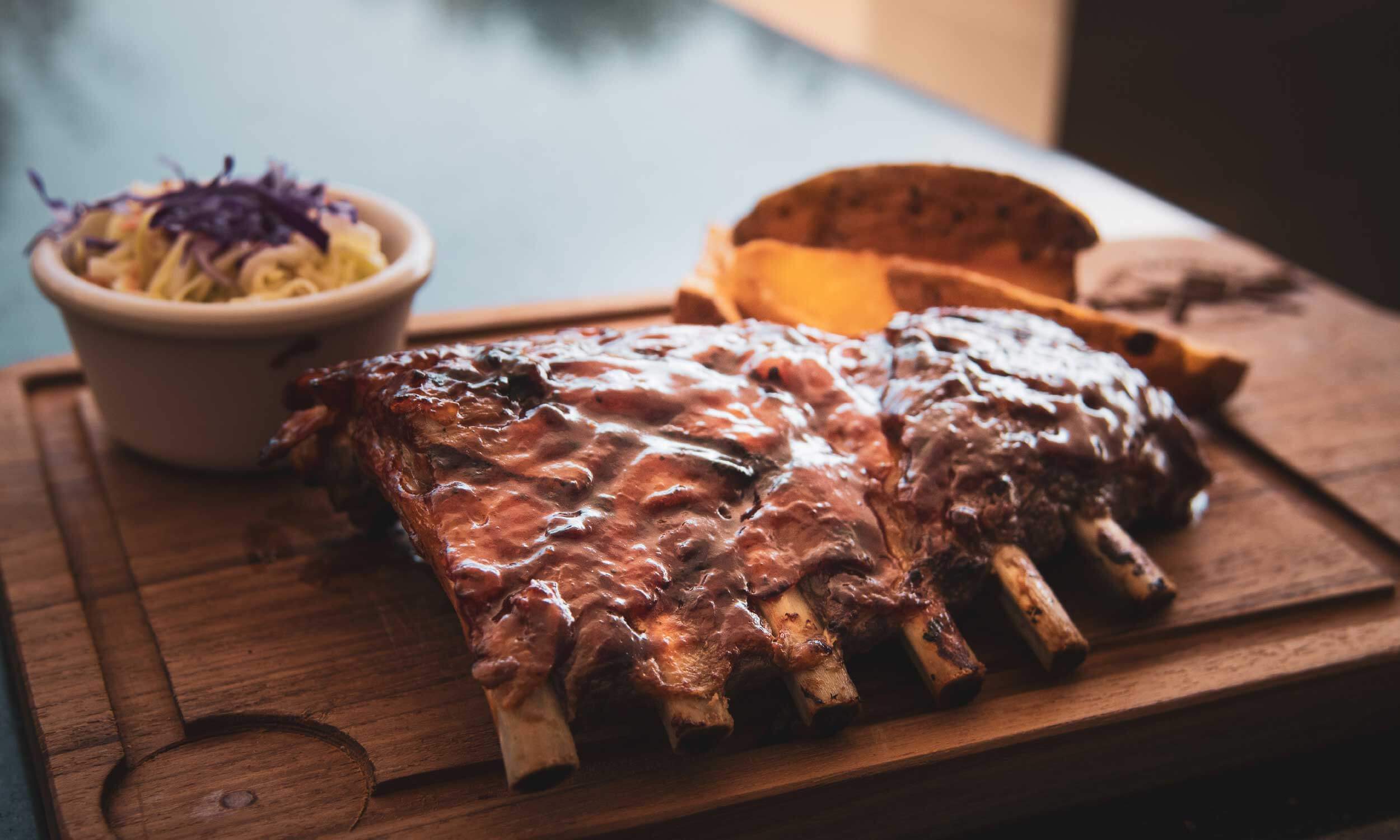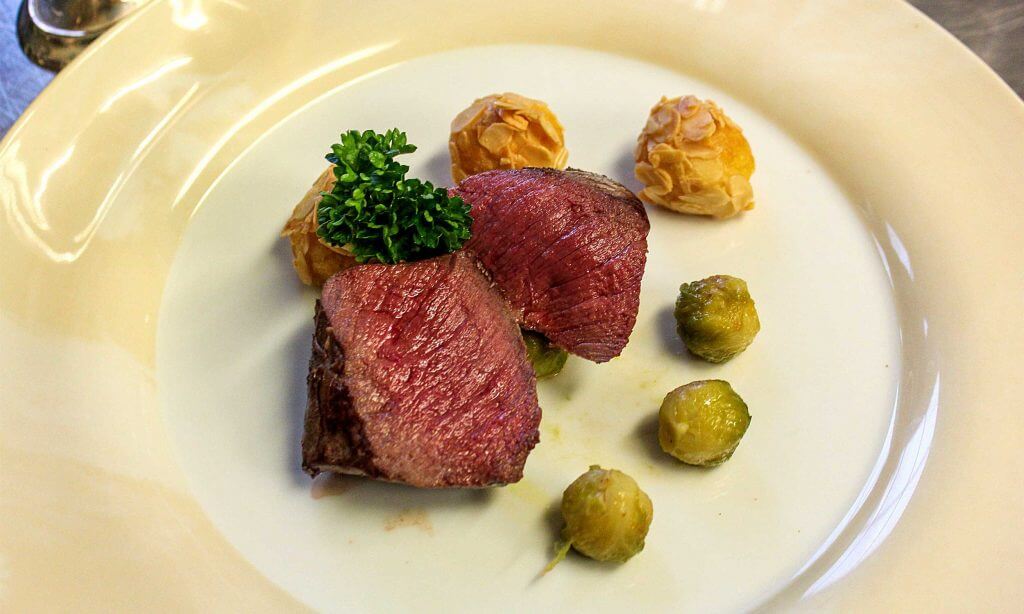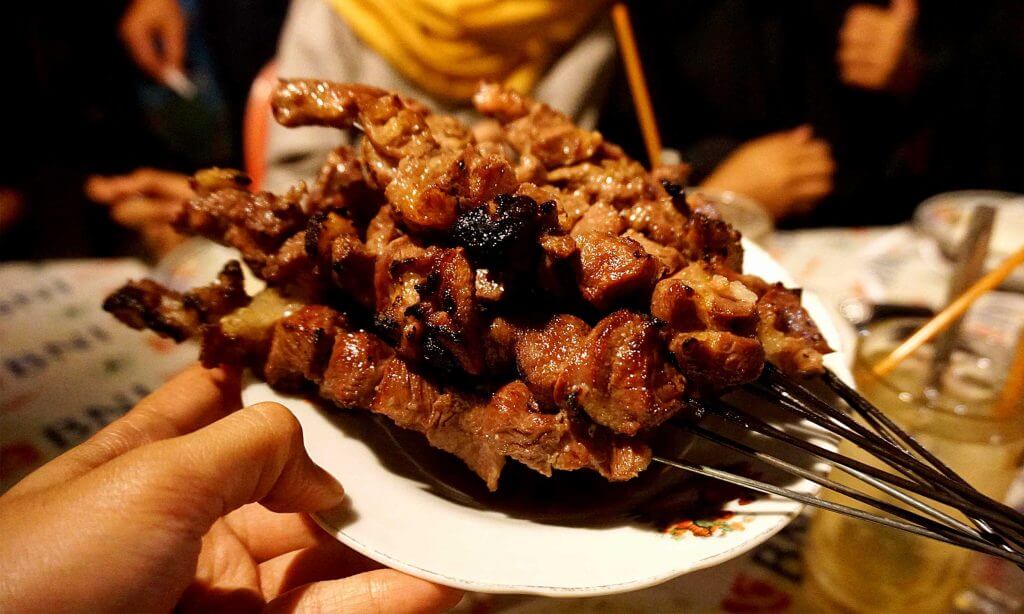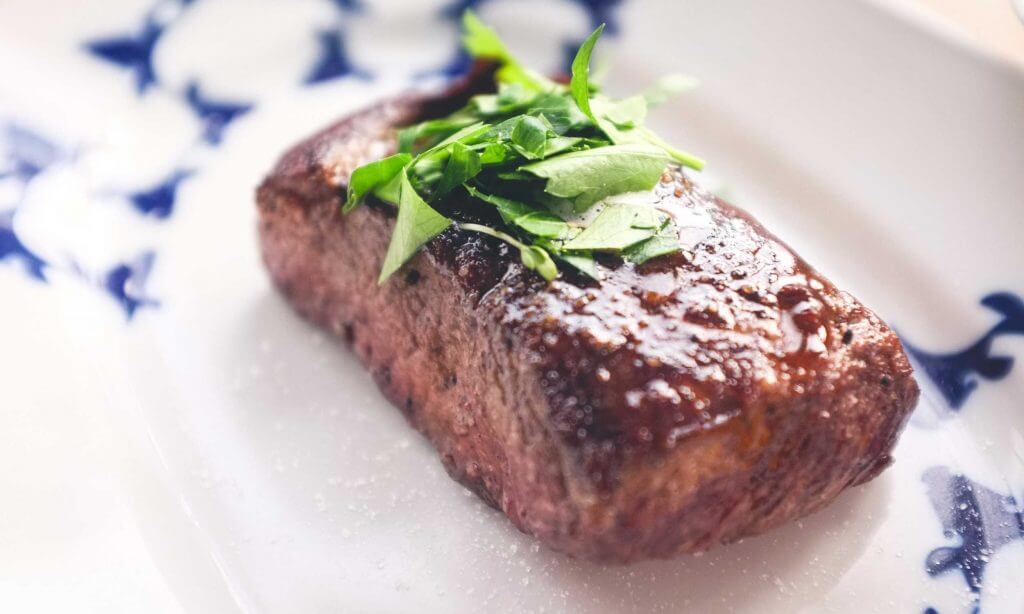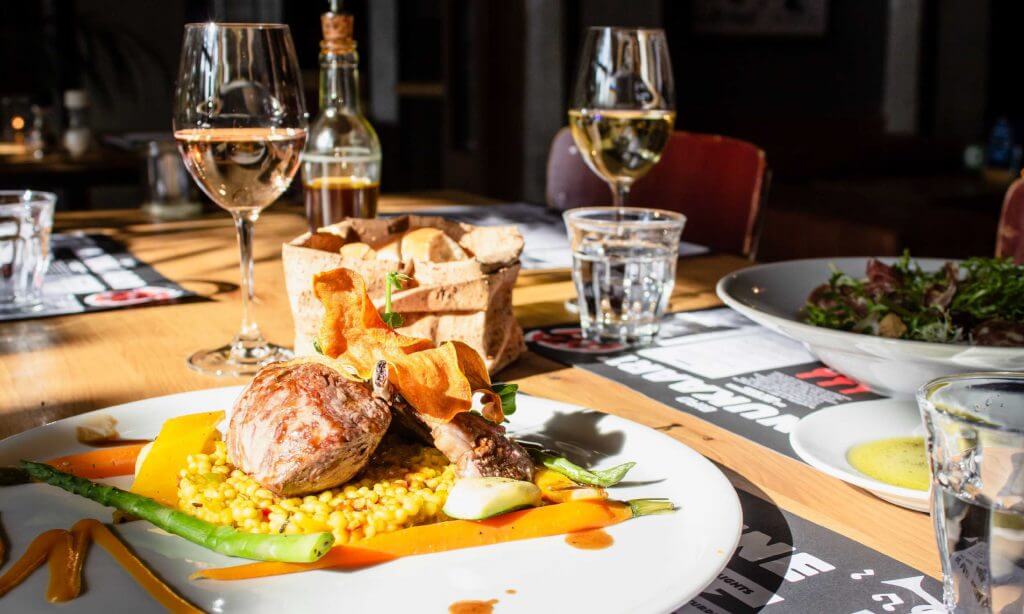

Main courses are where structure, fat, intensity, and cooking method truly define the pairing. Here, wine must either cut, support, or mirror the dish. Below is a curated, experience-driven guide to combinations that work — not in theory, but at the table.

Meat Dishes
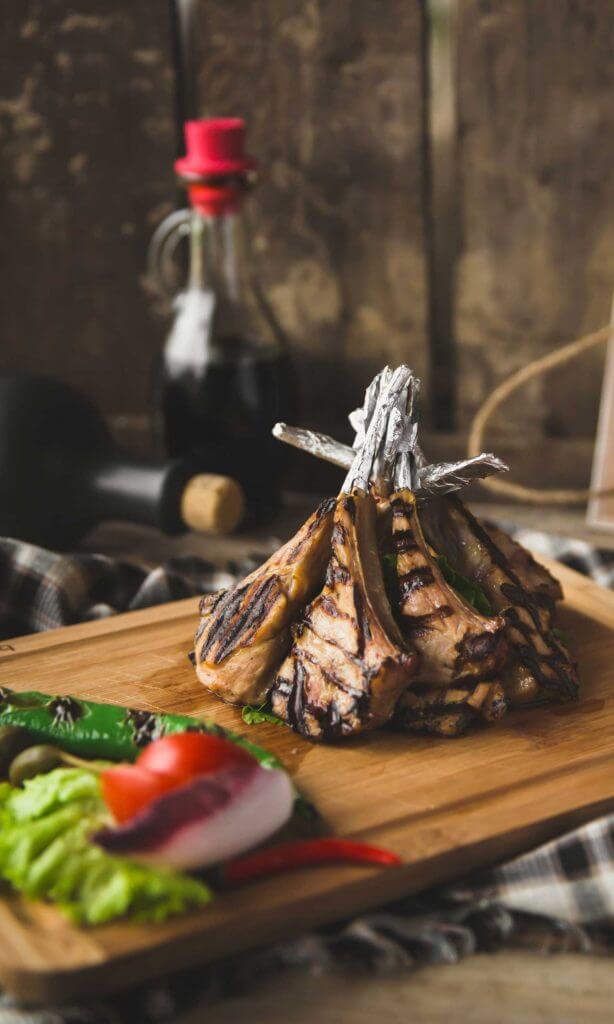
Lamb
Tannins and bright acidity are essential to cut through the richness.
Naoussa Xinomavro creates a near-fetish pairing, as does Piedmontese Nebbiolo — provided you’re ready for a proper Barolo or Barbaresco.
Venison
A rich, generous red with sweetness and depth.
If cooked with chocolate, choose a New World powerhouse such as Californian or Australian Shiraz or Cabernet Sauvignon.
The truly bold may try a young Vintage Port.
Goat
Leaner than lamb, allowing more flexibility.
Try a structured Agiorgitiko, Chianti Classico, or a Pinot Noir from the Côte de Nuits.
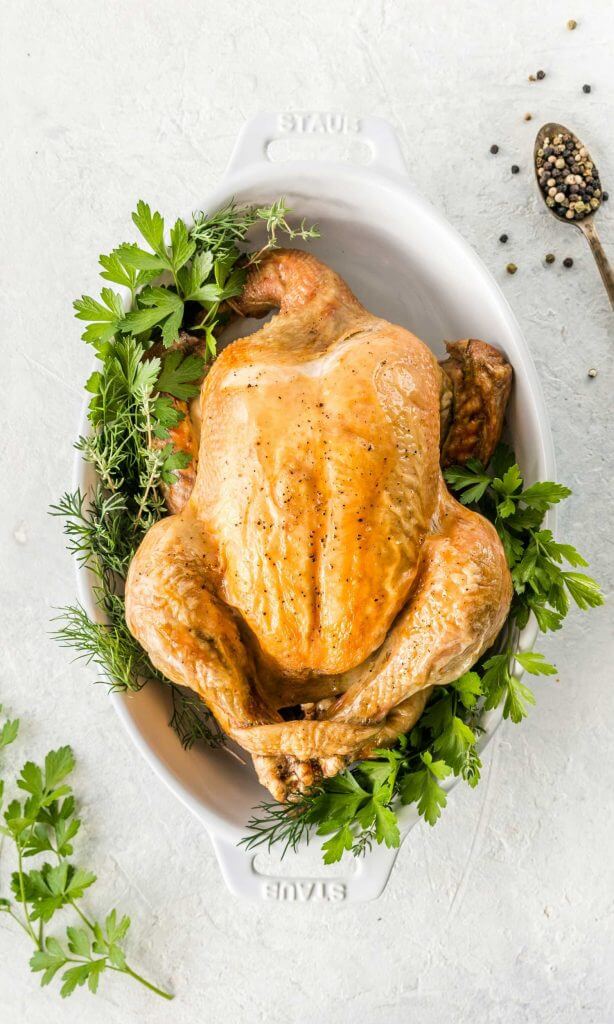
Chicken
A rich, oak-aged white such as Semillon or Viognier.
With fruit-based preparations, opt for Alsace Gewürztraminer.
With dark sauces or wild mushrooms, choose an aged, refined red.
Veal
Grilled cuts require a medium-bodied wine with good acidity, such as Chianti Classico.
Braised dishes call for more body: Cabernet Sauvignon from Bordeaux, California, or the Peloponnese, or a robust Australian Shiraz.
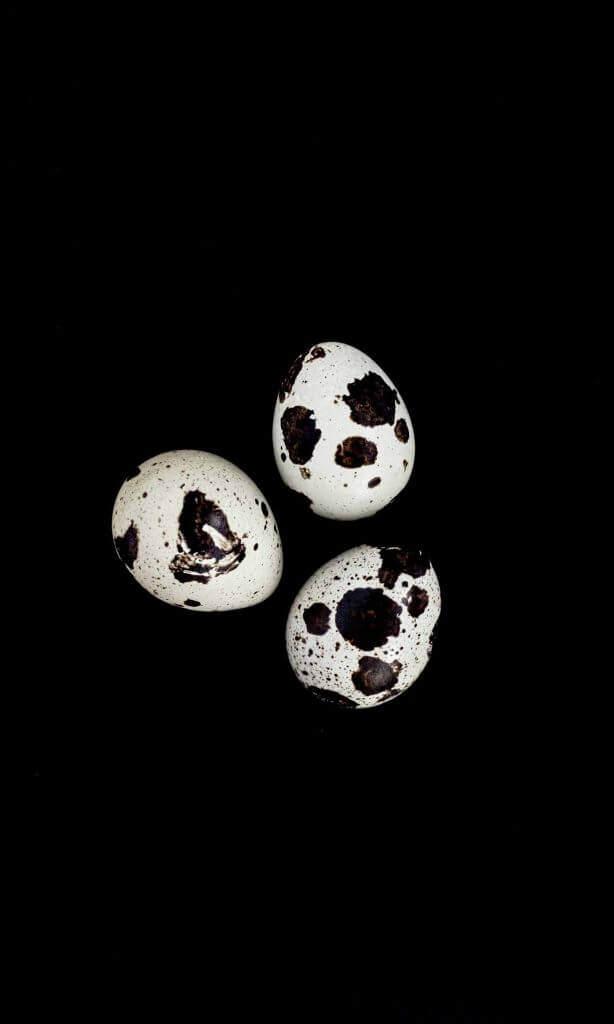
Quail & Feathered Game
A rich Hermitage or Côte-Rôtie, as well as a fine Cabernet Sauvignon.
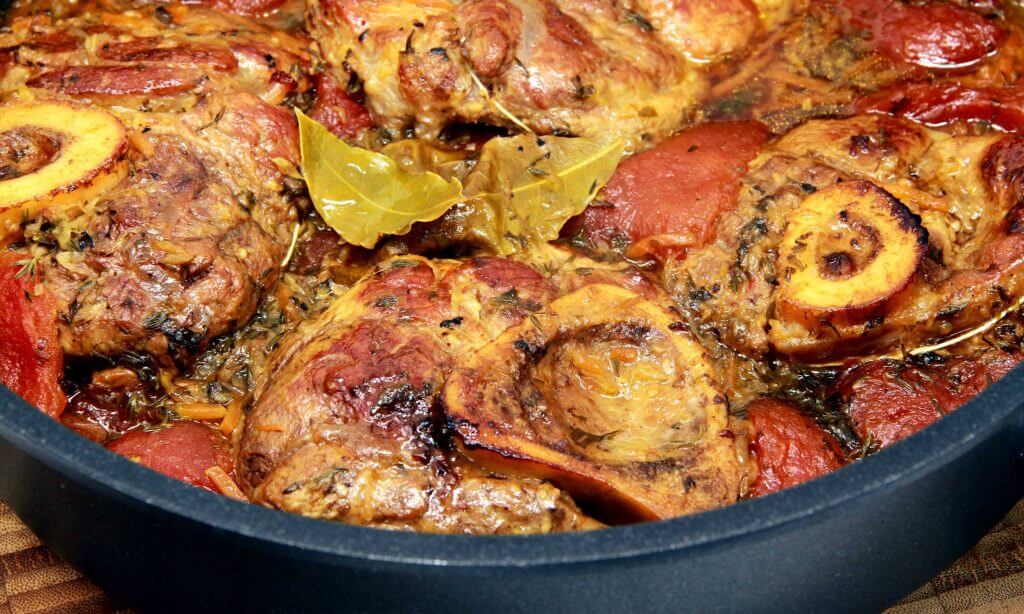
Osso Buco
Your passport to a great bottle: Barolo, Rioja Reserva, or any serious Bordeaux.
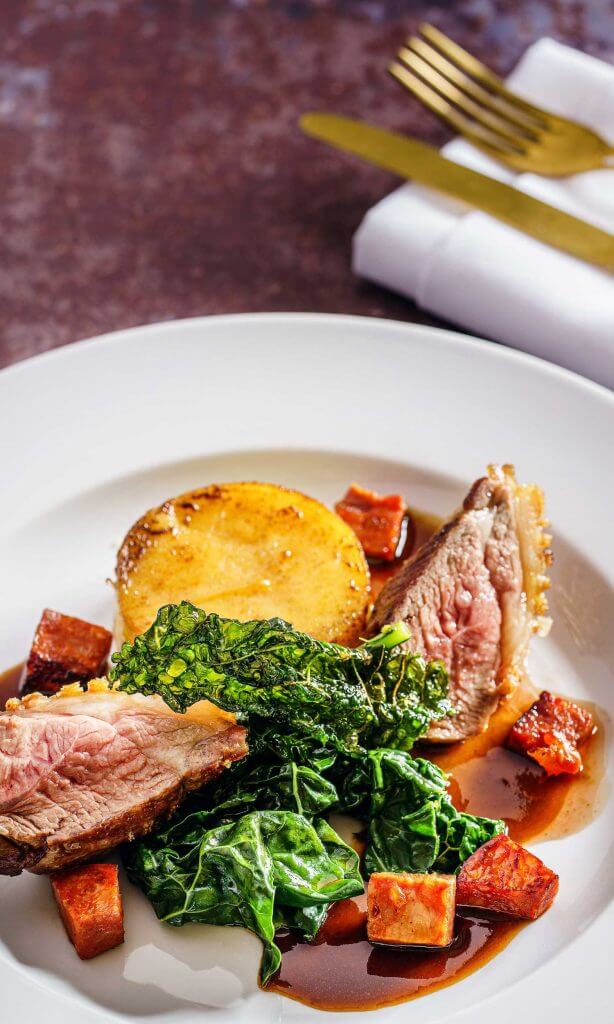
Duck Breast
Its subtle bitterness requires a wine with a similarly spicy, bitter finish.
Chianti Classico Riserva or Amarone della Valpolicella deliver perfection.
Pork
In its pure form, pair with a rich white such as Hermitage Blanc.
If garnishes are involved, let them lead — for example, prunes pair beautifully with Merlot.
Oven-Baked Classics
Imam
Though vegetarian, it demands a structured red.
A rich Nemea, Southern Italian Aglianico, or even South African Pinotage are necessary to stand up to the dish’s power.
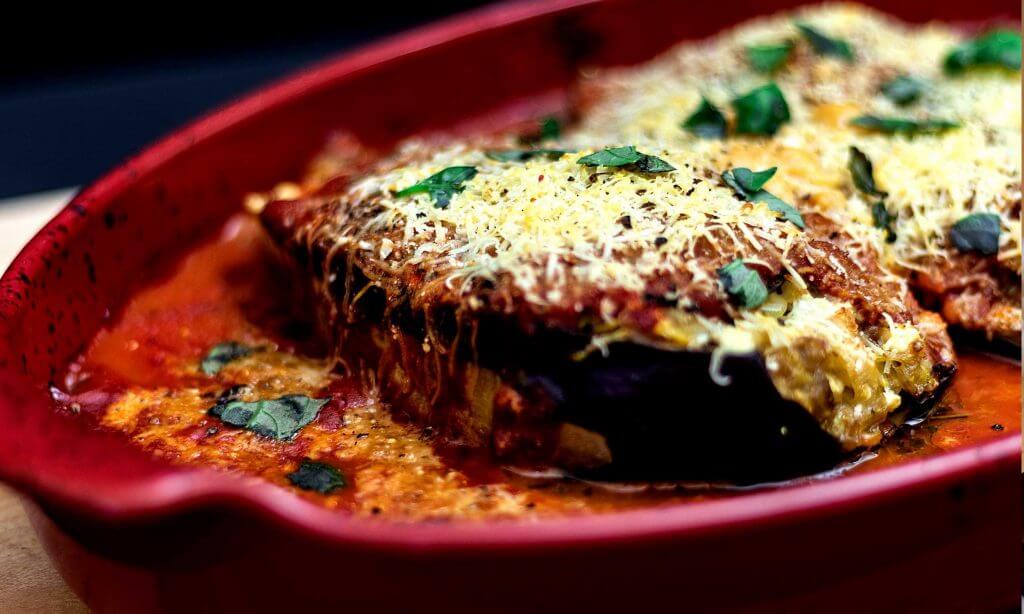
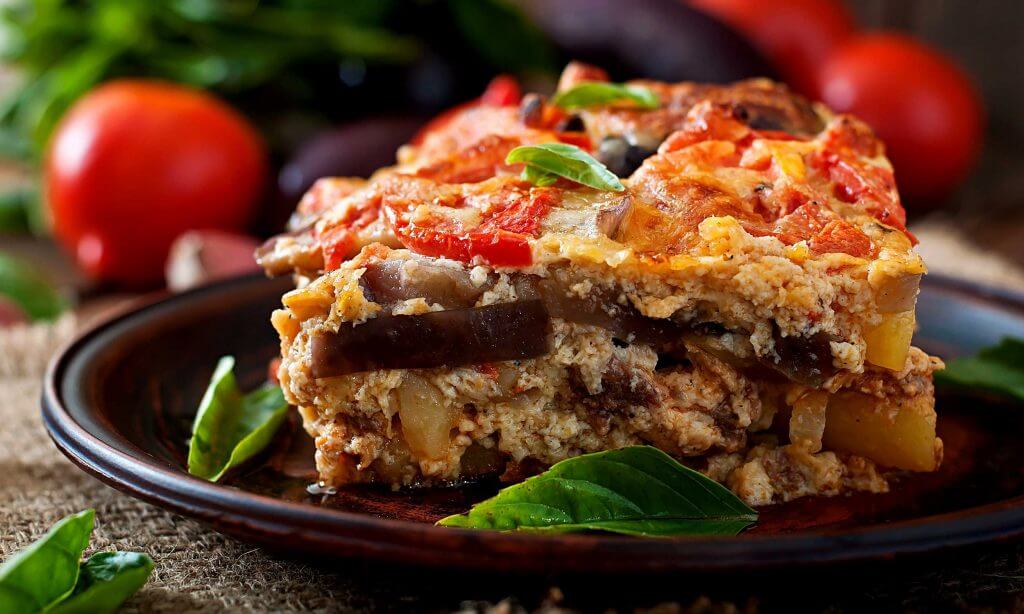
Moussaka
A Naoussa Xinomavro, a Southern Rhône blend (Grenache–Syrah–Mourvèdre), or Rioja Crianza balances richness while cutting through the creamy texture.
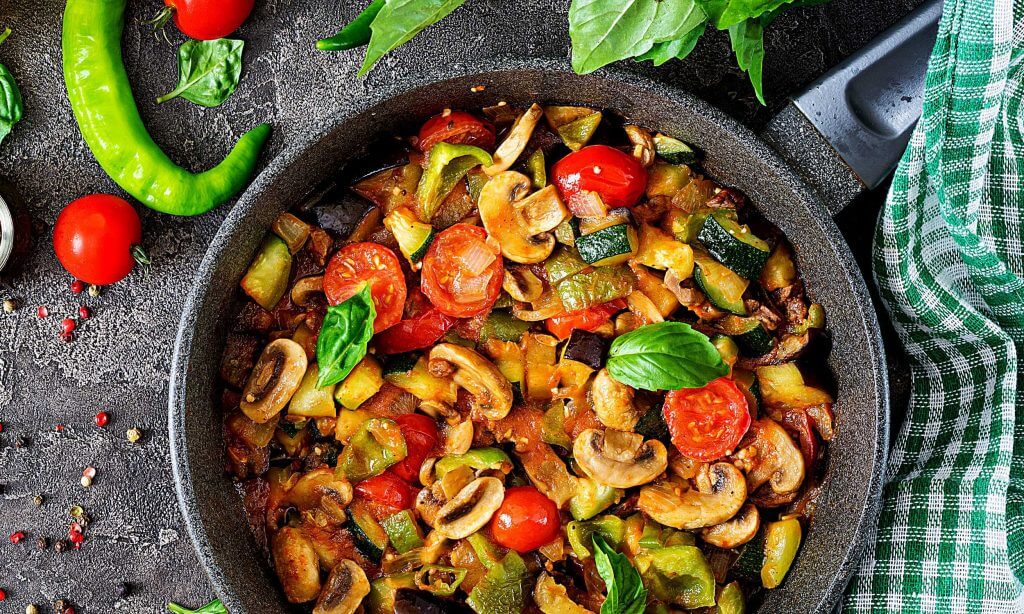
Briam
Choose a light red, such as a fruity Nemea or Loire Valley Cabernet Franc, or a full-bodied rosé from Amyndeon.
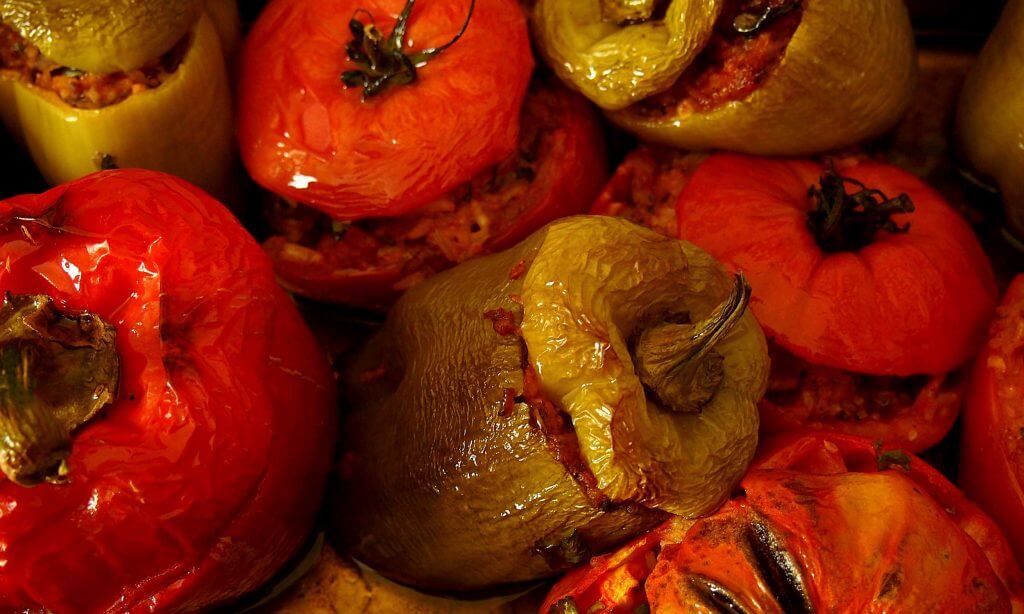
Stuffed Tomatoes
A good white or rosé with refreshing acidity.
Alternatively, a light Nemea.
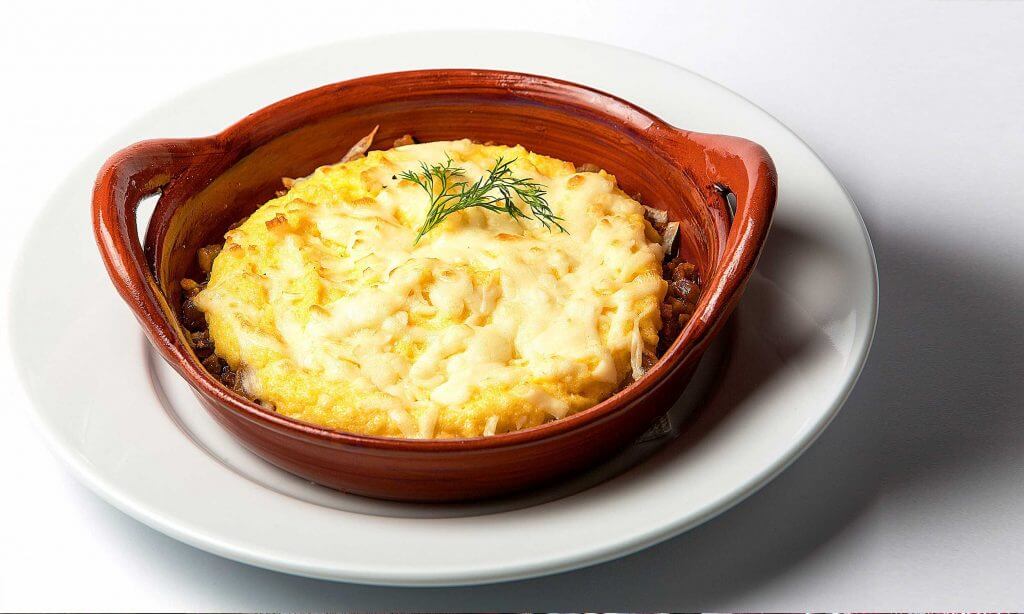
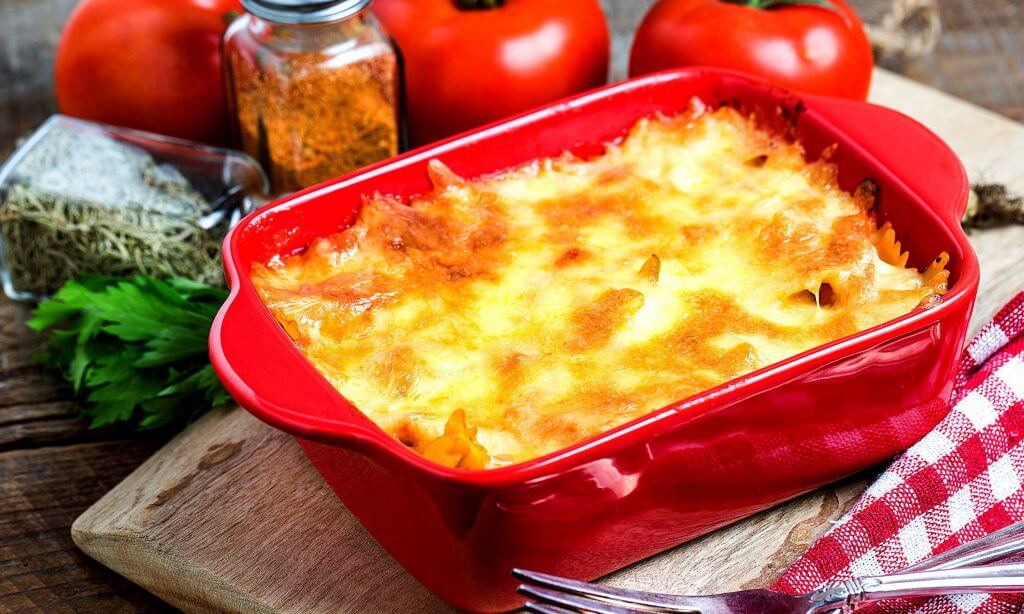
Pastitsio
Try with a light, straightforward Bordeaux or a fruity Pinot Noir from the Côte de Beaune.
Fish & Seafood
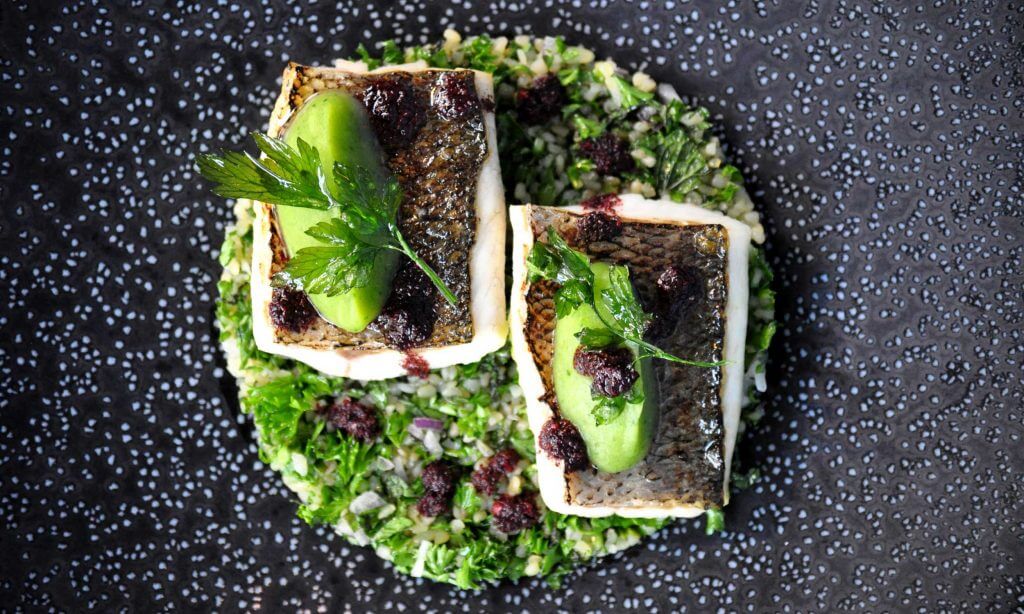
Sea Bass
Its delicate flavour calls for a refined dry white: Soave, Loire Sauvignon Blanc, or unoaked Chablis.
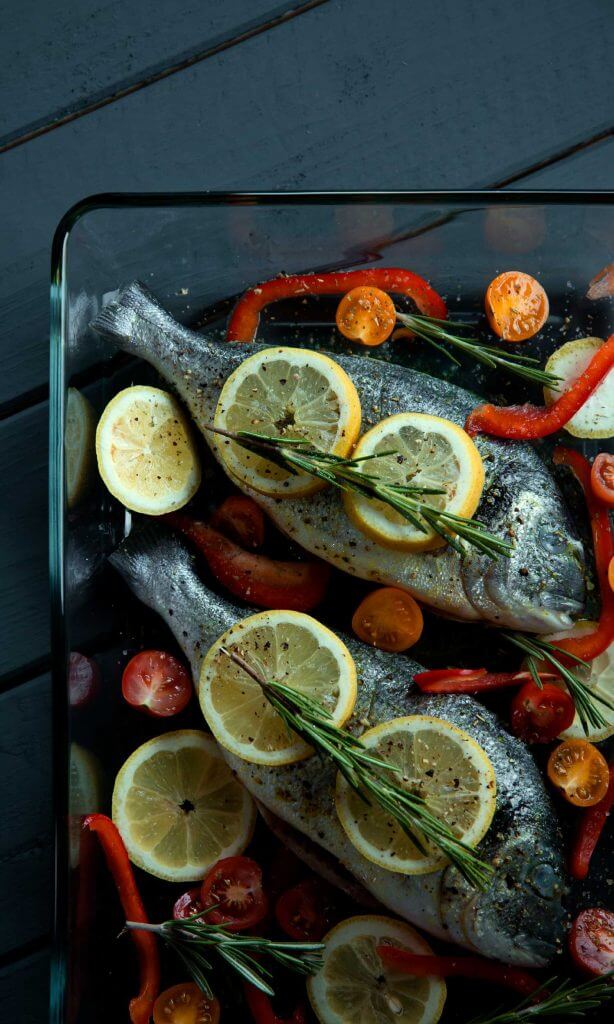
White Sea Fish
(Dentex, Red Porgy, Sea Bream)
Their wild character demands acidity and tension: barrel-aged Santorini Assyrtiko, Austrian Grüner Veltliner, or — above all — Grand Cru Chablis.
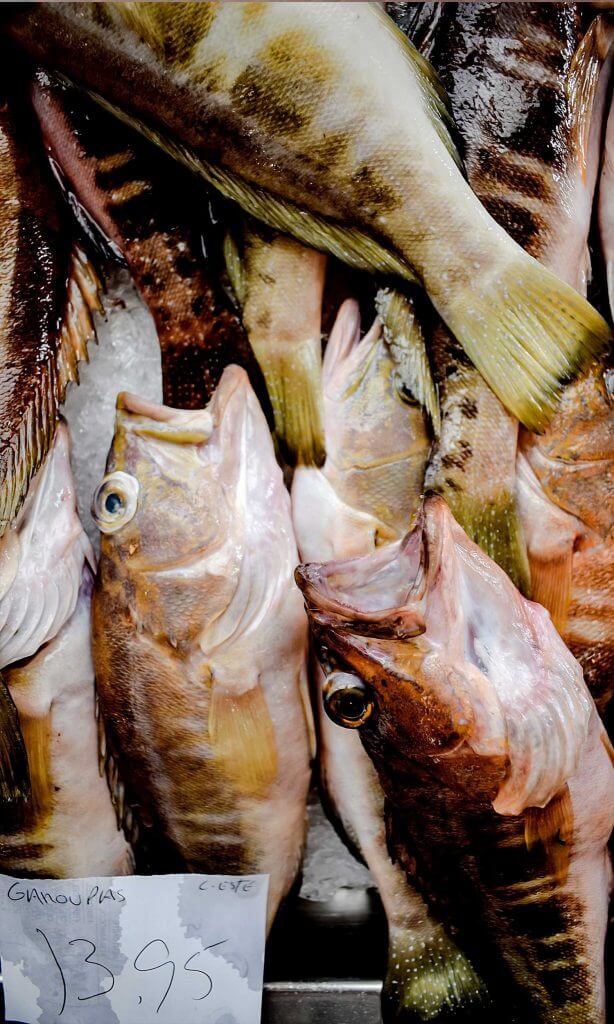
Dark Fish
(Grouper, Amberjack, Wreckfish)
Their sweet, fatty texture needs rich, oak-aged whites.
For the adventurous, soft reds with high acidity — particularly Pinot Noir — are outstanding.
If cooked in red sauce (e.g. wine-based), any red without aggressive tannins will work.
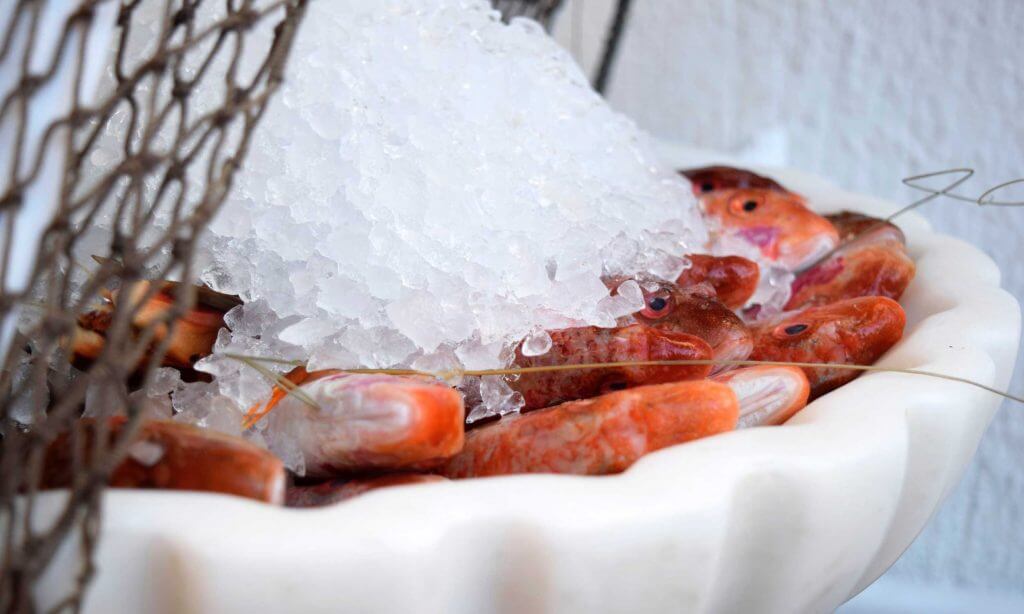
Red Mullet & Striped Red Mullet
Light, delicate fish demand the same in wine.
A dry Mantinia is ideal; a well-made Vilana also shines.
Swordfish
A white aged in toasted oak complements the fish’s smoky grill character beautifully.
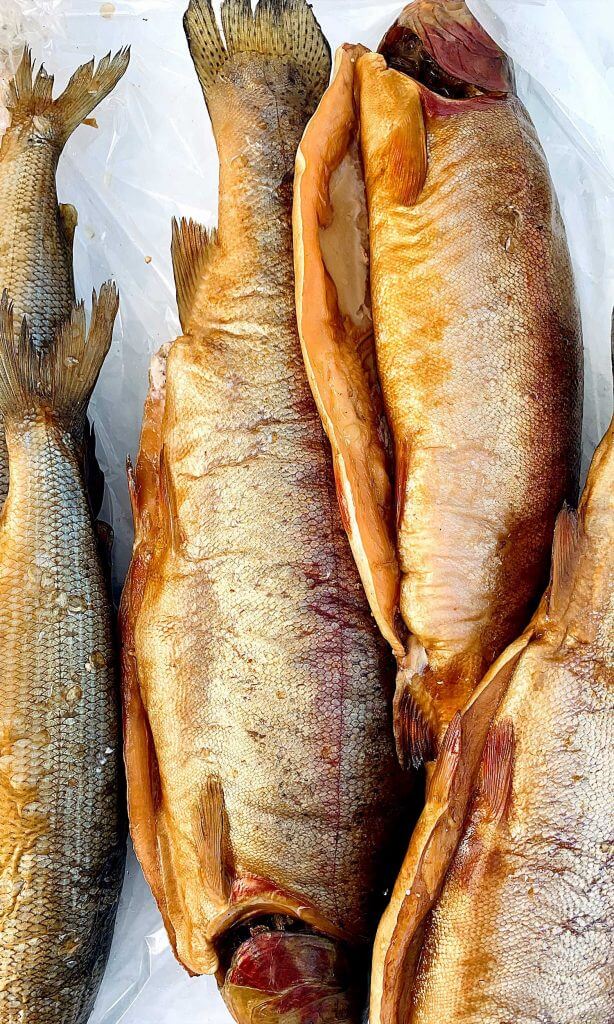
Salt-Cured Fish
Their intensity rules out harmony with wine.
Choose tsipouro or ouzo.
If wine is unavoidable, go for an ultra-dry Fino Sherry.
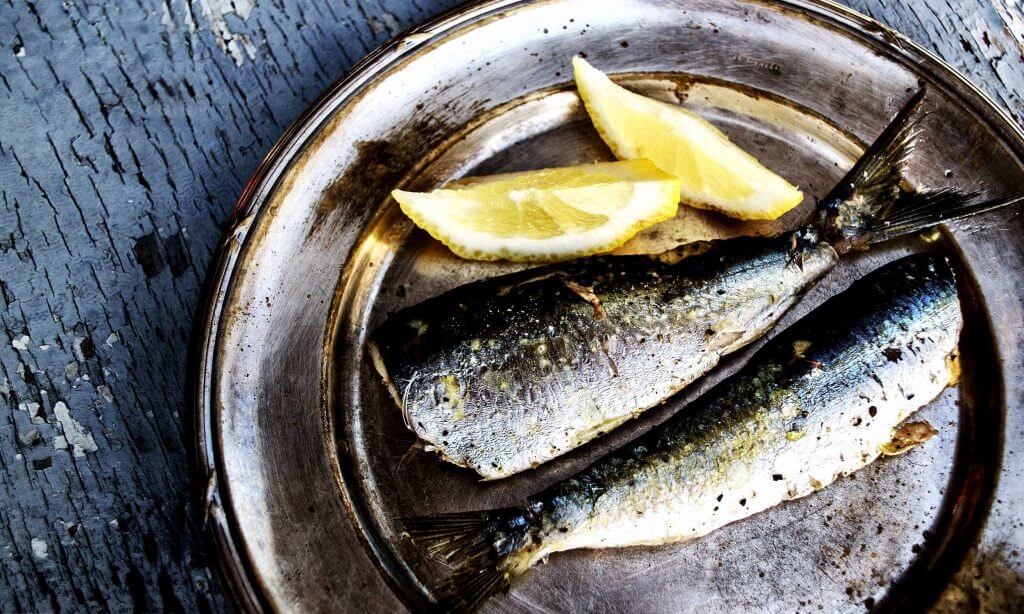
Sardines
Their richness requires a full-bodied dry white or red.
An oak-aged Assyrtiko (non-Santorini) works surprisingly well.
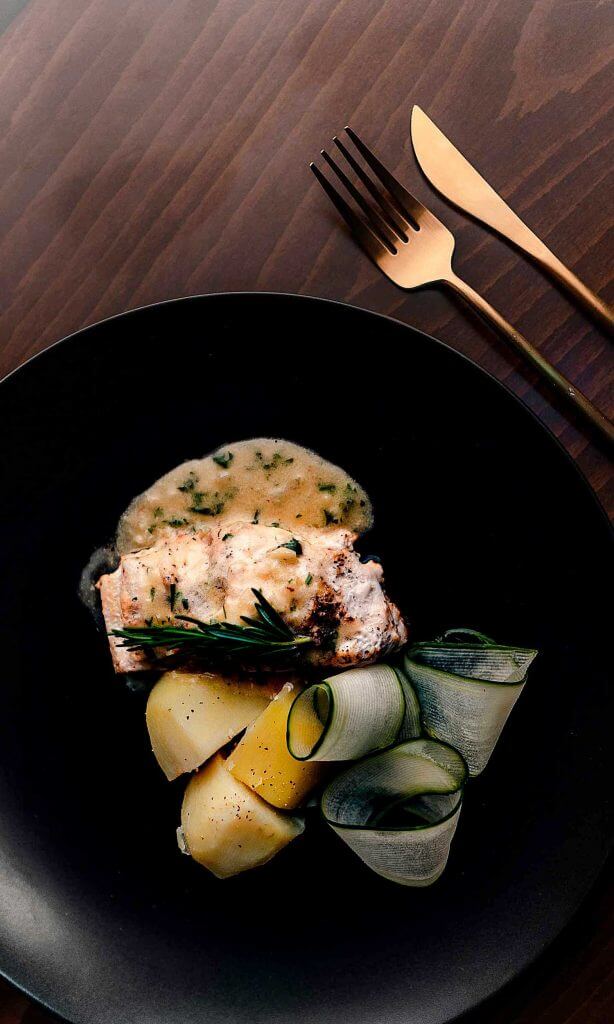
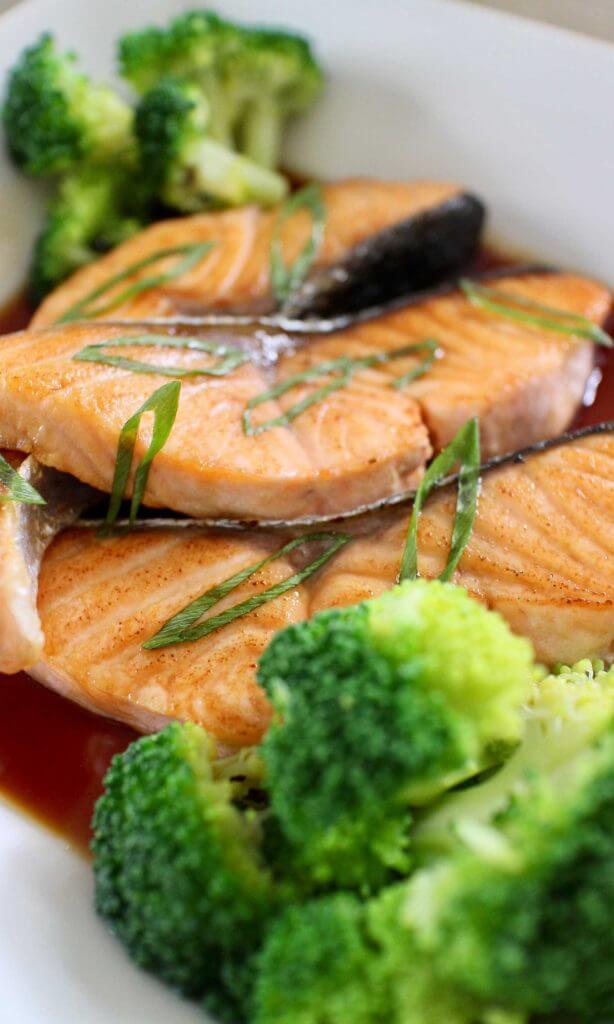
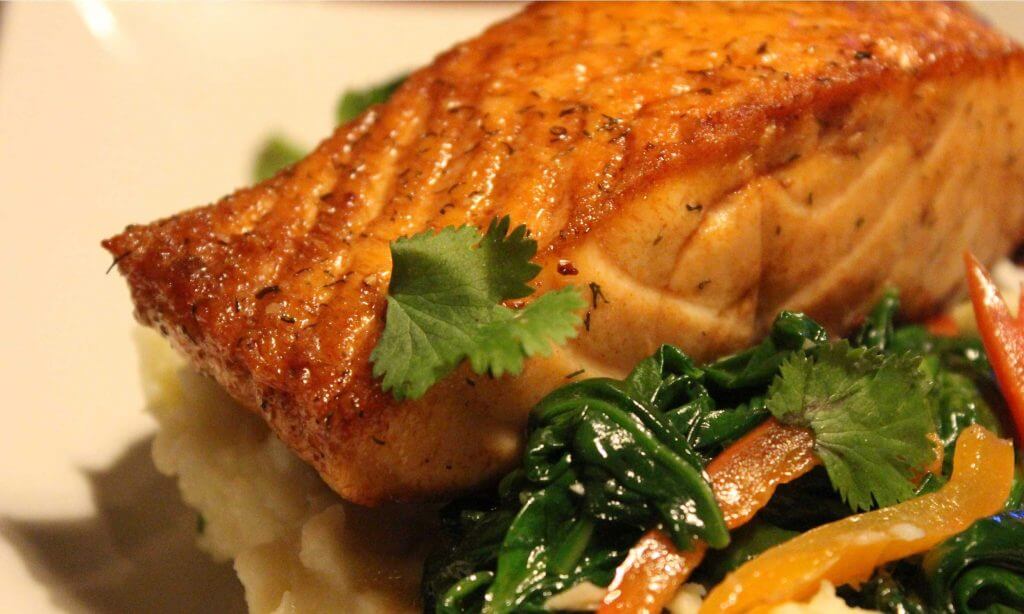
Fresh Salmon
A perfect canvas for celebratory wines:
- Rosé Vintage Champagne
- Great oak-aged Chardonnay (white Burgundy)
Alternatively, a fruity Pinot Noir from Burgundy or New Zealand.
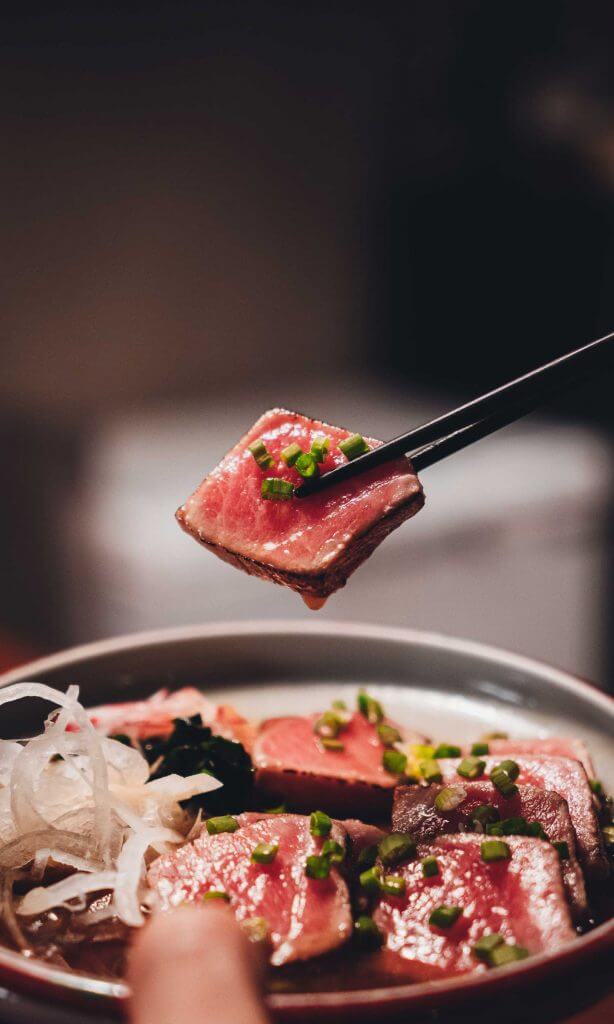
Sushi & Sashimi
A vibrant Brut Champagne or Fino Sherry sets the rhythm.
Above all: top-quality Japanese sake.
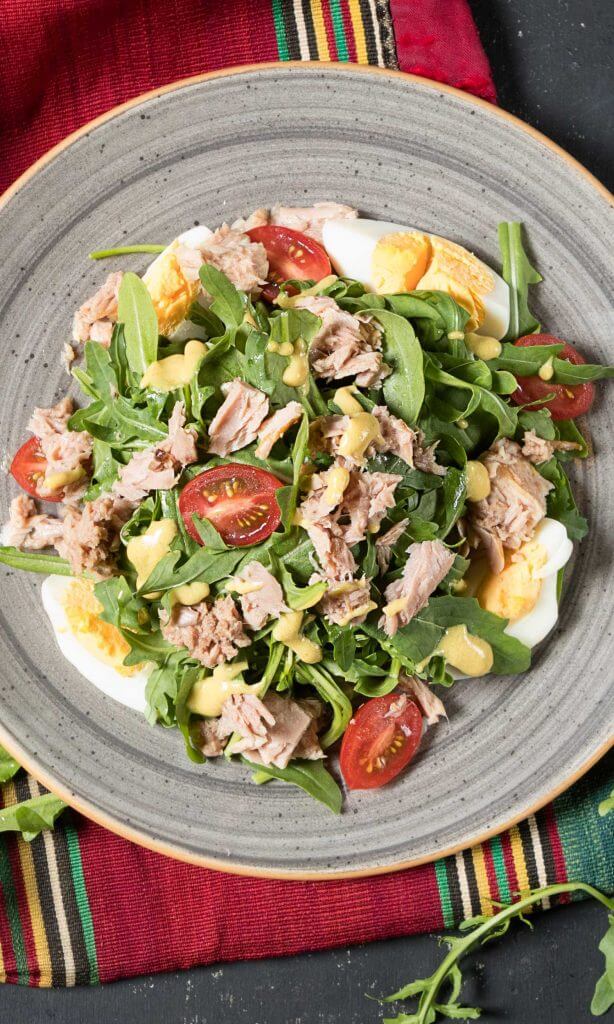
Tuna
A refined Pinot Noir or a top-tier Provençal rosé.
Wine at this stage is not an accessory — it’s a co-protagonist. Choose boldly, taste consciously, and let the dish lead.