
Some stories of Greek wine are not just about bottles and harvests—they are about communities, collective memory, and survival. One such story belongs to the compulsory wine cooperative of Markopoulo, known as MARKO Wine Cooperative. A cooperative rich in history, which paused bottling for a time but is now steadily moving forward once again.
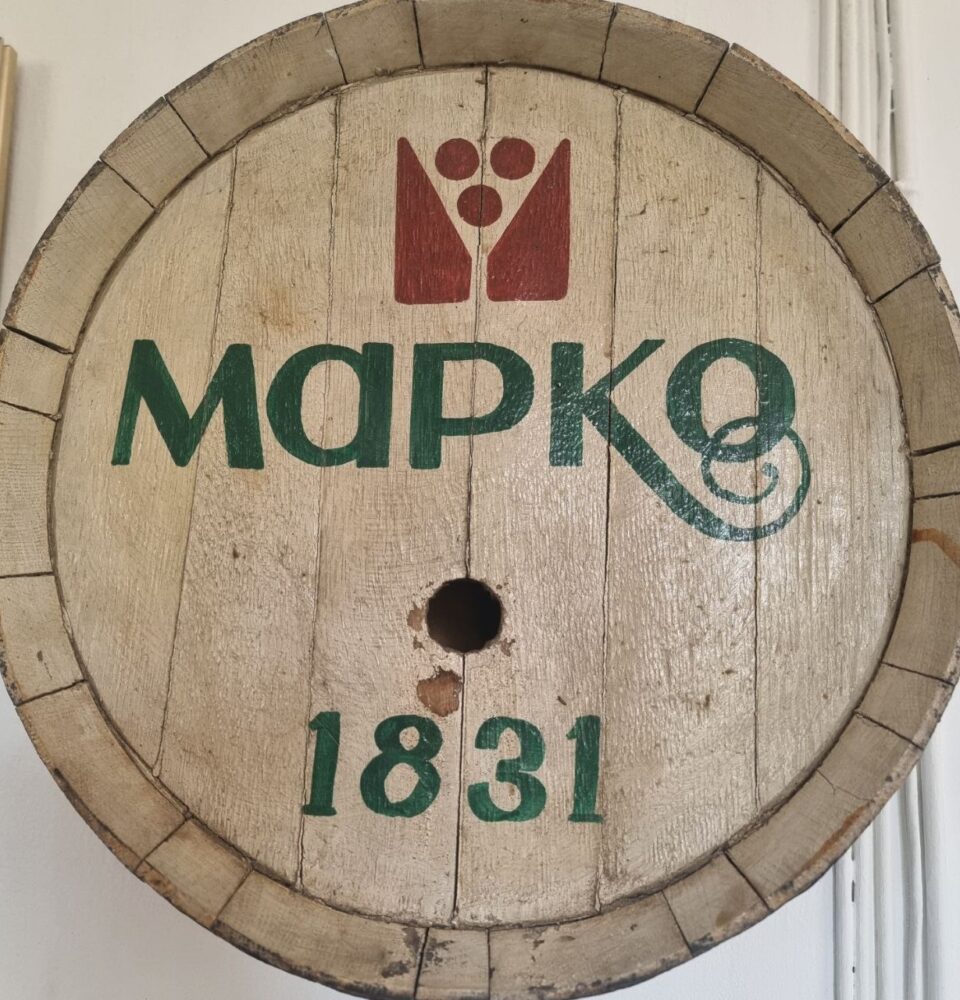
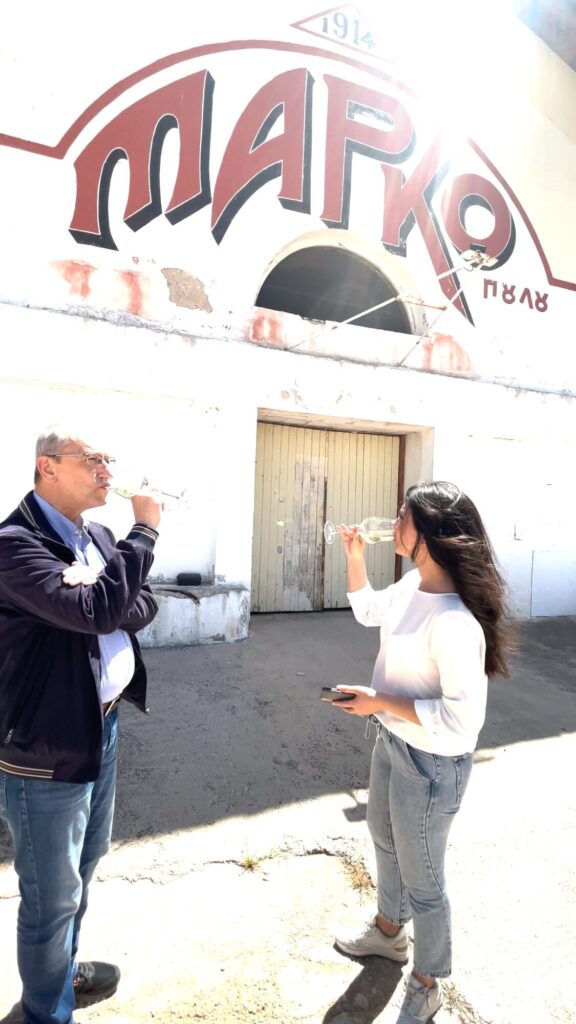
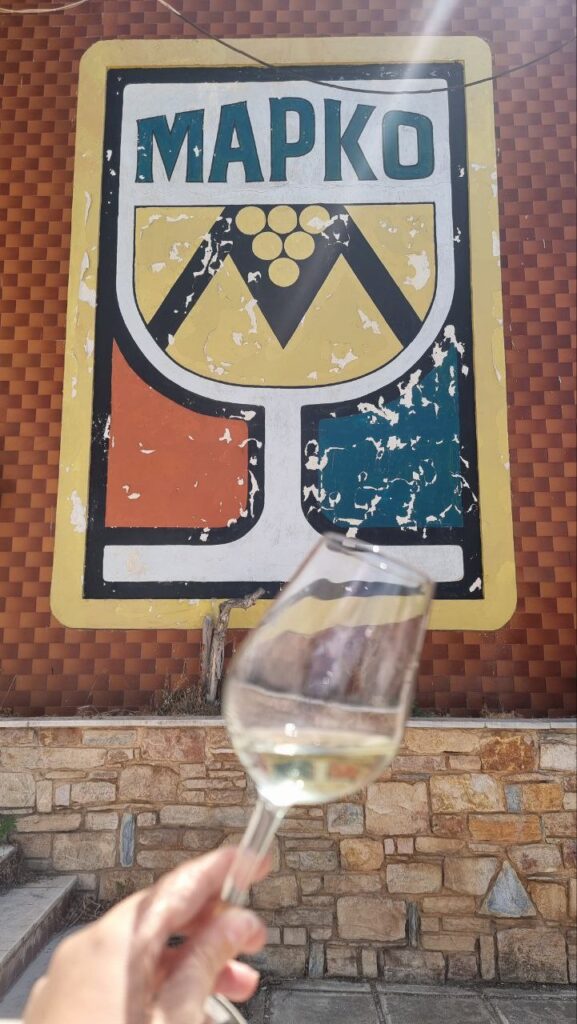
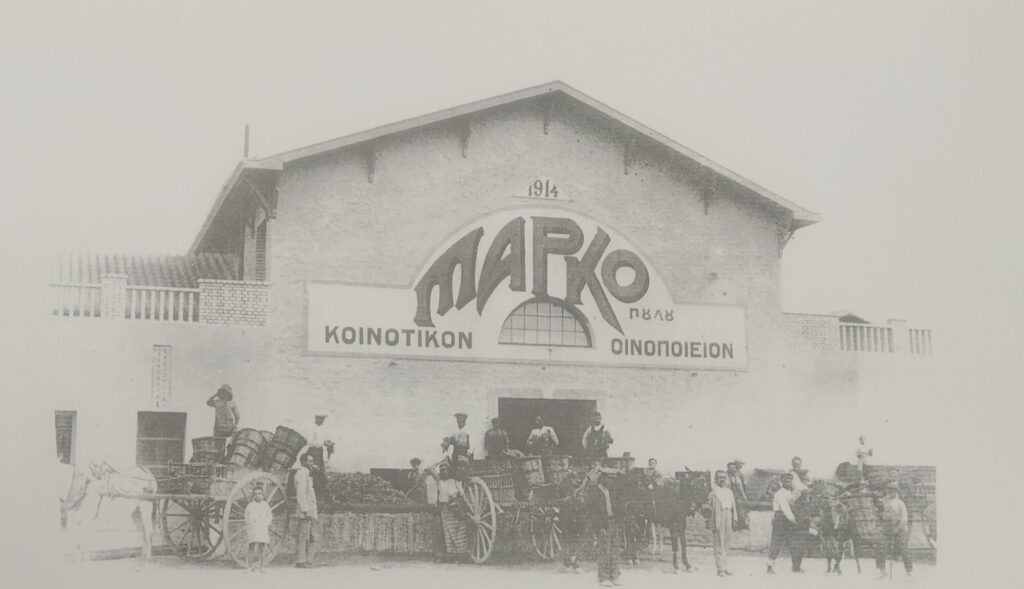
The roots of MARKO reach back as far as 1831, while in 1914 the Community Winery of Markopoulo officially began operations. For decades, its economic activity played a decisive role in the financial, cultural, and social development of the area. Today, surrounded by historic buildings, old signage, and objects of significant heritage value, the cooperative is redefining its presence in the market with new products and ambitious plans.
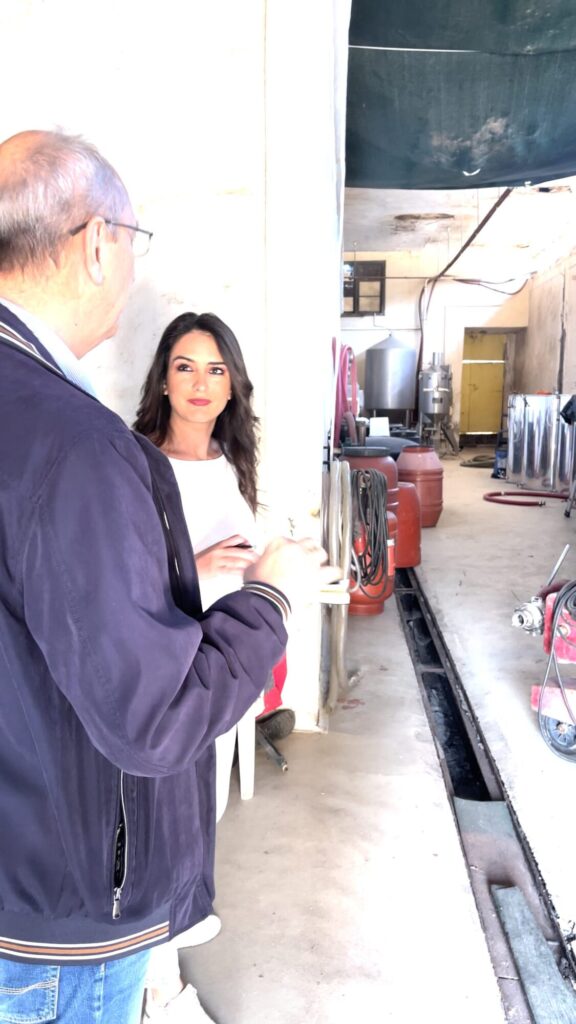
At the heart of this renewed effort stands its president, Kostas Nikolaou, who views the cooperative not simply as a business entity, but as a living continuation of local society.
In essence, MARKO is an informal successor to the dimogerontia—the council of elders that existed in the region during the Ottoman period. The villages of the Mesogeia, including Markopoulo, Paiania, Koropi, Spata, and Kalyvia, formed a communal body that represented local interests whenever necessary. This was not administration in the modern sense, but social self-governance: a collective effort by inhabitants to manage their own affairs.
Although the dimogerontia was formally abolished with the founding of the modern Greek state, the residents continued its operation in practice. Through powers of attorney, they retained rights over communal grazing lands—pastures, fallow fields, and post-harvest plots. These lands were auctioned, and the proceeds funded essential communal projects: roads, churches, and infrastructure.
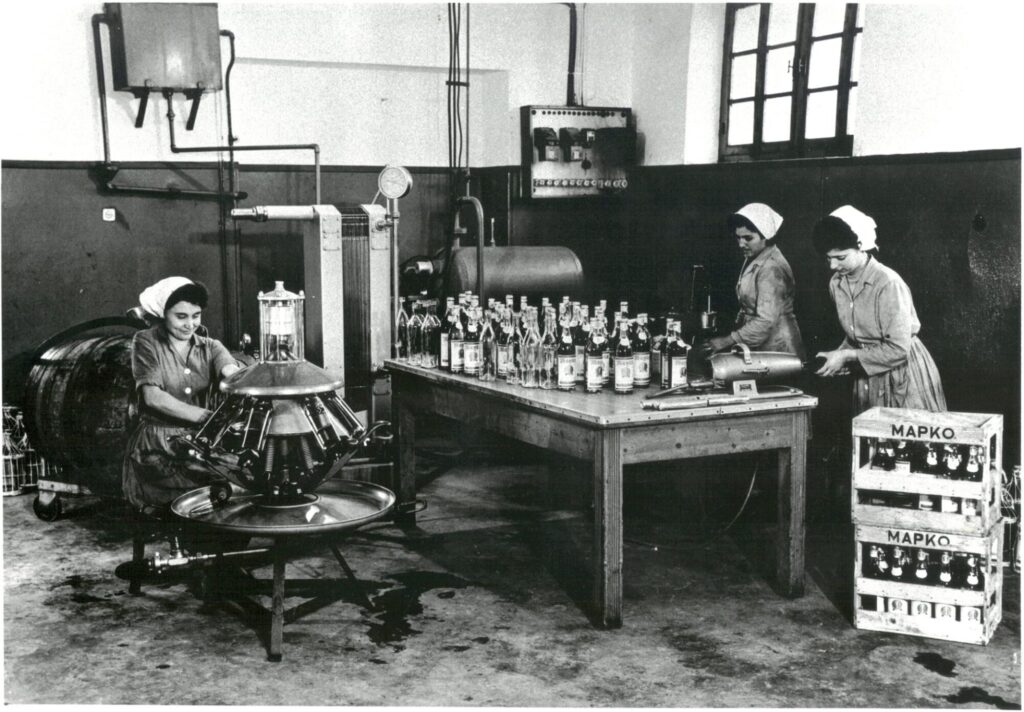
In 1913, this collective entity acquired the land for the construction of the community winery. The first Cooperative Industrial Winery was built by Oinon & Oinopnevmaton S.A. (BOTRYS) under a notarized agreement, and in 1914 it officially began production. That year marked the cooperative’s “first must.” Remarkably advanced for its time, the winery was among the first in Greece to install refrigeration units in the winemaking process. Production increased steadily until 1950, establishing MARKO as a pioneering wine industry.
Beyond wine, the cooperative profoundly improved everyday life in Markopoulo. Among its most significant contributions were the creation of a water supply network and, perhaps most impressively, an independent electricity production system. By 1925, Markopoulo had the capacity to generate electricity—an extraordinary achievement for a rural community of that era.
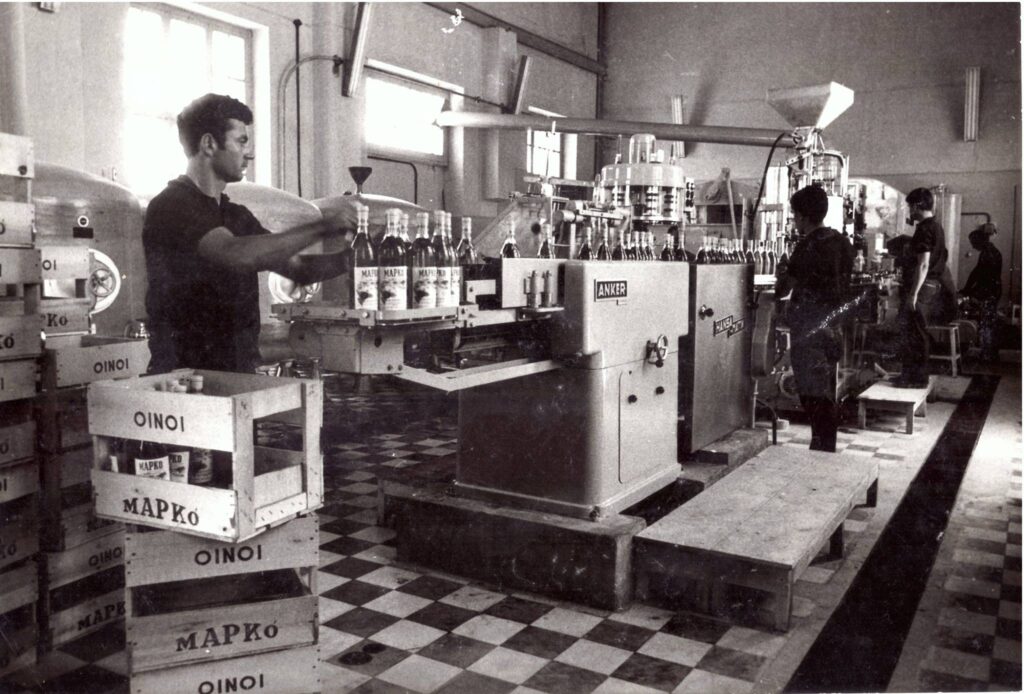
The interwar years marked the cooperative’s golden age. Continuous progress defined all its activities, while commercial distribution was handled in collaboration with BOTRYS until 1951. From that point on, MARKO operated independently under its own name, developing specific products and commercial partnerships with nationwide reach. This continued until 2000, when mounting financial challenges, compounded by the broader economic crisis, forced the cooperative to halt bottling. For several years, activity was limited to must production and vinification.
The decision to return was not easy—but it was decisive. From 2020 onward, MARKO refocused on the local market, and in 2021 it bottled wine in 0.75L bottles once again, marking a symbolic and practical restart.
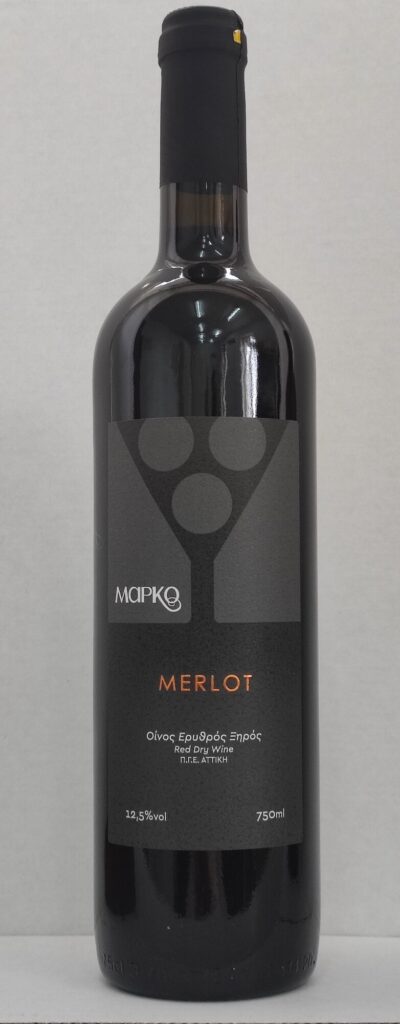
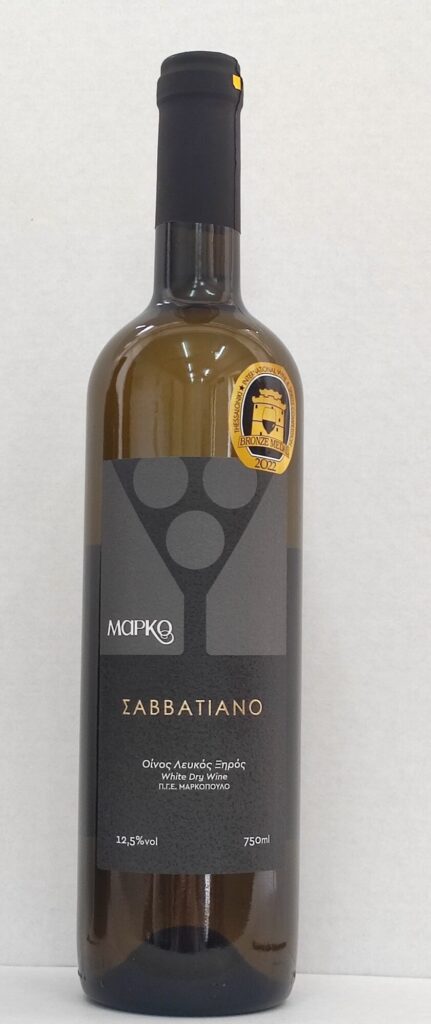
Today, the cooperative produces two core bottled wines: Savvatiano MARKO and Merlot MARKO, sourced exclusively from vineyards within Markopoulo. The Savvatiano selection comes from vines over 50 years old, located in a specific area believed to express the variety at its best. Vinification follows the classic white wine method, with fermentation in stainless steel tanks at controlled temperatures and extended contact with fine lees to enhance texture and complexity.
Attica’s warm, dry climate presents both challenges and opportunities. While yields per hectare remain low, the region requires minimal plant-protection interventions, offering strong potential for organic and low-intervention viticulture. Natural wines—produced with native yeasts and without sulfites—are already being made, highlighting local terroir with impressive results. Plans also include aged wines, matured either in tanks or oak barrels.
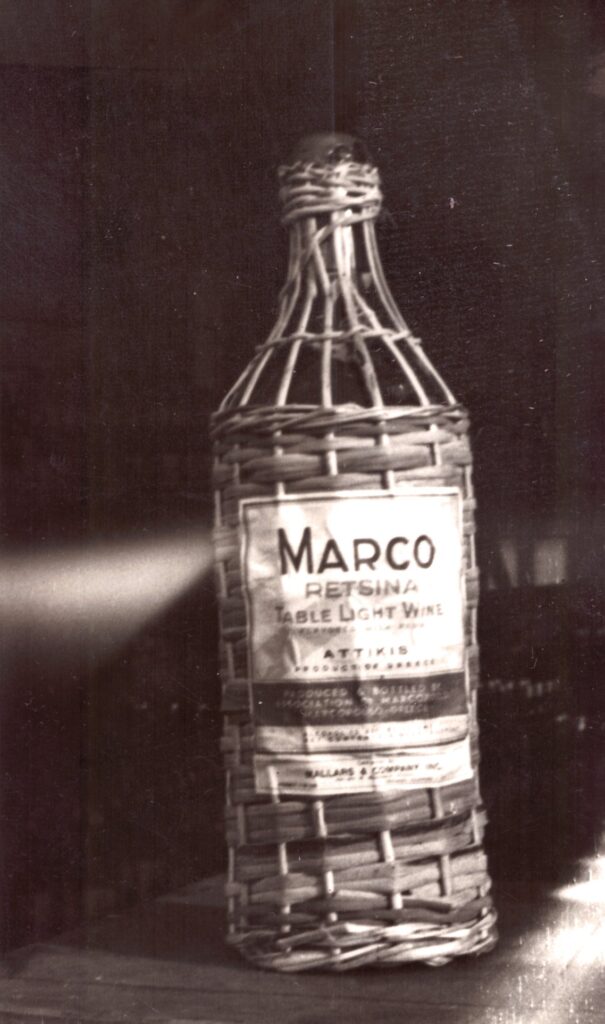
Retsina occupies a special place in MARKO’s future vision. Far from being dismissed, it is seen as a core element of identity. The goal is a retsina where pine resin aromas harmonize with Savvatiano’s character, rather than overpower it. Properly paired with gastronomy and thoughtfully positioned, high-quality retsina can open new paths in both domestic and international markets.
Savvatiano itself has long suffered from misunderstanding. Once undervalued, it is now increasingly recognized for its resilience and potential—particularly when aged on fine lees or in oak. In recent years, Savvatiano wines have received numerous awards in Greece and abroad, including a bronze medal for Savvatiano MARKO 2021 at the 2022 international competition held during the Thessaloniki International Fair.
Markopoulo and the wider Mesogeia form a single yet diverse viticultural zone. Surrounded by sea and resembling the Aegean islands in character, the region is far from homogeneous. Areas rich in limestone and shaped by distinctive microclimates stand out for quality rather than quantity. Thirty years ago, Attica hosted the largest vineyard area in Greece. Today, with yields often below 500 kg per hectare, the only viable path forward lies in wines of high added value.
The cooperative currently manages between 450 and 750 tons of Savvatiano annually, depending on the vintage. While bottling remains limited—around 3,000 to 4,000 bottles—the potential for growth is considerable. Although exports are not an immediate priority, discussions exist, with current focus placed firmly on the Greek market.
MARKO counts approximately 300 members—essentially the entire Markopoulo community, as property ownership confers membership rights. Its facilities span 12 hectares and include the winery, bottling line, tanks, and offices. While not yet open to visitors, plans are underway to create a wine museum for the region, with the long-term goal of making both the museum and winery accessible.
The challenges remain significant. Heavy indebtedness to the former Agricultural Bank has limited flexibility, while sustainability depends on increasing production of high–added-value wines. For MARKO, the priority is clear: Savvatiano first, without excluding other varieties. Indigenous grapes remain the foundation, valued for their resilience to drought and disease.
Retsina, too, is being rediscovered. Once pushed aside in Athens and confined largely to Northern Greece, it is now re-emerging as a powerful cultural and commercial asset. When made with quality and promoted intelligently, retsina has the potential to become one of Greece’s most distinctive export wines.
MARKO’s story is one of continuity, resilience, and collective effort. More than a winery, it remains a reflection of community—a living reminder that wine, in Greece, has always been about more than wine.

Winery Manager: Konstantinos Nikolaou
Compulsory Cooperative “MARKO”, Markopoulo
Tel: +30 22990 22261
Facebook: Synidioktisia Markopoulou