
In the heart of Koropi, on the very same family land where wine has been made continuously since 1875, Nikolou Winery stands as a living bridge between generations. It is not merely a winery, but a family narrative unfolding in real time—one where tradition and evolution coexist naturally, without tension or nostalgia.
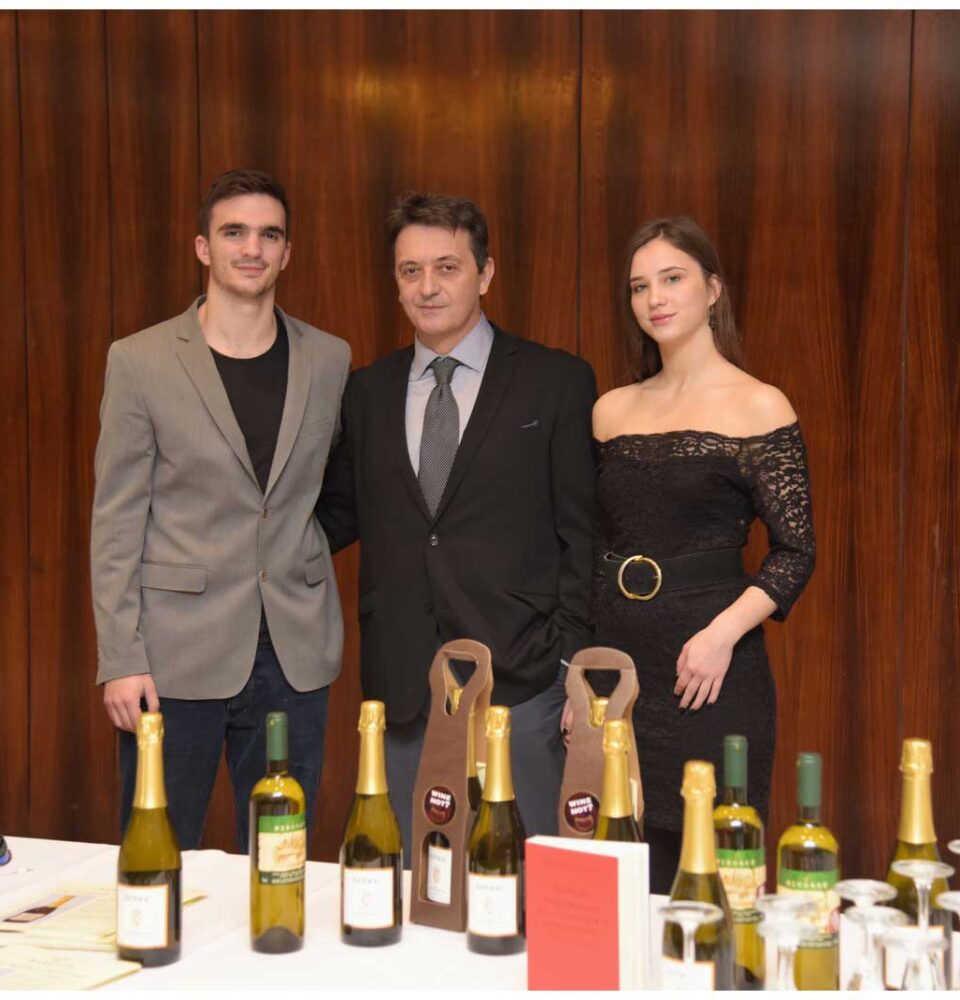
The visit begins not in the cellar, but with hospitality. Mrs. Rania Nikolou welcomes us warmly, immediately revealing her active presence in the daily life of the winery. Shortly after, a short film created by Vasilis Nikolou himself sets the tone. Through images and evocative music, it traces more than a century of family history, arriving at the present moment: Vasilis, his wife Rania Skliri, and their two children, Evangelos and Christina.
Here, the fourth and fifth generations meet—not symbolically, but practically.
For Vasilis Nikolou, the path was never in question. Born into winemaking, he experienced both the deeply traditional practices of the past and their gradual transformation through modern oenological science. He describes the present as a transitional phase: one in which inherited experience adapts to contemporary technology, without losing its soul.
His son, Evangelos Nikolou, arrived at the same destination by a different route. While he considered many options in his youth, none carried real passion—until the moment of choice came. He opted for oenology at the Agricultural University, almost intuitively. The decisive turning point came during his first year of studies, on a trip to Alsace with his father. Visiting wineries larger, smaller, and similar to their own, he was struck not only by the wines, but by the confidence with which the French presented their identity. The thought came naturally: why not us? That was the beginning of his own professional awakening.
A father–son collaboration inevitably carries friction—made sharper here by differing scientific backgrounds: chemist and agronomist. Yet this friction is productive. Vasilis speaks openly about moments when he insists on a view, only to step back and allow his son to challenge it. Sometimes Evangelos proves him wrong; sometimes the opposite happens. What matters is the synthesis. From different ways of thinking, new ideas emerge. Pride, here, is mutual.
At the core of Nikolou Winery lies one grape variety above all others: Savvatiano. For Vasilis, it is a variety of remarkable phenolic quality, perfectly adapted to the Mesogeia microclimate. Its natural resistance and ripening potential allow it to produce both age-worthy wines and wines of minimal intervention.
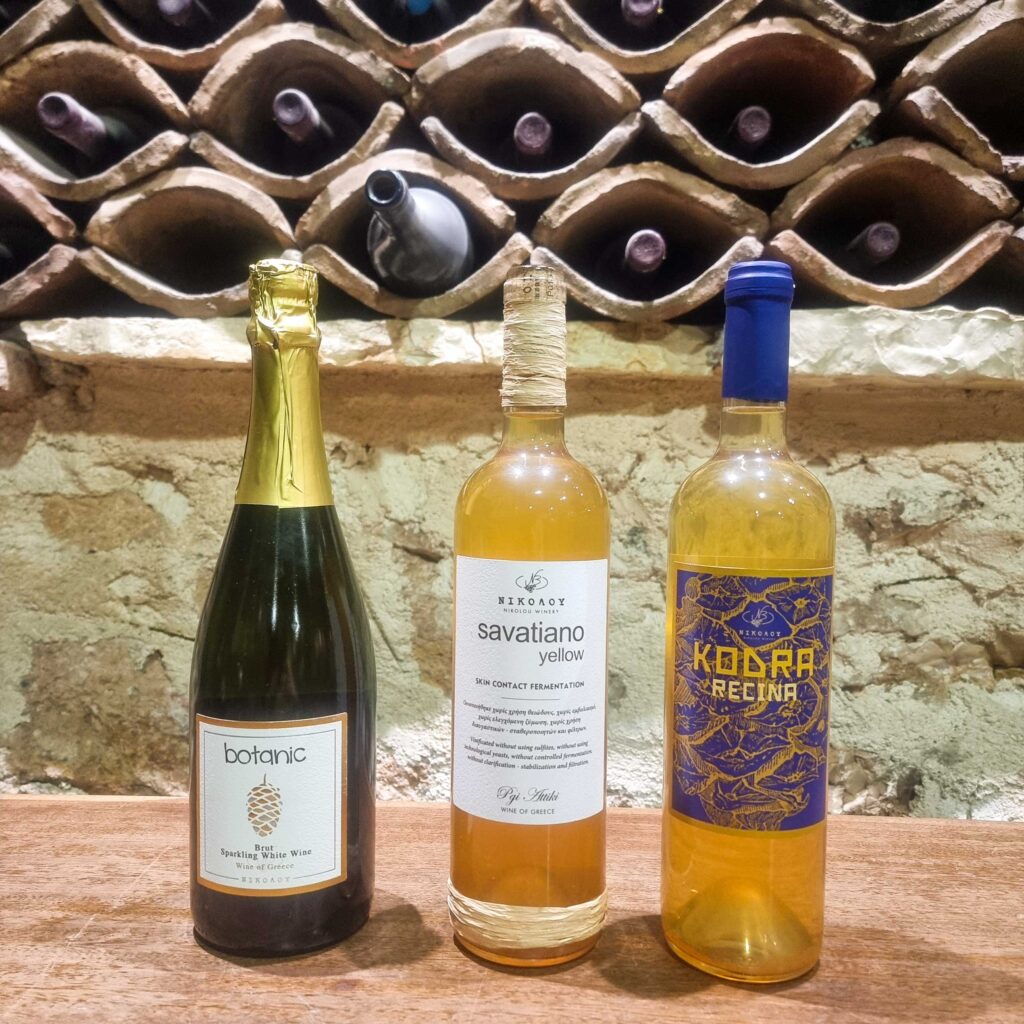
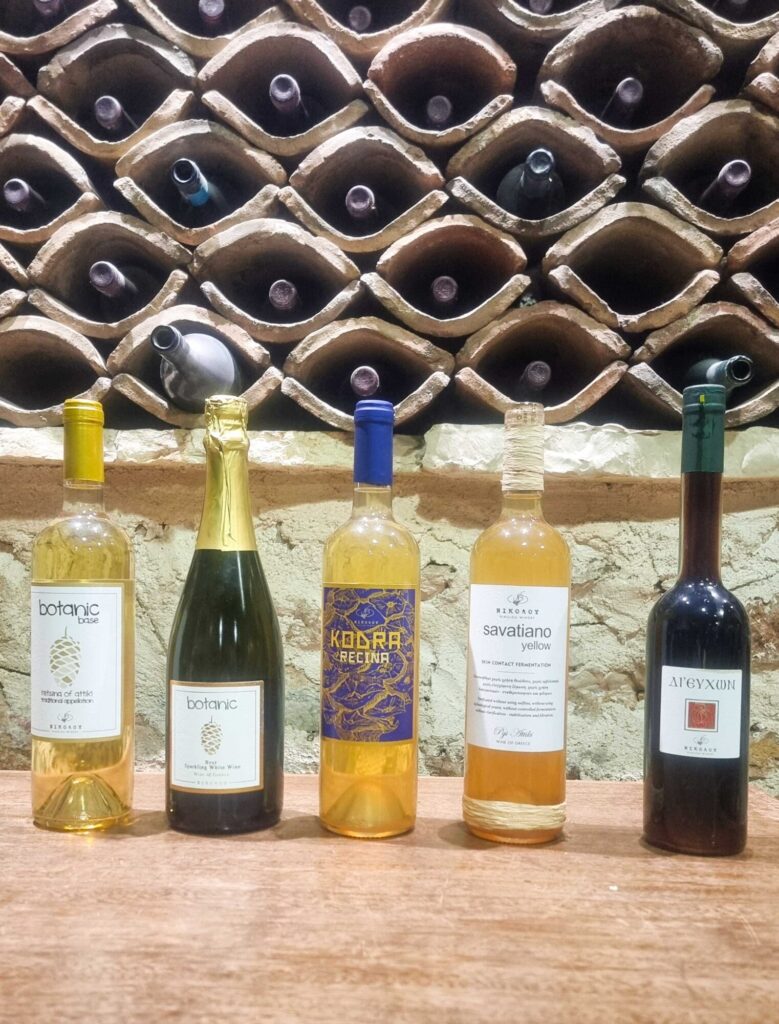
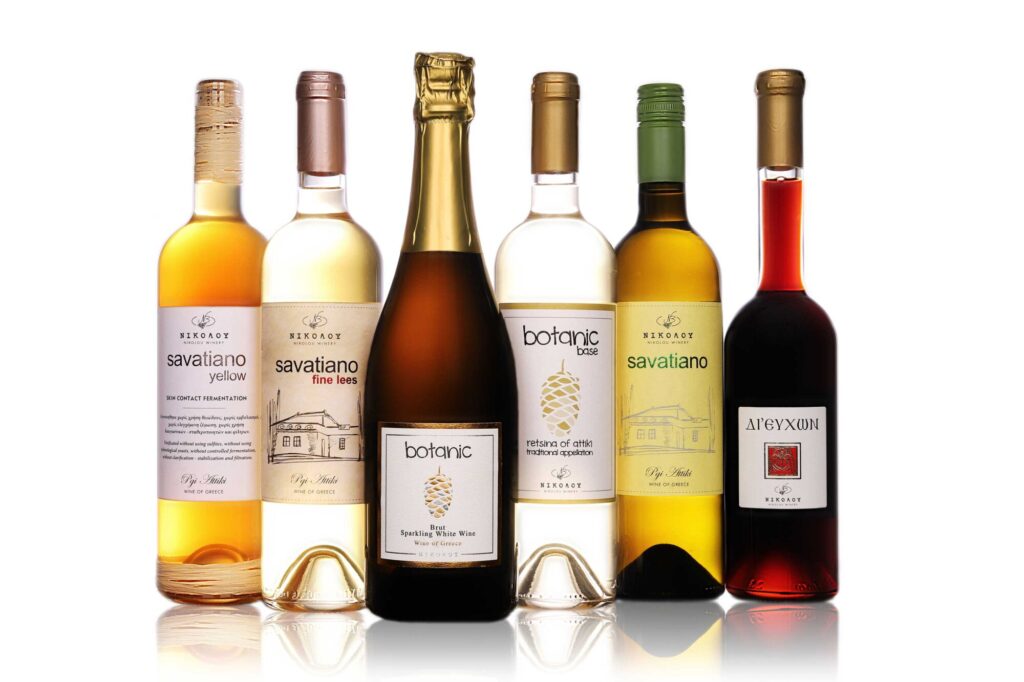
Wines such as Savvatiano Yellow and Kodra Retsina exemplify this philosophy. Made without added sulfites, commercial yeasts, or corrective oenological practices, they express the grape’s natural maturation. Bottling is done without fining or filtration. Building on Savvatiano’s ability to evolve organoleptically in bottle, the family created Savvatiano Fine Lees, aged on its lees for at least one year and bottled with minimal intervention.
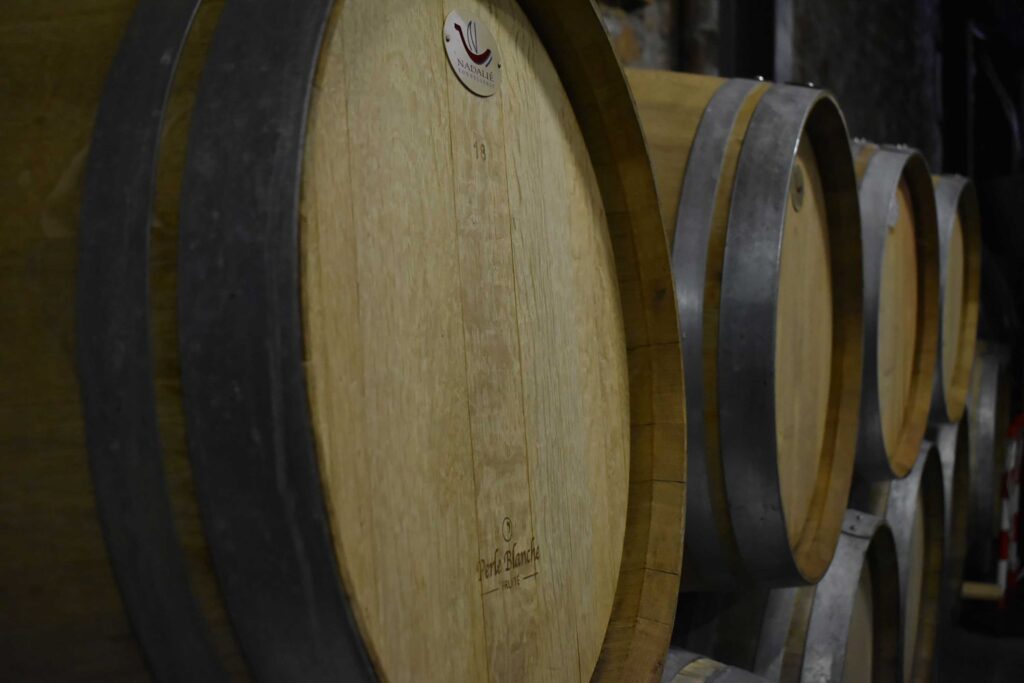
Another deeply rooted expression is the sweet wine Di’ Efchon, a revival of a traditional Mesogeia practice. Long ageing in oak barrels gives it remarkable depth, with aromas of caramel, butter, chocolate, nuts, and dried fruit. Concentrated yet low in alcohol, it requires extraordinary raw material—seven to eight kilos of grapes to produce a single kilo of wine. Traditionally used for Holy Communion, it ferments in multi-use French oak barrels and matures through an accelerated ageing method.
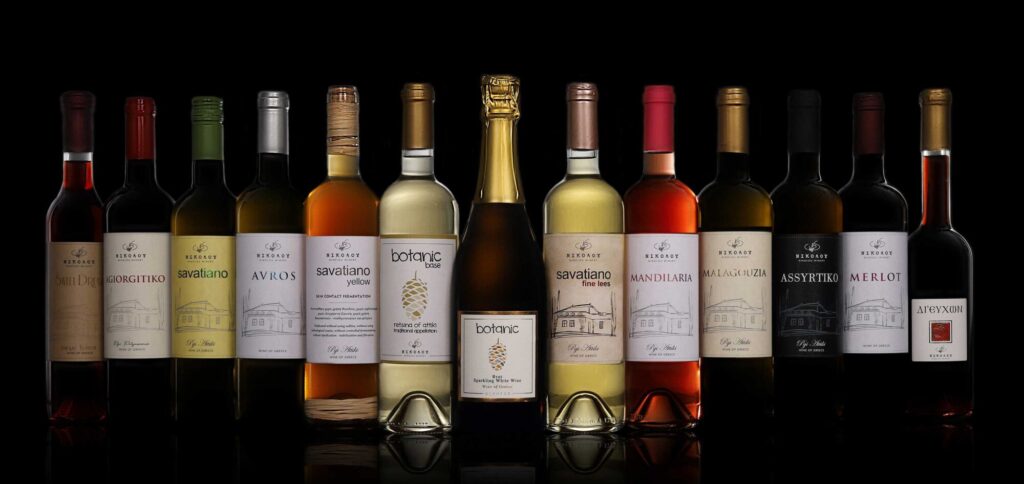
In total, Nikolou Winery produces thirteen labels. Twelve are made exclusively from Greek varieties, seven of them Savvatiano. This is a conscious stance. Evangelos is clear: Greek varieties carry the added value that truly differentiates Greece in international markets. Each wine is single-varietal—one grape, one label. Blending, while respected as a demanding technique, is avoided here in favour of clarity and varietal identity.
Experimentation plays a central role. Some of the winery’s most distinctive wines were born by chance. Savvatiano Yellow, for instance, originated from a forgotten small tank hidden beneath the press in 2017. When rediscovered, its structure and character were striking. What began as accident became intention. Barrel ageing was introduced the following year, and each bottle now carries a hand-placed blade of grass at its neck and base—echoing the traditional material once used to bind graft unions during replanting.
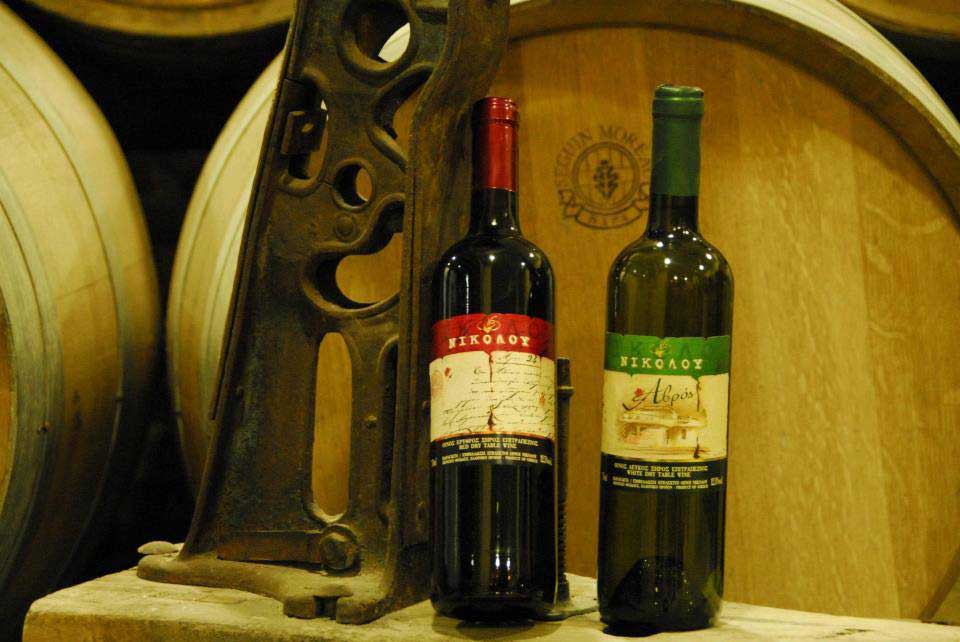
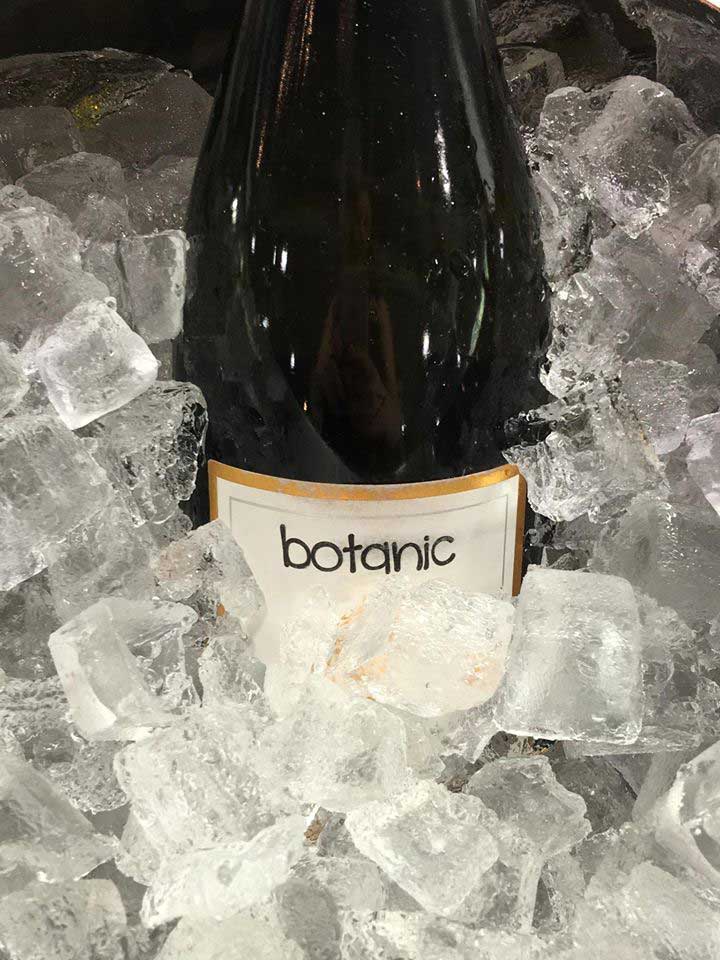
Personal preferences reveal character. Evangelos speaks fondly of Avros, made from Muscat of Alexandria, as a wine he can enjoy at any moment. Among Savvatianos, his favourites are Botanic—reflecting his love for sparkling wines—and Kodra Retsina, his first wine as a winemaker. Kodra, an Arvanitika word meaning “hill,” refers to a toponym in Agia Marina, Koropi—once renowned for pine resin production. Today, only traces of a Hellenistic fortification remain, the forest lost to past fires. The name becomes both geography and memory: the hill of retsina.
On the subject of natural wines, Vasilis approaches the discussion with nuance. Absolute non-intervention, he notes, is a myth—left entirely alone, wine becomes vinegar. The role of the oenologist is not to dominate, but to extend the wine’s life. Through experience and Savvatiano’s natural resistance to oxidation, the family aims to produce wines that require no corrective intervention and evolve gracefully over time.
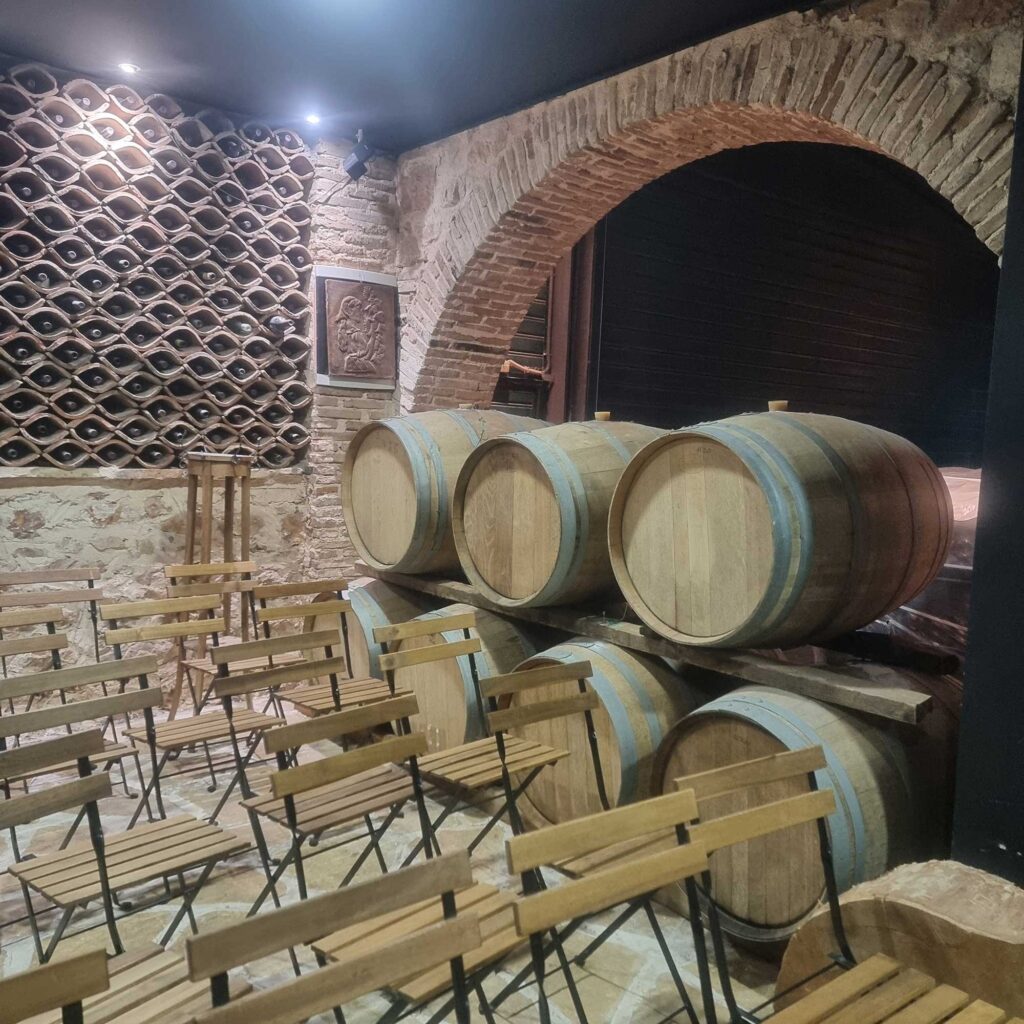
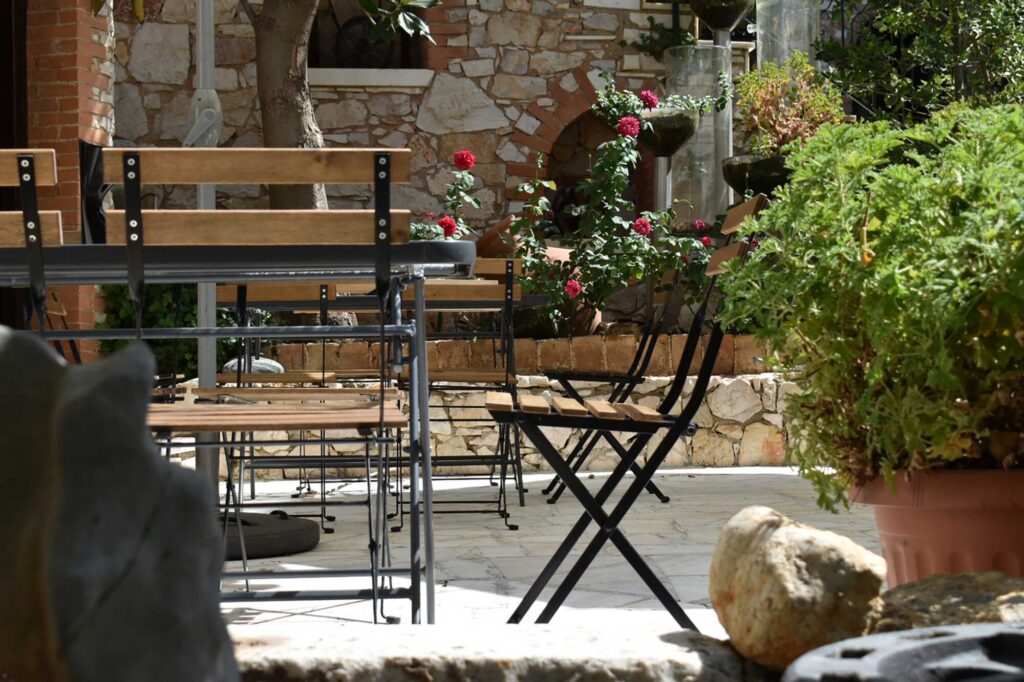
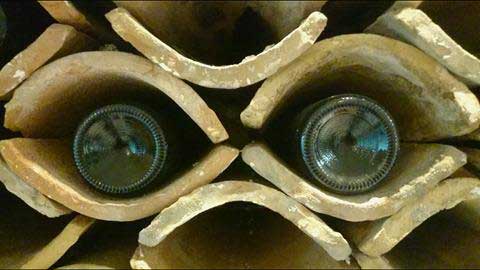
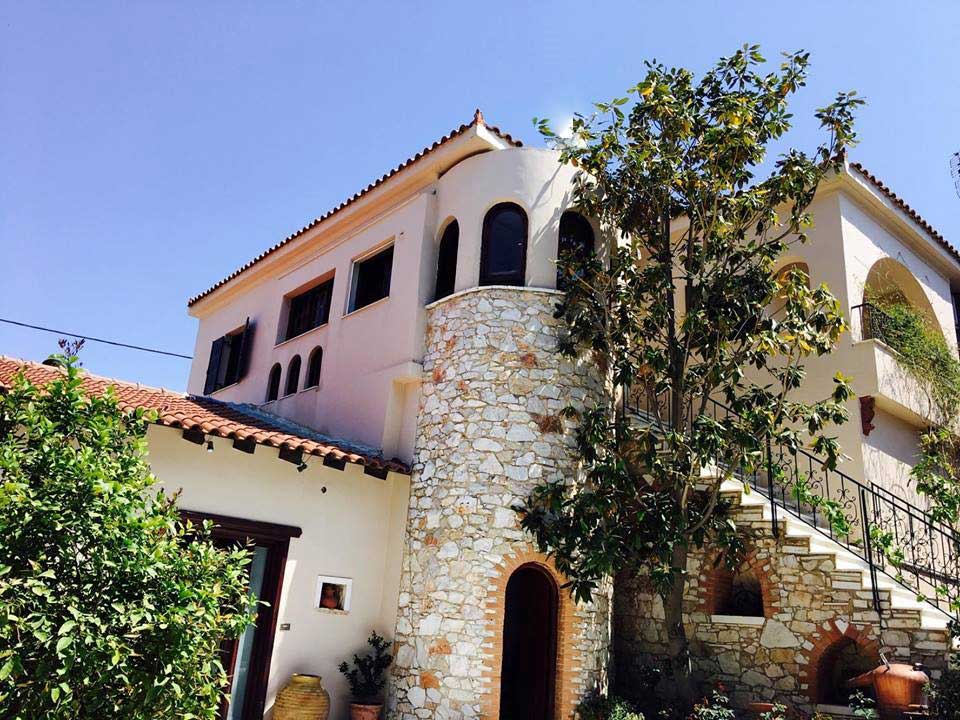
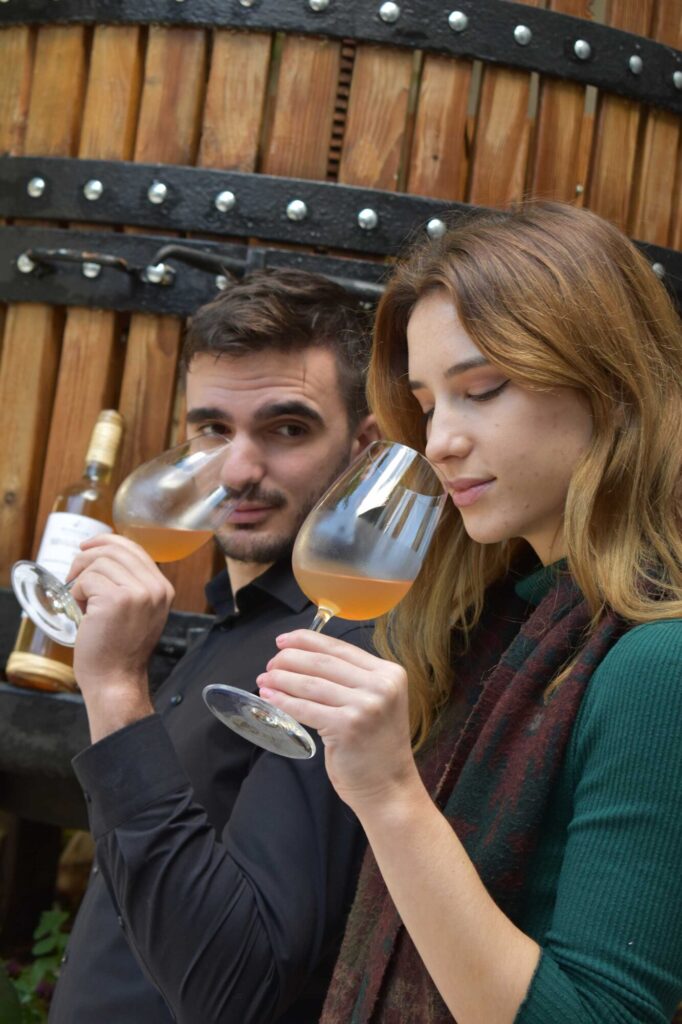
The physical space mirrors the philosophy. The winery preserves its traditional folk architecture: stone walls, large arches, and a sense of continuity that carries visitors backward through time. During harvest and vinification, guests can tour the production areas and experience the process at its most authentic. Tastings follow in a dedicated room where wine becomes narrative.
Recognition has followed naturally. Among numerous awards, the winery was named Best Winery in Europe 2018 by CEUCO at the 16th Gastronomy & Oenology Congress.
At Nikolou Winery, wine is not a concept—it is lineage, dialogue, and evolution. Between the fourth and fifth generation, the future is already fermenting.

Contact Information
Contact: Vasilis Nikolou – Evangelos Nikolou
Nikolou Winery
Nik. Ntouni 8, Koropi 19441
Tel: +30 210 602 0775
Email: info@nikolouwinery.gr
Website: www.nikolouwinery.gr