
Contributor: Konstantinos Chatzimitakos

About two years ago, while attending one of London’s largest annual tastings, I found myself in conversation with two French winemakers, discussing their wines. When the subject turned to élevage and I asked what percentage of the wine had been matured in oak barrels, I still remember the phrase that followed:
“Oak is a nightmare!”
—or, in Greek, “Η δρυς είναι εφιάλτης.”
Of course, it was said with humour. But if we look a little deeper, that playful remark opens up a very real discussion about the use of oak in winemaking—especially during maturation. And by the end, we may even understand why some of the world’s most renowned producers hesitate between seeing oak as a nightmare… or as true artistry.
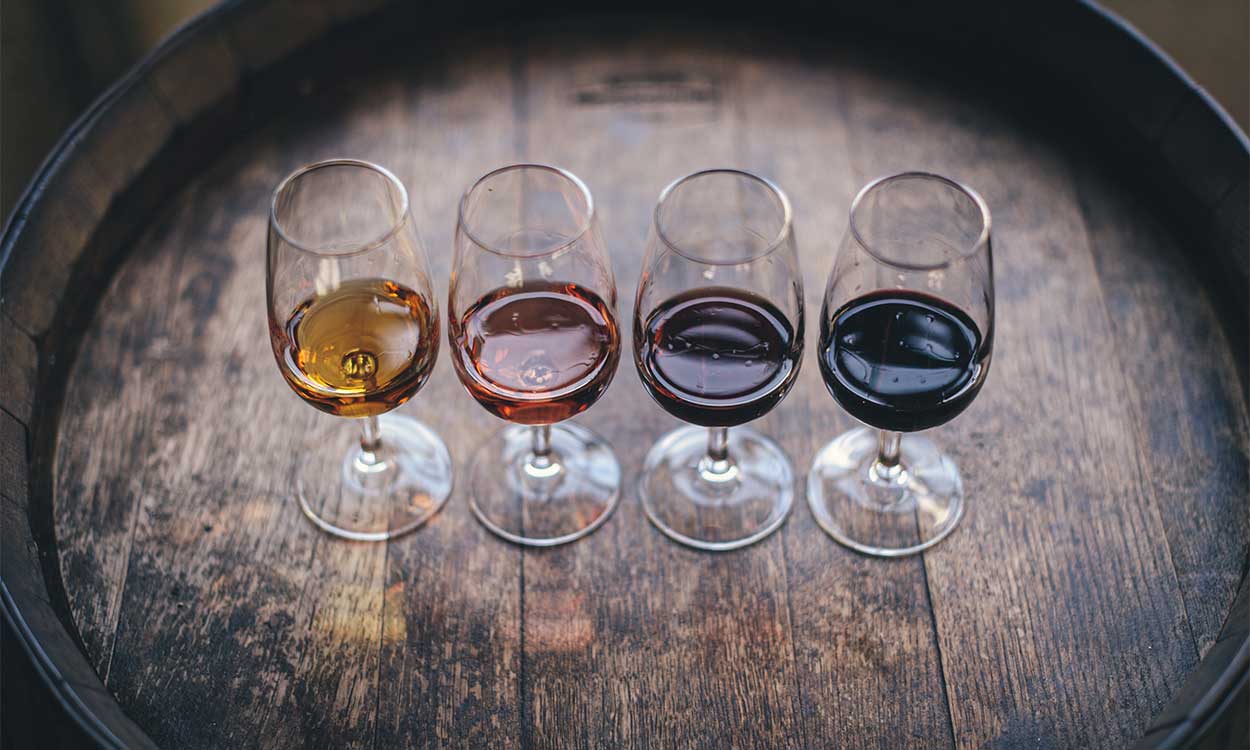
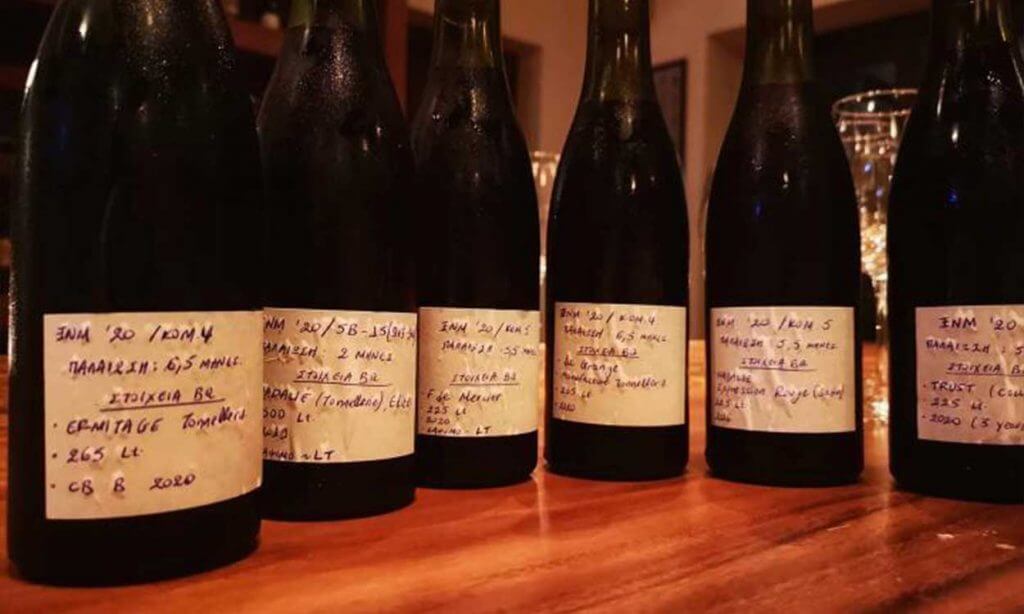
Recently, we tasted barrel samples from a highly respected Greek producer—wines still in the middle of their maturation journey. We compared different lots “resting” in different types of barrels. Because the variables are countless and the outcomes diverse, this article will explore the impact of oak in a broader, more general framework.
Why Oak?
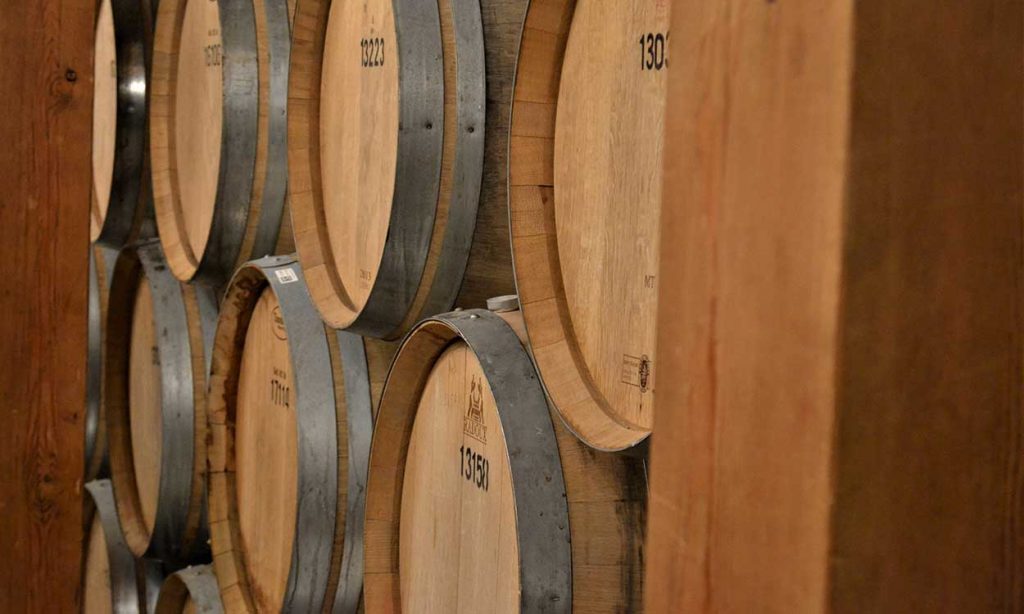
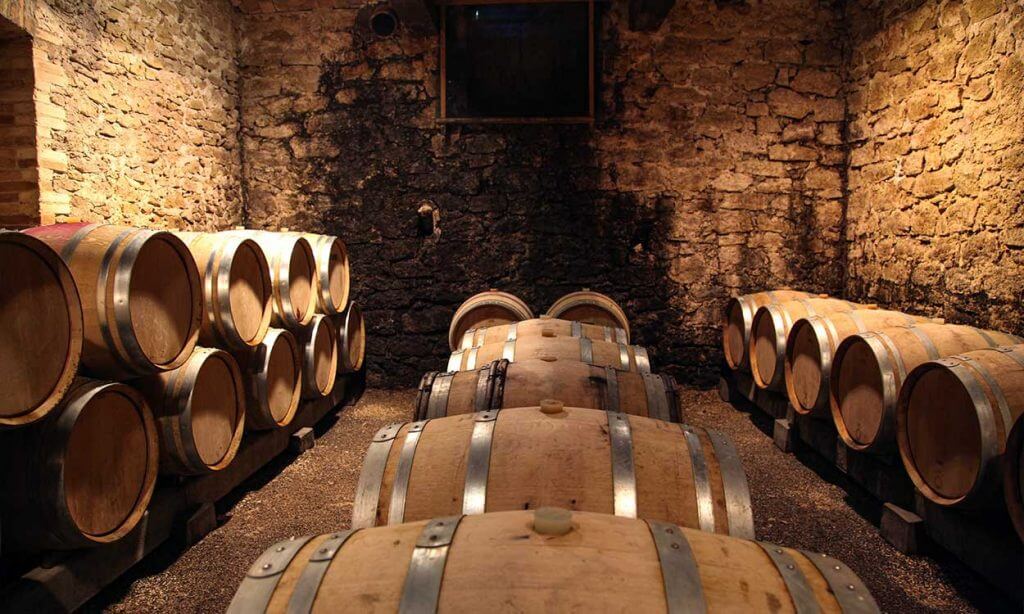
Oak is the most common wood used for wine storage and maturation vessels in wineries. This is largely because it can be shaped into barrels relatively easily, the resulting vessels are watertight, and—under certain conditions—it can contribute desirable aromas that suit specific wine styles.
For example, vanillin, the compound responsible for the signature vanilla aroma found in many wines, derives from maturation in new oak barrels over a certain period of time.
In addition, most wooden vessels allow a small amount of oxygen to pass into the wine—either through the staves or via the bung. Oxygen can soften tannins in red wine, build complexity by developing tertiary aromas, influence colour evolution, and—if exposure is excessive or prolonged—ruin the wine entirely. In aromatic, delicate white wine styles, for instance, oxygen is typically something the winemaker seeks to minimise as much as possible.
With that in mind, the factors that differentiate oak vessels—and dramatically change their effect—include:
- The size of the vessel
- The production process
- The origin of the oak
- The age of the barrel
- The time the wine spends inside it
1) Vessel Size
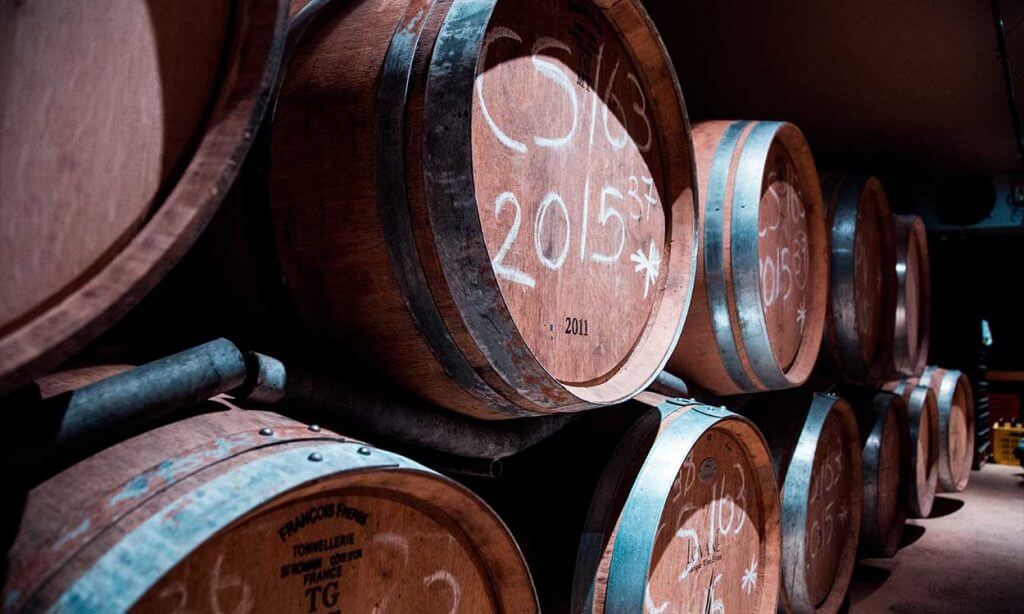
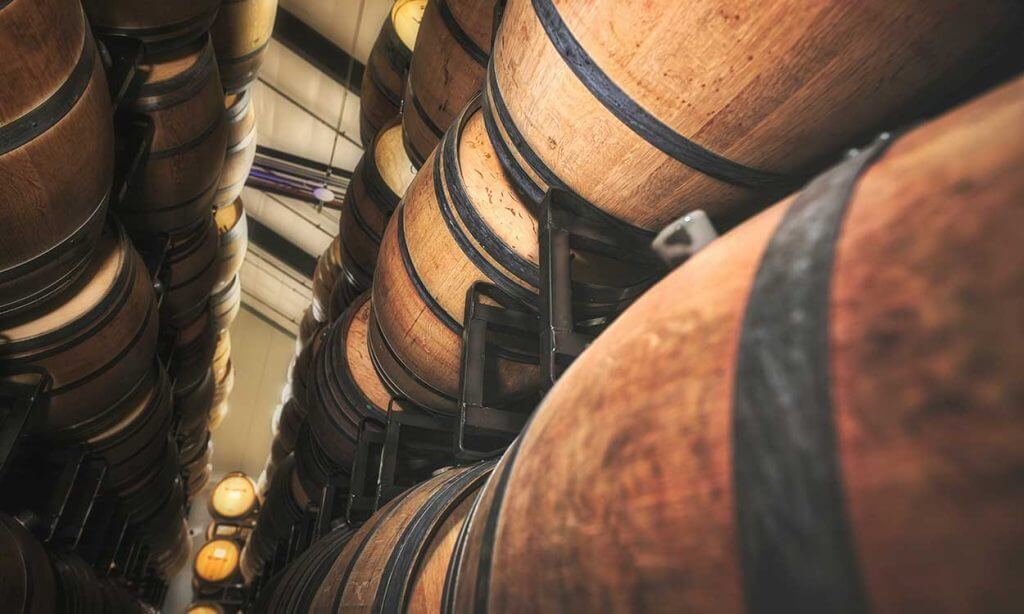
Oak barrels come in many sizes, ranging from “small” French 225-litre barriques to very large formats holding 6,000–8,000 litres, often used in regions such as Alsace.
As a general rule:
the smaller the barrel, the greater its impact on the wine, both in terms of oak-derived aromatics (especially in younger barrels, as we will see below) and oxygen influence.
This is pure physics: smaller barrels have a higher surface-area-to-volume ratio, meaning more wine is in contact with wood relative to the amount of wine inside. Larger barrels have a lower ratio, therefore a gentler aromatic footprint and a slower oxidative effect.
Does this mean all “great” wines must be made using small barrels?
No—because oak aromatics and oxygen influence are not desirable in all wine styles. But does it mean that many top-tier wines—especially reds (and certain whites such as grand white Burgundies)—use a significant proportion of wine fermented and/or aged in small barrels?
Absolutely.
2) The Barrel-Making Process
Before oak barrels are ready for use, their production involves wood seasoning and toasting.
Oak staves are typically left outdoors for 2–3 years to reduce moisture levels and enhance certain aromatic compounds—some of which can express as clove-like notes once in contact with wine.
Then comes toasting, where the staves are heated over fire so they can bend and form the barrel shape. The duration and intensity of this process define the toast level.
Aromas linked to toast include spices, caramel and roasted nuts, and they become more pronounced in barrels with higher toast levels.
This gives the winemaker a powerful tool: selecting specific barrels—or combinations of barrels—with different toast levels to shape the desired sensory outcome for each batch.
3) Oak Origin
Oak barrels are typically made from either:
- European oak (often French, but also Hungarian, Russian, Croatian)
- American oak
One key difference is that European oak tends to contribute more tannins, while American oak contains higher levels of lactones, which can impart coconut-like aromas to wine.
As a result, American oak is often described as more “aromatic” in a sweeter, more obvious way, while European oak can feel more structural and tannin-driven.
Beyond this, subtle differences exist between oak species and even between forests within the same country. Some producers are so precise that they select barrels from a specific forest—or even from specific trees.
Ultimately, origin is chosen based on the style of wine the winemaker intends to create.
4) Barrel Age
While oxygen transmission is a shared characteristic of both new and old barrels, oak-derived flavour extraction is primarily a feature of new barrels.
A new oak barrel can release roughly 50% of its aromatic compounds in its first year of use. By the fourth year, its aromatic contribution becomes minimal to negligible (though oxygen exchange continues).
For a wine to withstand high levels of oak influence without losing balance—or having its varietal and terroir identity completely covered—it must have exceptional fruit quality and concentration.
This is precisely why many of the world’s great wines use a high percentage of new oak in the final blend: they can support it.
A winemaker will decide whether to use new oak, older oak, or a combination, and in what proportions, depending on the target style.
5) Time in Barrel
In broad terms, the longer a wine stays in barrel, the greater both:
- the extraction of oak aromas
- the cumulative effect of oxygen exposure
However, this also depends on other parameters such as barrel age, cellar temperature, humidity and more.
Different compounds become dominant at different stages of élevage. Some wines may spend six months in barrel, while others remain for years before release. Once again, the decision comes down to the winemaker and the style they aim to achieve.
Conclusion: Nightmare or Art?
As we’ve seen, there are so many choices a winemaker must consider when working with oak—choices that are often visible only in the winemaker’s mind until the wine is finished and tasted.
The mission is difficult. It can succeed brilliantly, come close—or fail.
There is no guaranteed formula for greatness. And that, perhaps, is the magic of it all.
There is always the next harvest.
After examining all these factors, my conclusion on whether oak is a nightmare or true art is simple:
I agree with my French friends—completely, on both counts.