
One of the world’s most renowned spirits, whisky is essentially a barrel-aged distillate of cereals. While the Irish were the first to produce whisky—and continue to craft exceptional examples—the country that ultimately fused its name with the spirit is Scotland.
To truly understand the differences between whiskies, one must first explore how its two fundamental styles are produced: malt whisky and grain whisky.

Production
Malt Whisky
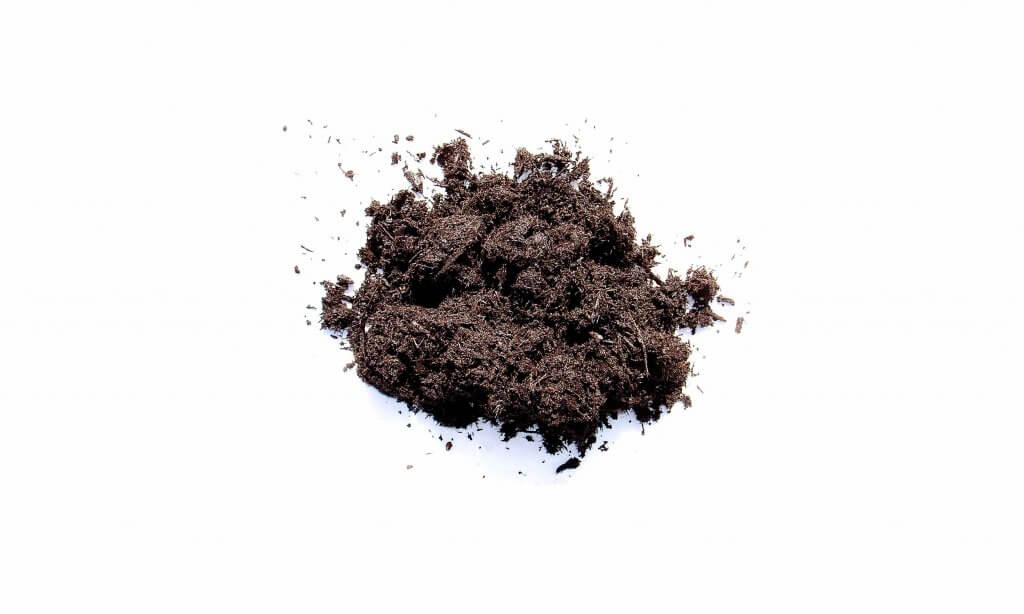
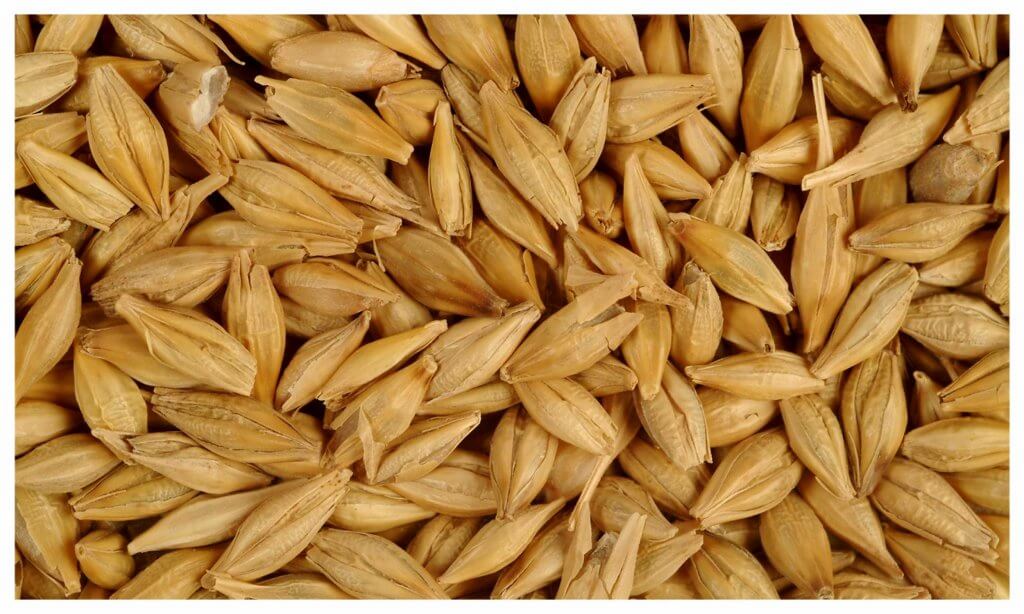
The sole raw material used is barley—and nothing else. After harvesting, the barley undergoes malting: it is soaked in water, allowed to germinate, and then dried. During this final stage, peat may be used as fuel, imparting the whisky’s characteristic smoky profile.
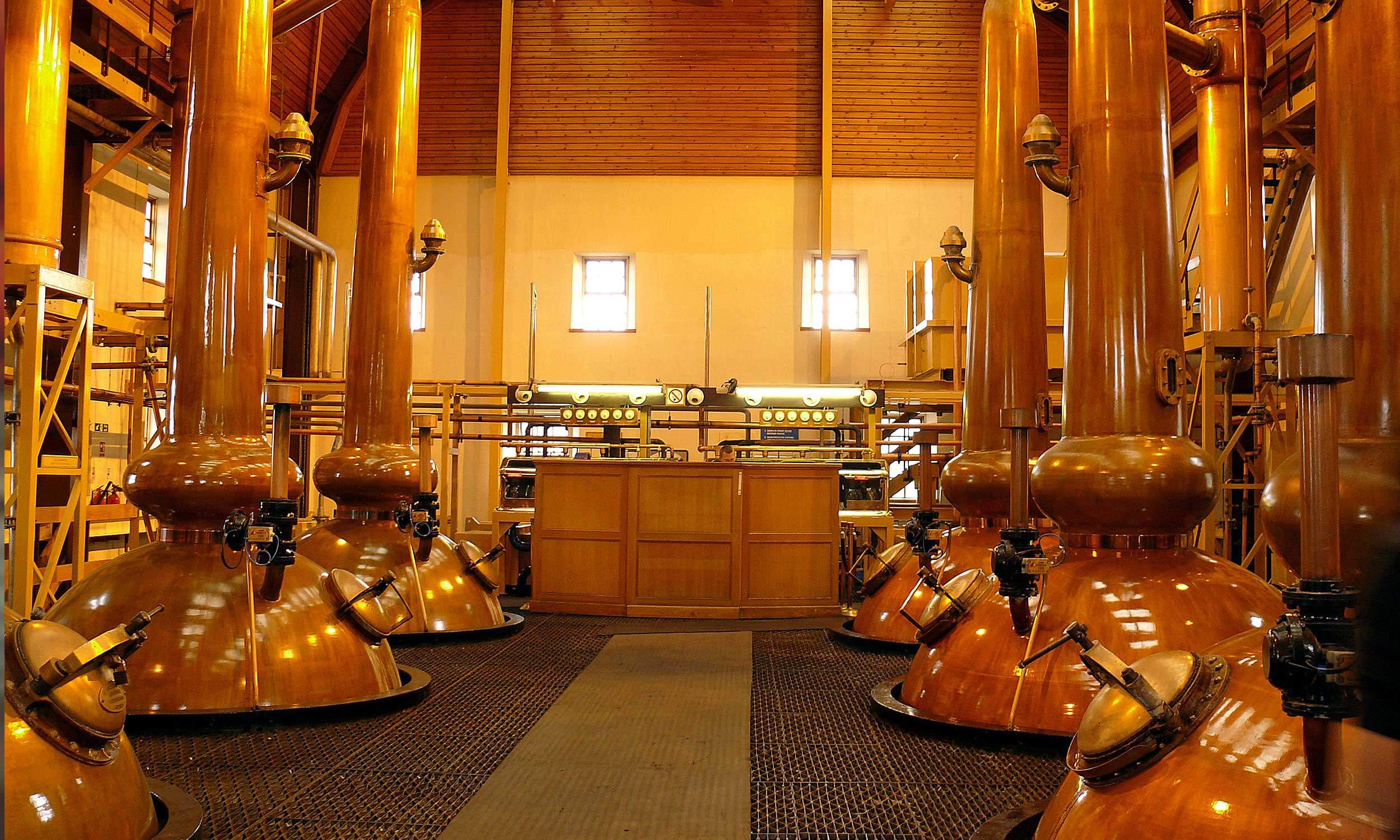
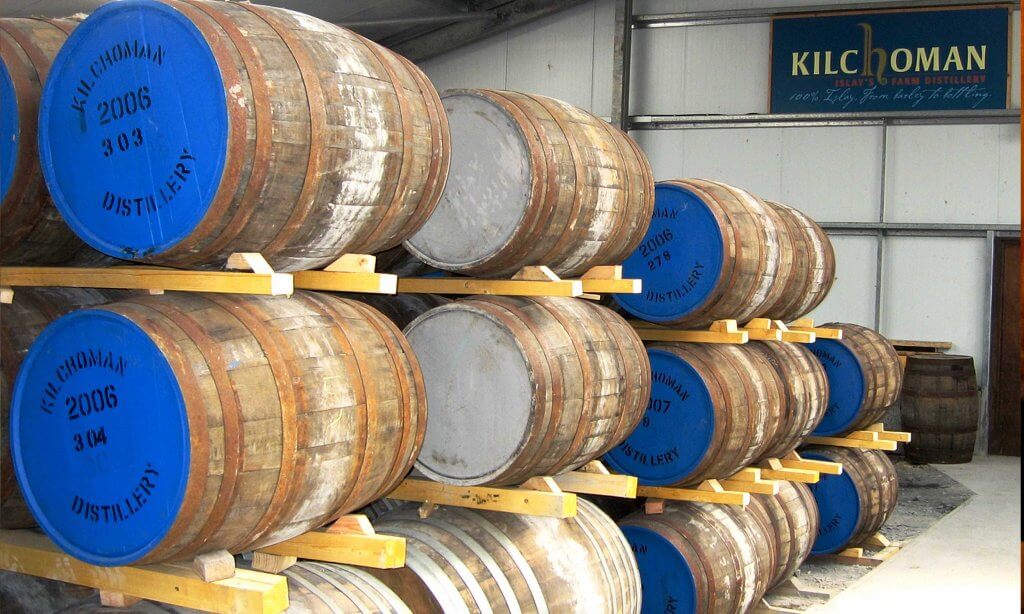
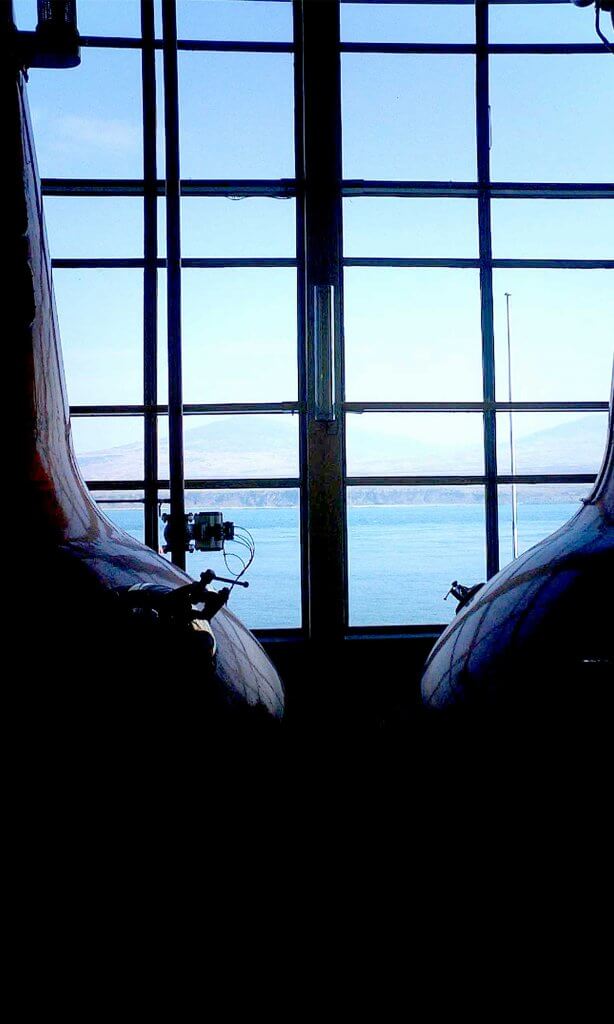
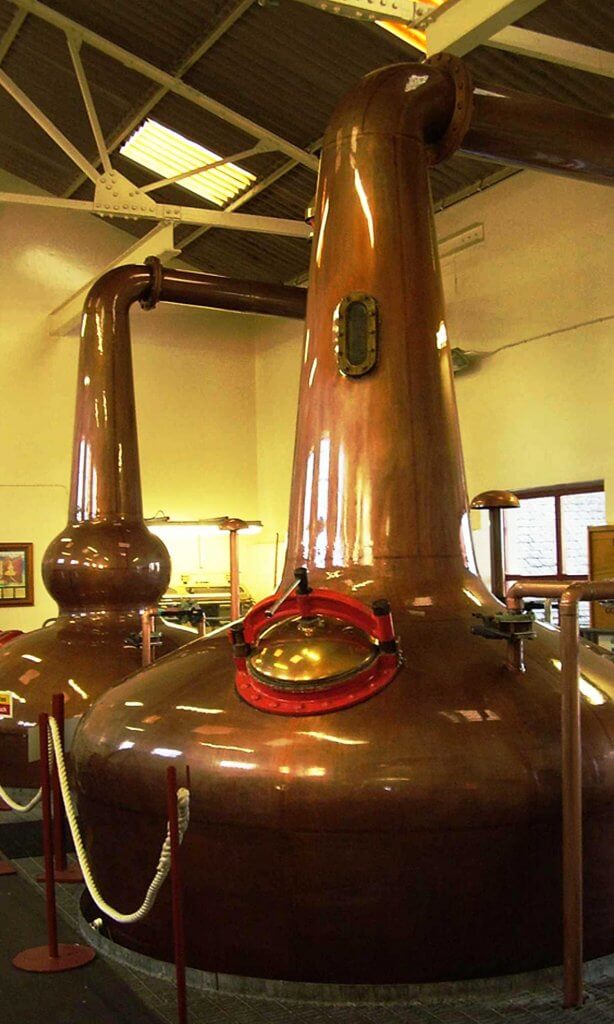
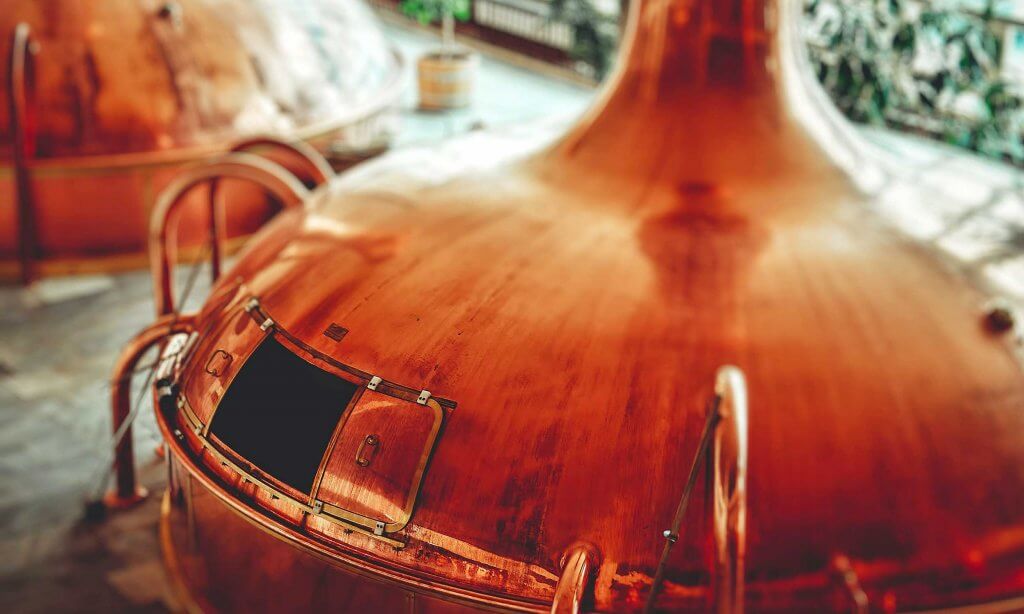
The malted barley is then milled, mixed with water, and fermented into a mash. Distillation follows—typically twice in copper pot stills. The resulting spirit must then mature for a minimum of three years, in oak casks that are required by law to be located in Scotland.
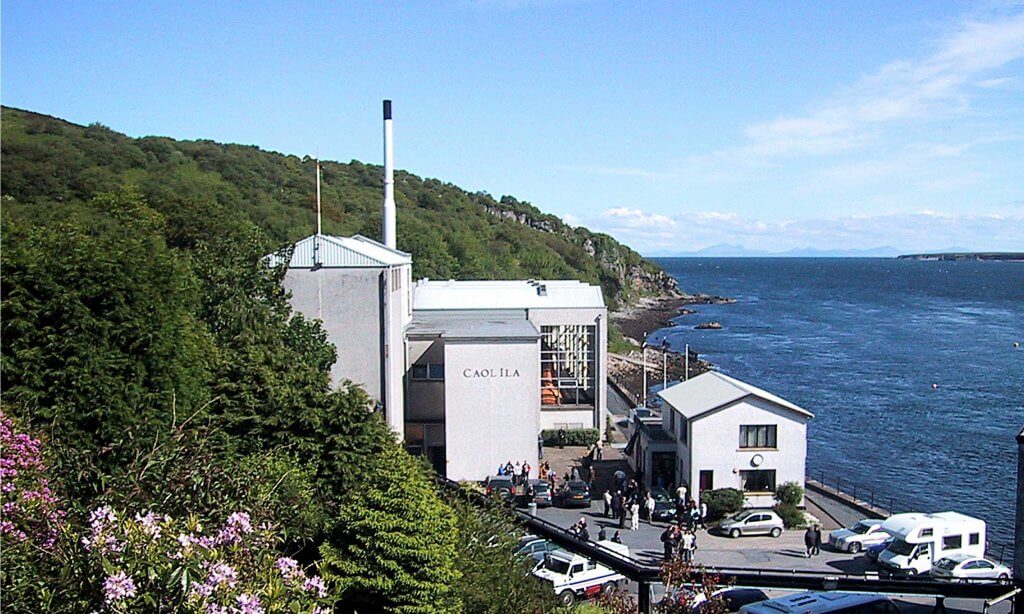
Today, there are approximately 130 distilleries in Scotland producing both malt and grain whisky.
Grain Whisky
Grain whisky is made primarily from corn (maize) and other cereals. Unlike malt whisky, it does not undergo malting. Instead, distillation takes place in continuous (column) stills.
At this stage, the distillate is virtually indistinguishable from neutral spirits such as vodka. It then undergoes barrel maturation for at least three years.
There are currently seven grain whisky distilleries operating in Scotland.
Whisky Categories
From the above production methods arise the two core categories of Scotch whisky:
Single Malt Whisky
Single Malt Scotch is produced exclusively from malt whisky distilled at one single distillery. It expresses the unique character of that distillery, shaped by variables such as:
- Use (or absence) of peat
- Shape and size of the stills
- Type of casks
- Water source
- Condensation method
- Local maturation environment
The distillery name is always stated on the bottle. Notably, only about 10% of each distillery’s production is bottled as Single Malt.
Single Malts often share common characteristics based on their geographic origin:
- Lowlands: Light-bodied malts with delicate, fruity profiles from southern Scotland.
- Speyside: Smooth, honeyed, and approachable malts from the northeast—the heartland of Scotch whisky.
- Islands: Intensely smoky and maritime whiskies from islands west and north of mainland Scotland.
- Highlands: A broad style combining the ruggedness of island malts with the sweetness of Speyside, produced across central and northern Scotland.
Blended Whisky
Blended Scotch whisky is created by combining grain whisky with various malt whiskies. The grain component contributes smoothness and drinkability, while the malts add aromatic depth and flavour complexity.
Distillery names do not appear on the label. Instead, the bottle carries a brand name. Iconic examples include Johnnie Walker, Ballantine’s, Cutty Sark, Chivas Regal, Dimple, Haig, J&B, Dewar’s, and Grant’s.
Some of these brands also produce Pure Malt (or Blended Malt) whiskies, made exclusively from a blend of Single Malts—without any grain whisky.
Given their accessibility and consistency, it is easy to see why Blended whiskies account for approximately 95% of all Scotch whisky sales worldwide.
Maturation
Maturation is arguably the most crucial factor shaping a whisky’s final character. Whether malt or blended, Scotch whiskies are aged for several years in oak casks.
- Entry-level whiskies typically mature for 3–5 years
- Premium expressions are aged 10 years or more
The age statement (e.g. “18 Years Old”) indicates the minimum age of the youngest whisky in the blend—not an average. Common premium age statements include 10, 12, 15, 18 and 25 years.
Equally important is the origin of the casks, which are never new in Scotch whisky production:
- Ex-bourbon casks (American oak): Fine-grained wood that imparts subtle vanilla and caramel notes.
- Ex-sherry casks (Spanish oak): Coarser grain, contributing richer aromas of dried fruits, nuts, and warm oxidative tones.
Many distilleries use a combination of both—or experiment with alternative wood types—to craft distinctive profiles.
Tasting & Sensory Profile
Only a few generalisations apply universally:
- Every whisky reveals an underlying cereal character—especially barley.
- Malt whiskies are typically more intense and expressive than blended styles.
Beyond these basics, the aromatic and flavour spectrum of premium Scotch whiskies is vast—ranging from honey, fruit, spice and vanilla to smoke, iodine, leather and dried fruits. This remarkable complexity explains why Scotch whisky holds such a commanding position in the world of distilled spirits.