
By Eleftheria Davatzi
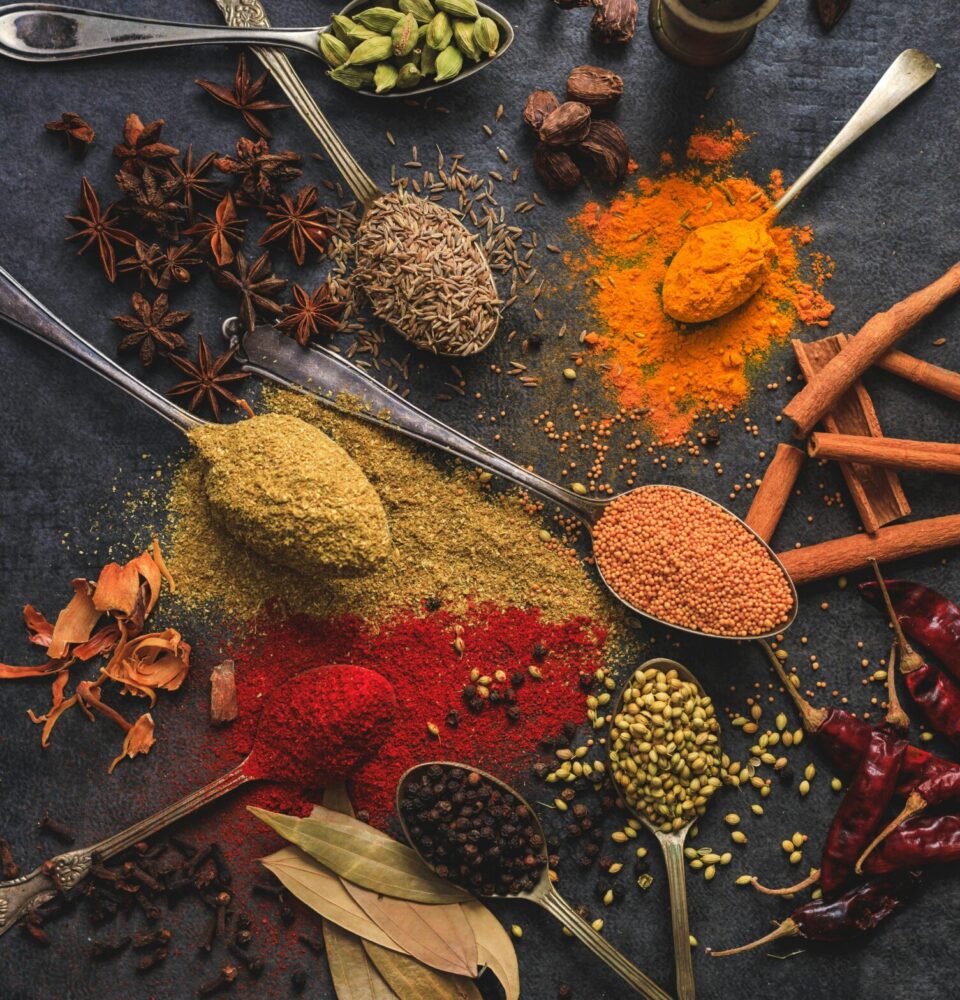
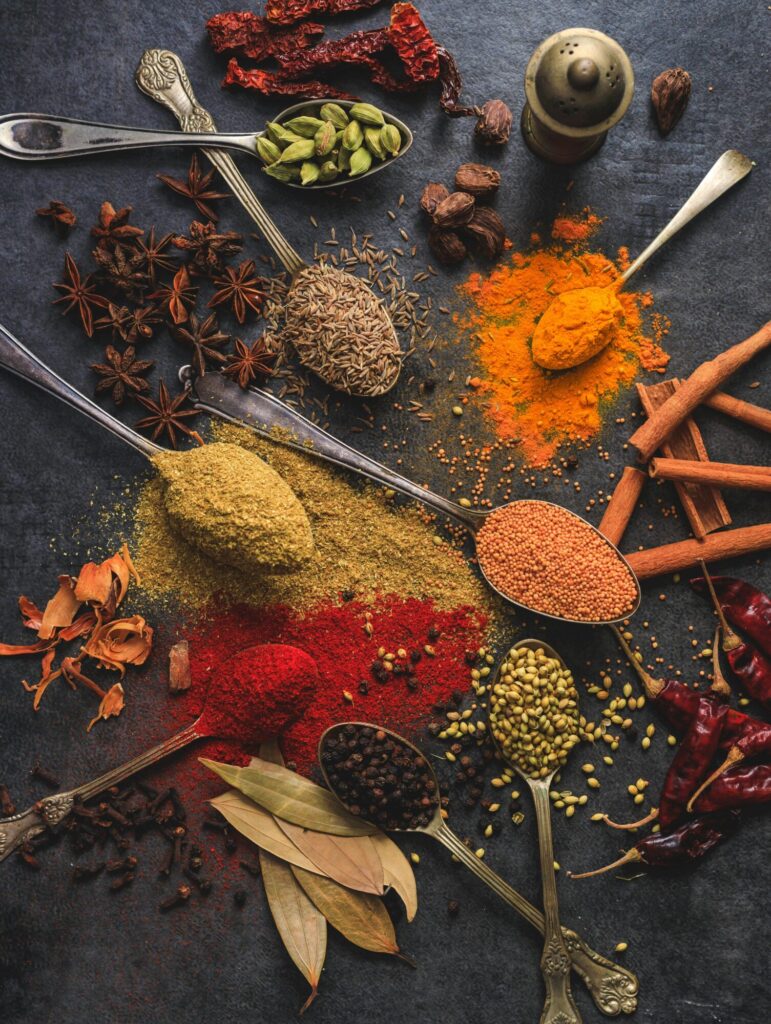
Spices are the very heart of Christmas flavours and aromas, with starring roles played by cinnamon, cloves, nutmeg, star anise, ginger and—why not—tsipouro.
They go everywhere.
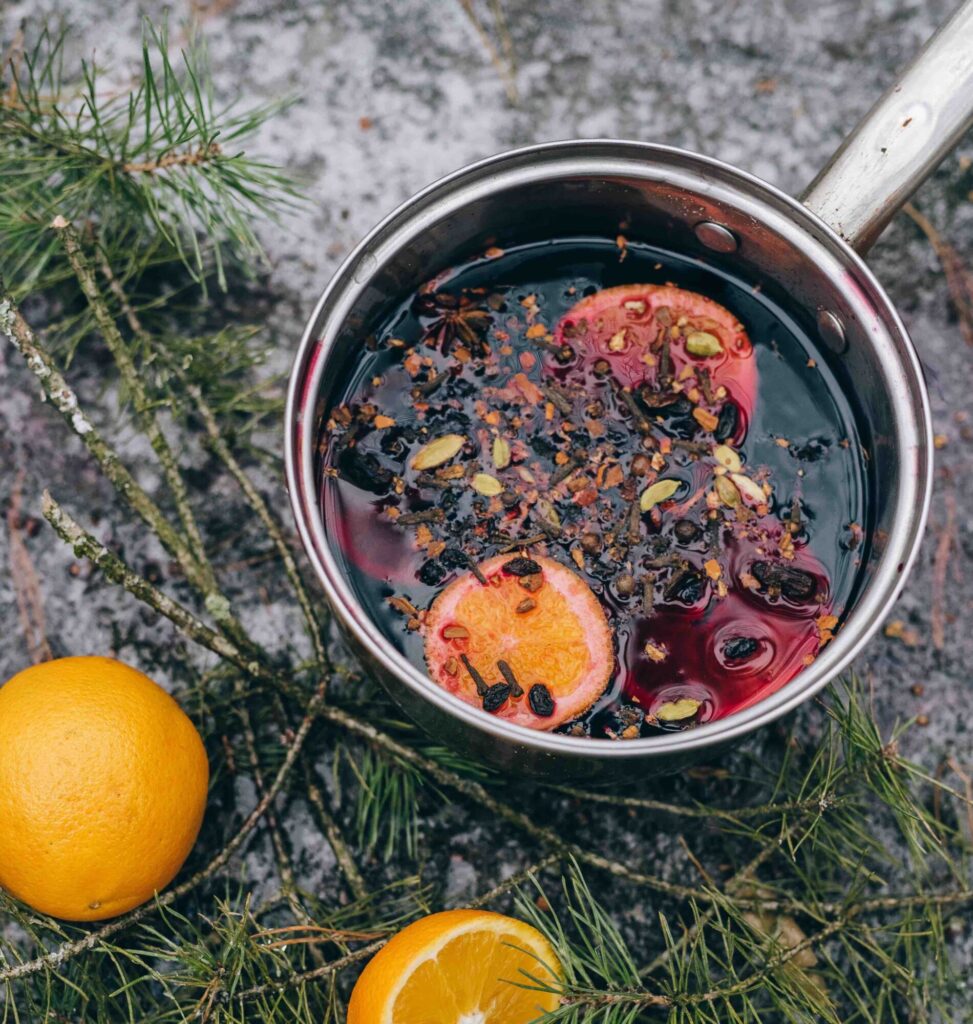
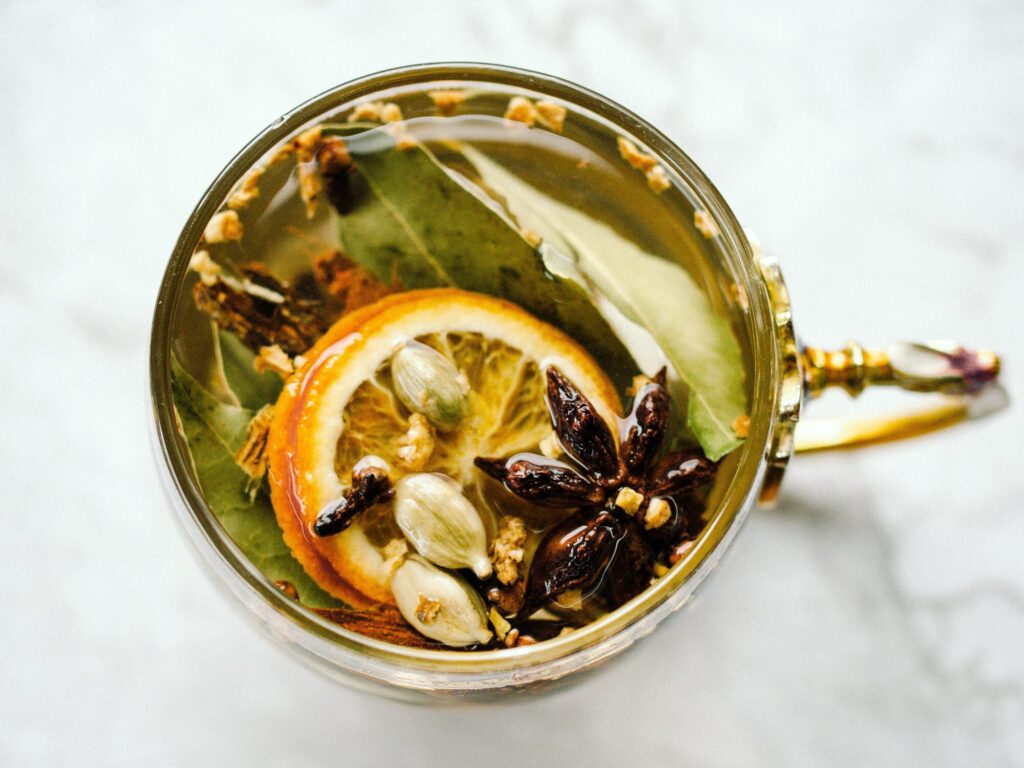
They perfume sweets, drinks (such as warm mulled wine—glühwein), meats, and often even decorate the home, creating the ultimate festive atmosphere.

Precious Aromas and Powders with a Story
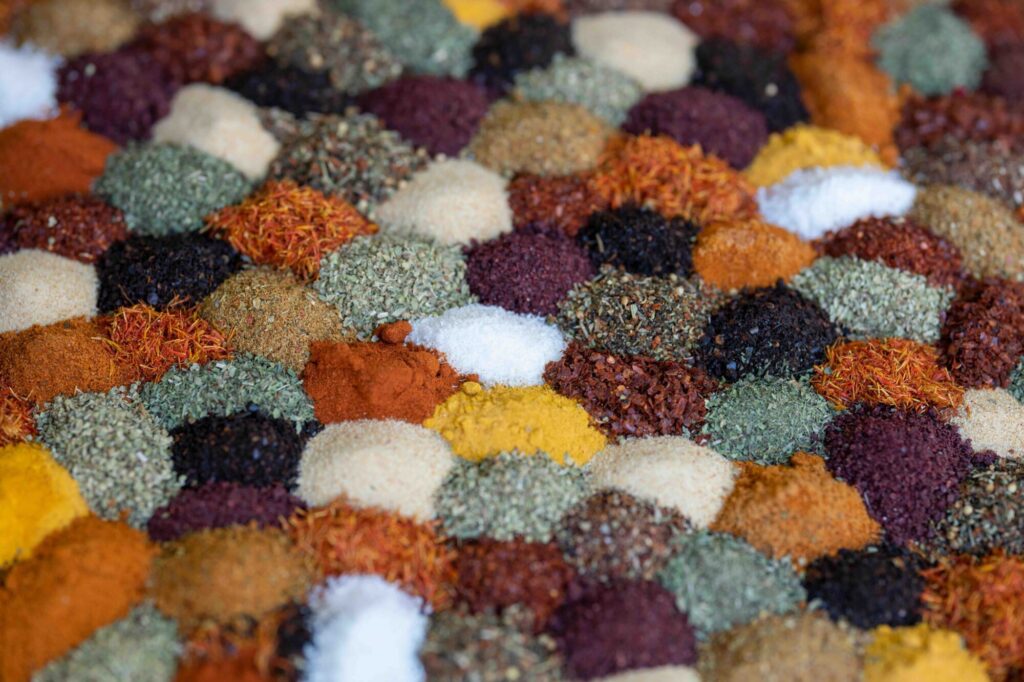
World history and trade are inextricably linked to spices, among the earliest commodities ever exchanged. For these rare and precious goods, people forged alliances, waged wars, explored unknown seas, and made groundbreaking discoveries. Spices were widely used in cooking, but also in oils, medicines, aphrodisiac blends, and religious or social rituals.
They originated in India, travelled to Egypt, and were then channelled into Europe. Arab merchants, eager to protect their monopoly, spun myths about the mysterious land of India—hiding routes and inventing tales of winged dragons guarding pits of saffron, anise, and cardamom, or wild giants patrolling cumin fields.
By the late 15th century, everything changed. Europeans sought to break Venice’s trading dominance. Portuguese explorers reached India by rounding the Cape of Good Hope, while Christopher Columbus sailed west, convinced the shortest route to India crossed the Atlantic—only to reach the Americas.
Let’s explore, one by one, the spices that smell like Christmas.
Cinnamon
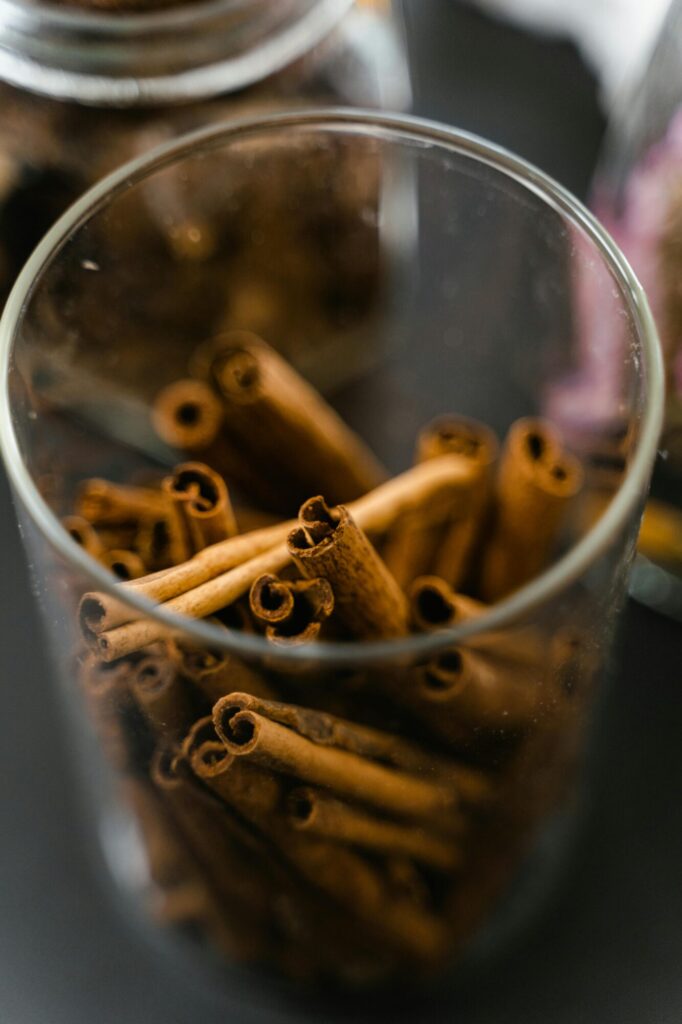
Cinnamon’s festive range is vast. Originating from Ceylon, its essential oil is known to help reduce blood sugar and lipid levels, warm the body from within, aid digestion, and support heart health.
Its story begins in antiquity (before 2000 BCE) in Asia. Egyptians used it for mummification and rituals; Romans for perfumes; and in the Middle Ages it reached the West as a luxury spice for cuisine, medicine, and perfumery. Today it’s everyday—yet still beloved for its benefits.
Cinnamon at Christmas:
Melomakarona, mulled wine, and more. A festive beef stew needs cinnamon to truly smell like Christmas. Even a simple drink—tea or milk—transforms with a single cinnamon stick.
Ginger
This anti-inflammatory root sneaks into many Christmas treats, from classic gingerbread cookies to warming drinks. Ginger also helps soothe the stomach—especially after festive indulgence. Studies suggest it reduces nausea and supports digestion.
Its history begins in South Asia over 5,000 years ago. Used medicinally in India and China, it reached Europe via the Greeks and Romans and became a prized spice. Its name comes from the Latin zingiber.
Cloves
Cloves bring a bold, spicy aroma to Christmas biscuits, melomakarona, cookies, cakes, and apple pies. Combined with cinnamon and orange peel, they create a wonderful natural home fragrance.
An ancient spice derived from dried flower buds, cloves are antiseptic, support immune health, stimulate mental function, and are used in skincare for acne, herpes, and signs of ageing.
Nutmeg
Warm, sweet, and unmistakably festive. Nutmeg fits almost everywhere: sauces, desserts, cakes, cookies, soups—and even hot chocolate.
It comes from the Spice Islands (Moluccas) of Indonesia and has a rich history dating back to the 7th century. Introduced to Europe via Arab traders and Venice, it was once exceptionally valuable. Used in both cooking and medicine, it should be consumed in moderation, as high doses can be toxic.
Cardamom
One of the world’s oldest spices, cardamom is primarily cultivated in India. Its aromatic, spicy profile lends character to Christmas recipes, biscuits, and warm drinks.
The essential oil of its seeds is mildly antibacterial, helps relieve cramps, and supports digestion. Egyptians chewed it for fresh breath; Greeks and Romans used it in perfumes and sweets; ancient generals even gave it to soldiers for courage.
Today, cardamom is among the world’s most expensive spices—alongside saffron and vanilla—and is counted among the “five precious spices” of Eastern medicine.
Cinnamon. Cloves. Nutmeg.
Spices that don’t just flavour the holidays—they make them unforgettable.
Because, as with wine, magic lives in balance and memory.