
The history of tequila begins in the 16th century, when Spanish conquistadors—having run out of their own spirits—turned to distilling what the land of Mexico had to offer.
Tequila is arguably the most misunderstood spirit in the world. Many people associate it with an aggressive, harsh and overpowering drinking experience, when in reality, the exact opposite is true.
Tequila is one of the most distinctive, refined and technically demanding spirits to produce. It is soft, complex and—when made properly—remarkably elegant.
Those who claim to dislike tequila simply haven’t tasted a true premium expression.

Production
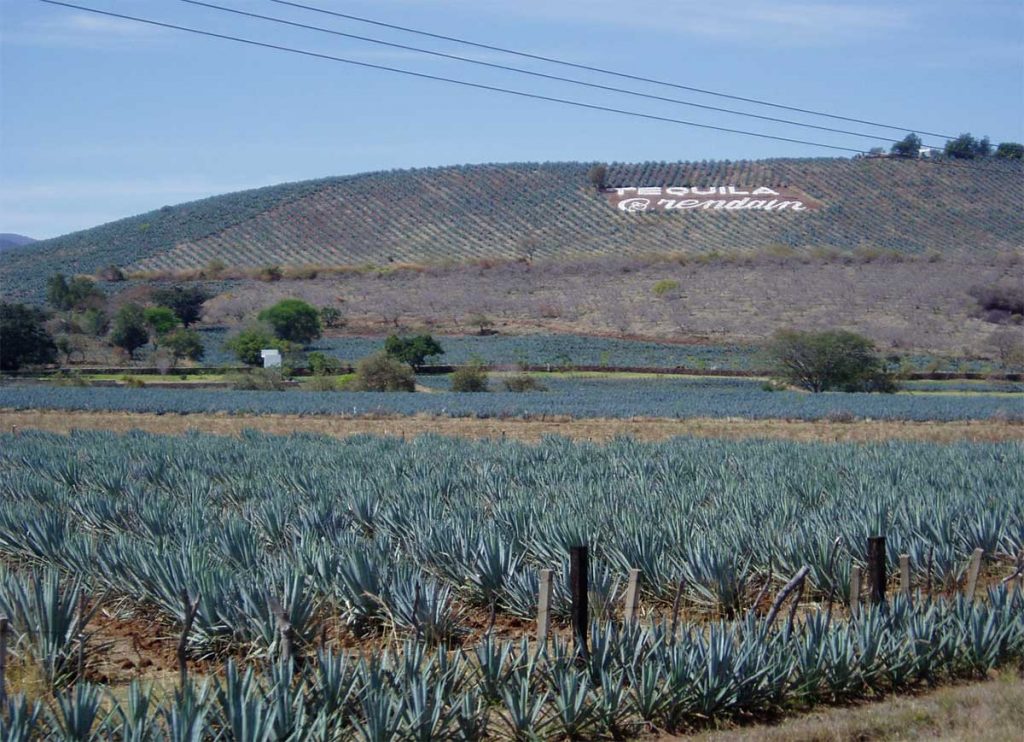
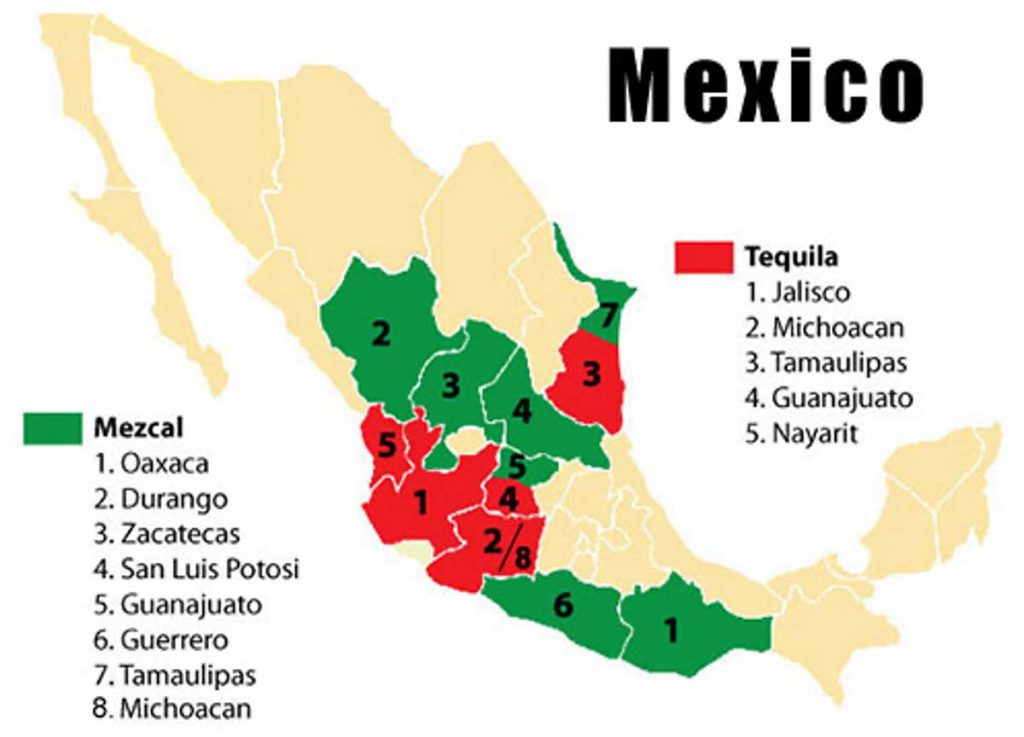
Tequila is a geographically protected spirit, produced exclusively within specific regions of Mexico. Officially recognised production zones include five states:
- Jalisco (by far the largest and most important)
- Guanajuato
- Michoacán
- Nayarit
- Tamaulipas (the smallest)
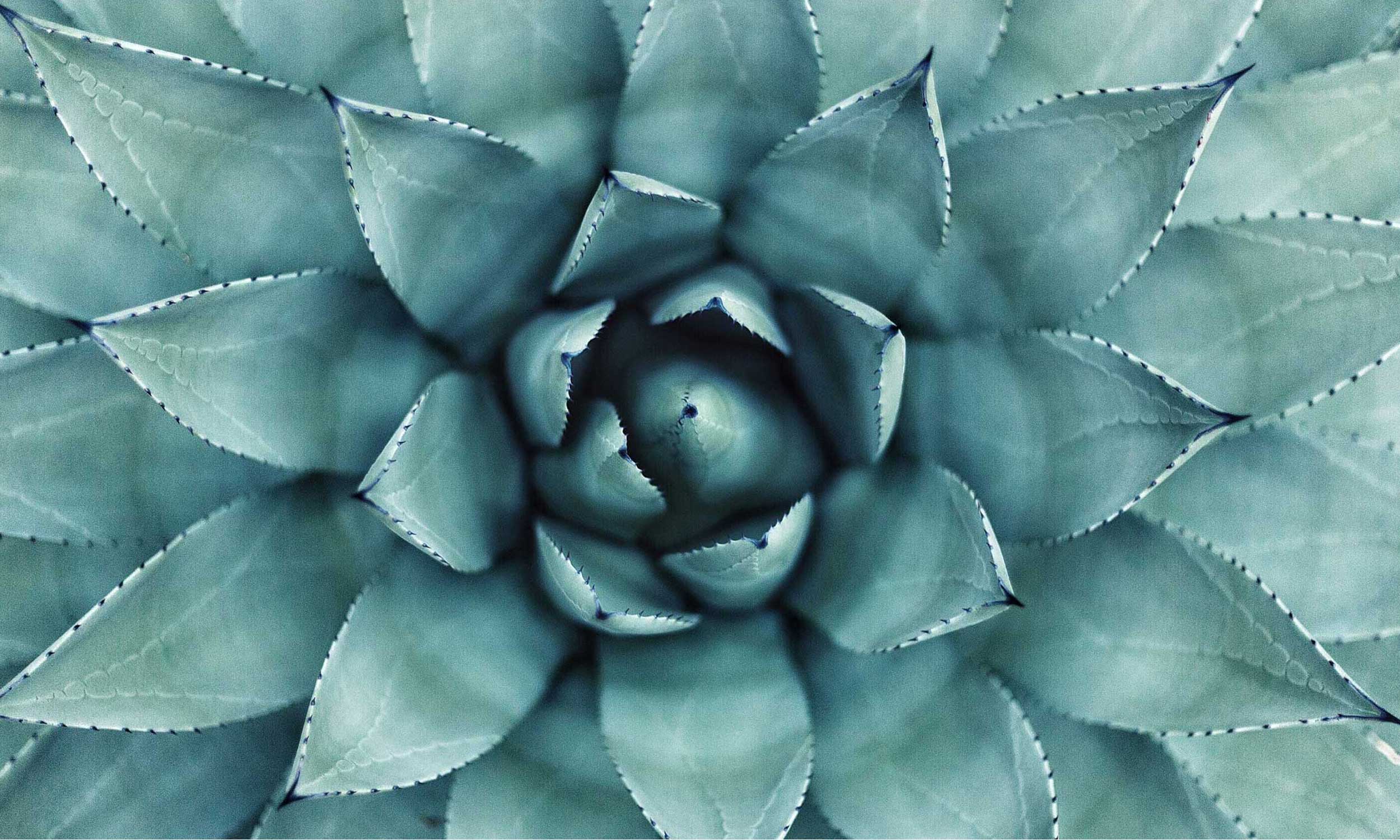
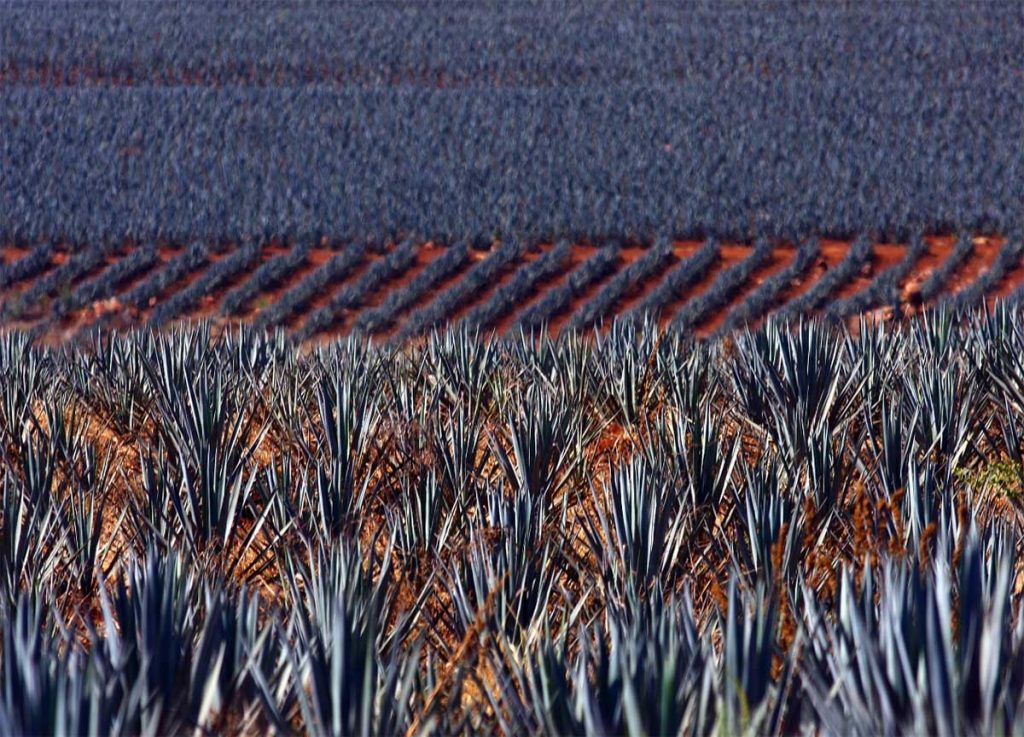
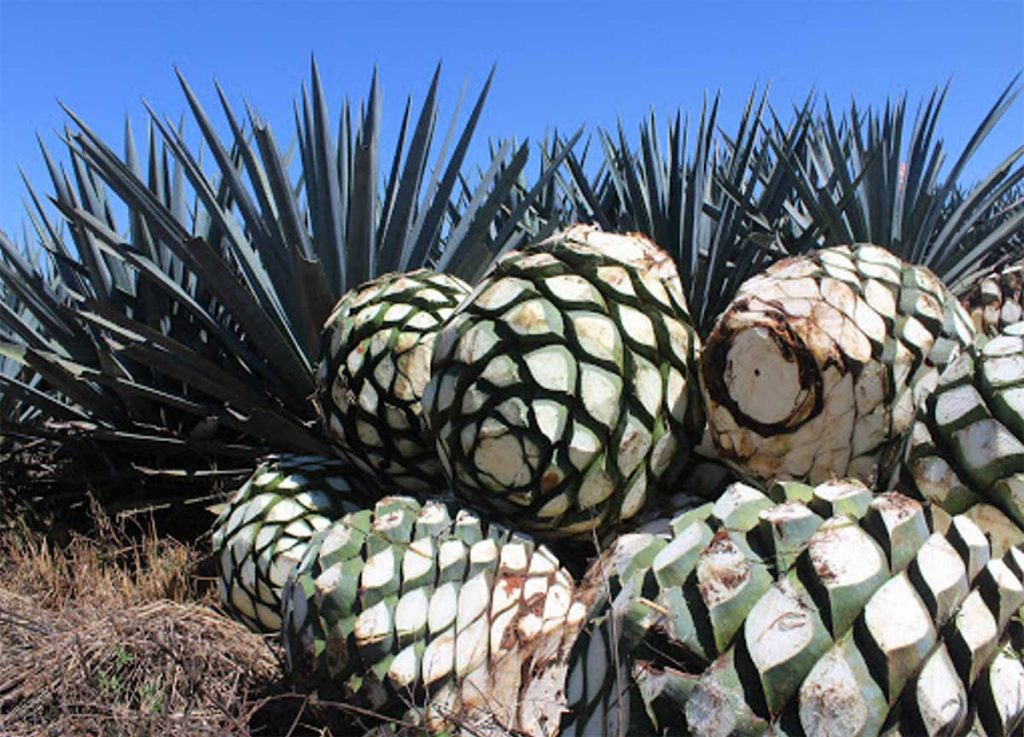
Tequila is distilled from the heart of the Agave plant (Agave tequilana), commonly known as Blue Agave.
The Agave
The agave plant requires extraordinary patience. It can take up to 12 years to mature, with optimal harvest typically occurring between 5 and 8 years.
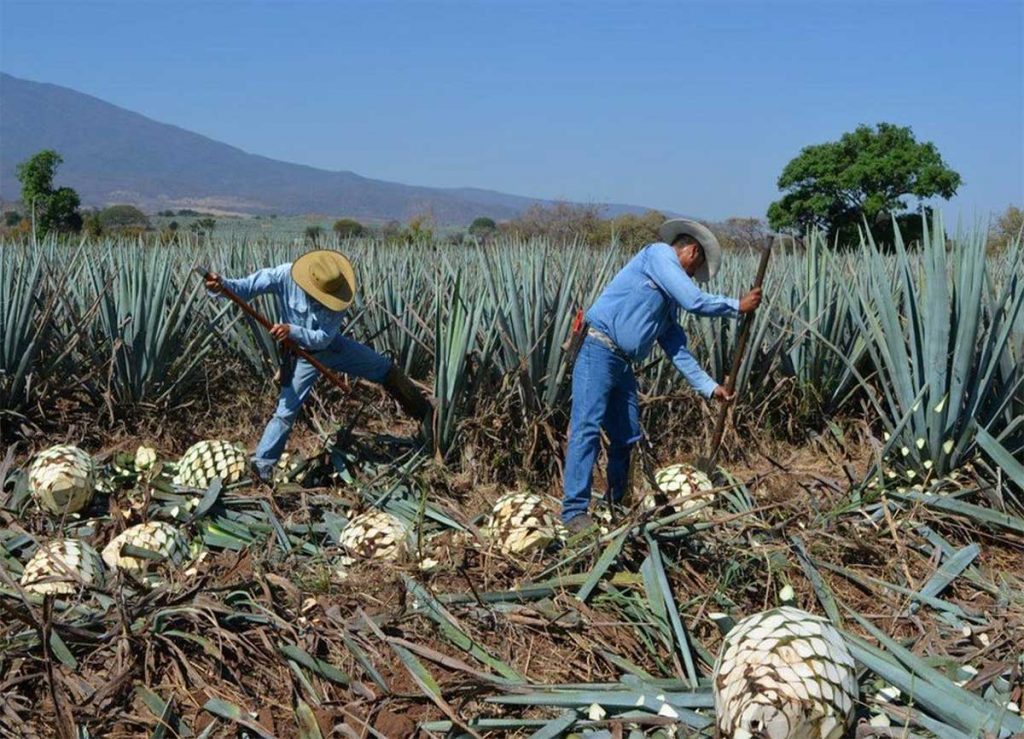
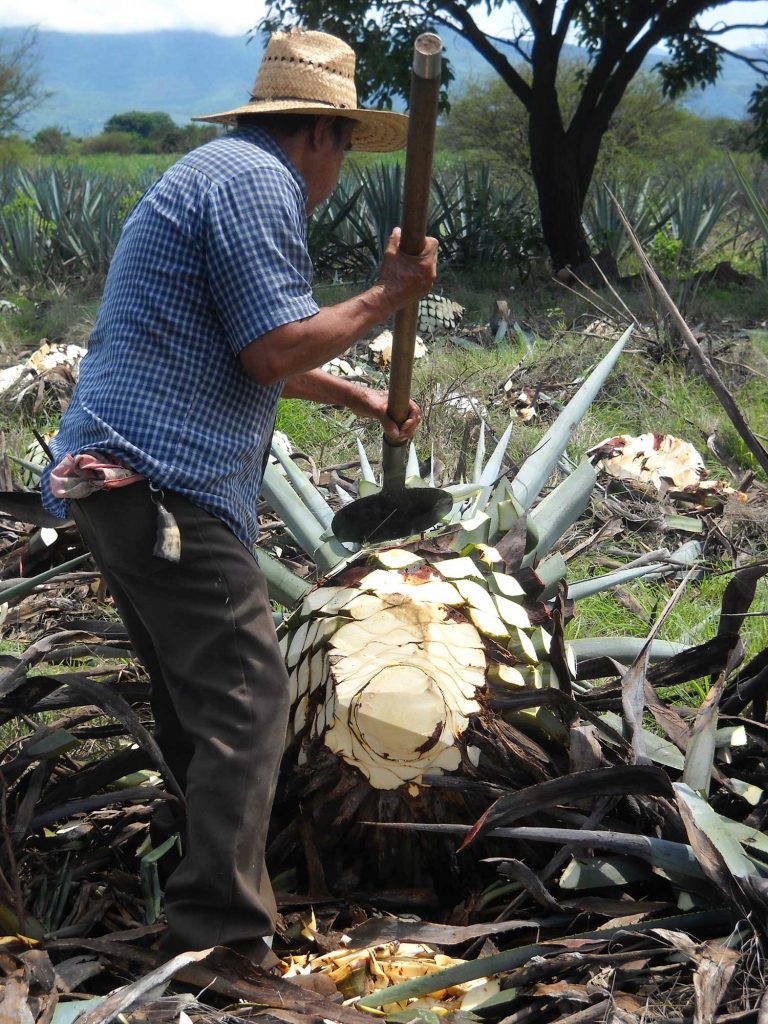
Highly skilled harvesters, known as jimadores, remove the tough, spiked leaves to reveal the core—called the piña—which resembles a pineapple or oversized egg. A piña can weigh up to 100 kg, though the ideal weight is closer to 30 kg for quality production.
While many agave varieties exist, Blue Agave is considered the finest, named after the bluish hue of its heart.
Cooking, Fermentation & Distillation
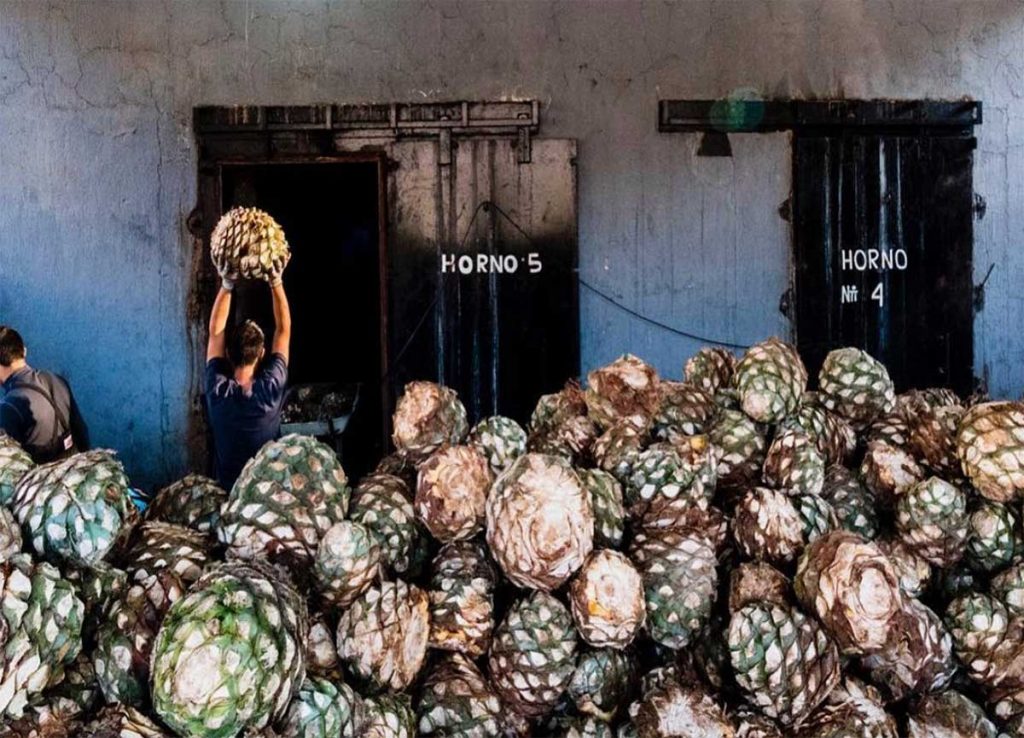
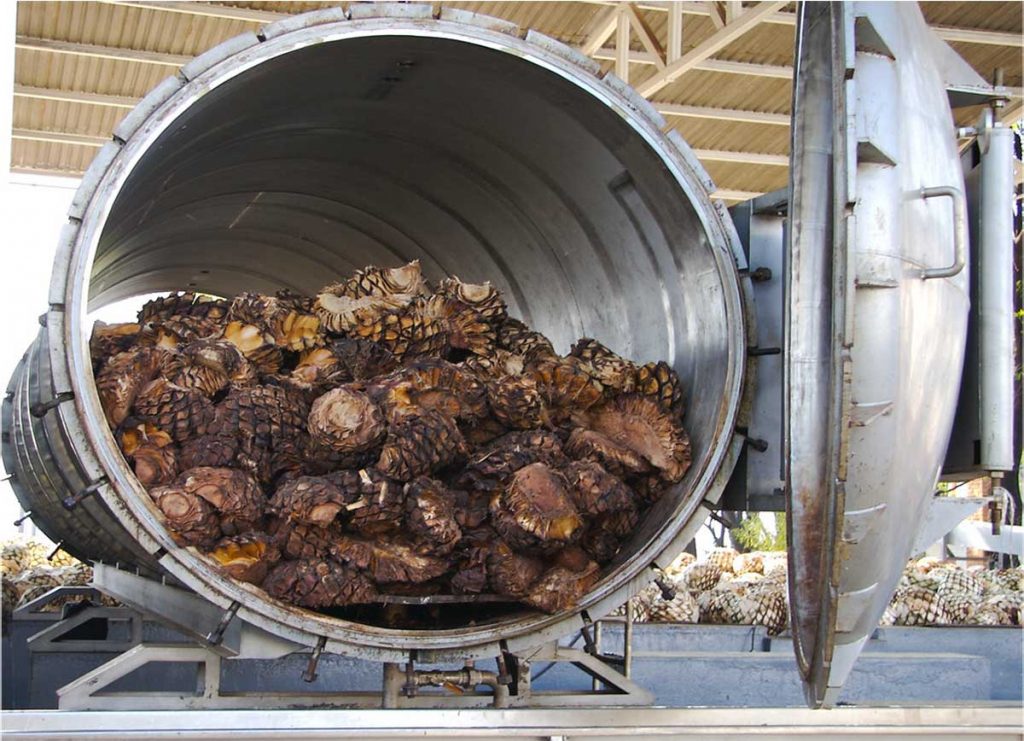
The agave hearts are slowly steam-cooked to convert their starches into fermentable sugars. In traditional steam ovens, this process can take 24 to 48 hours.
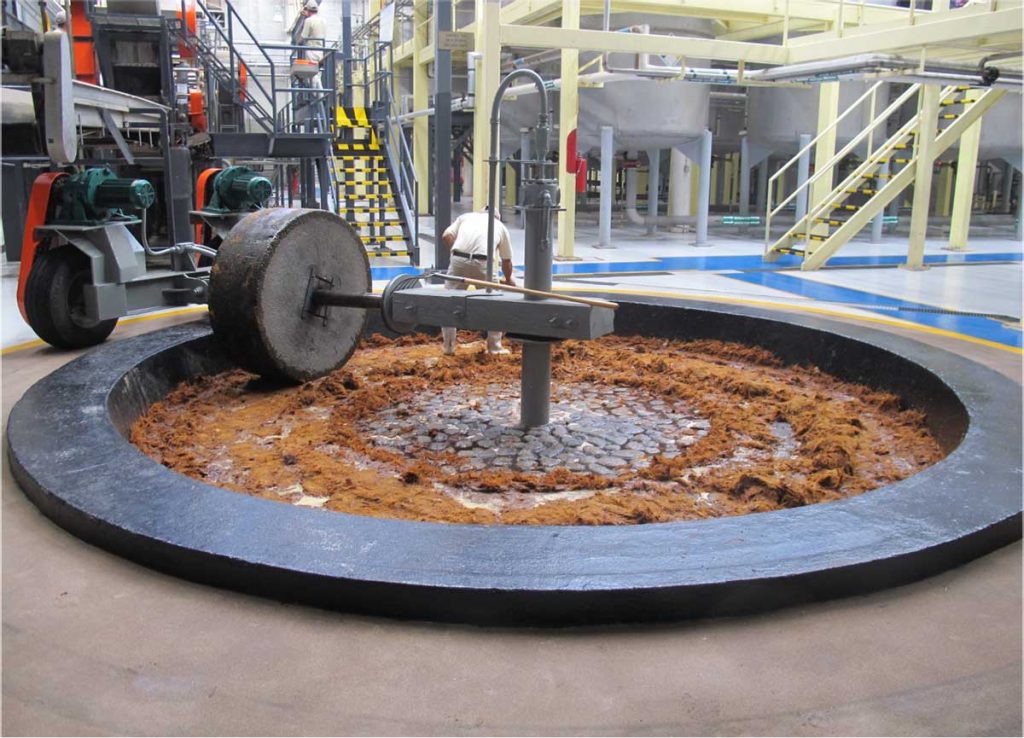
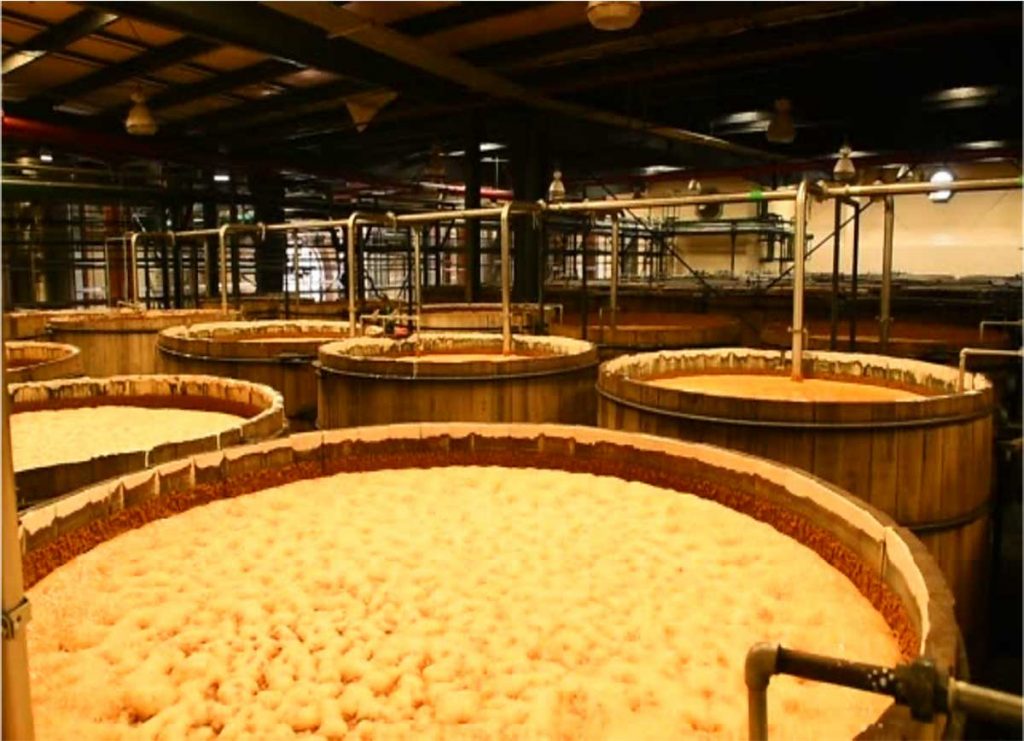
Once cooled, the cooked agave is crushed, mixed with hot water, and the resulting mash is fermented. Fermentation may take place in:
- Open or closed tanks
- Wooden or stainless-steel vessels
Some distilleries use wild yeasts, though most rely on cultivated strains or proprietary yeast cultures.
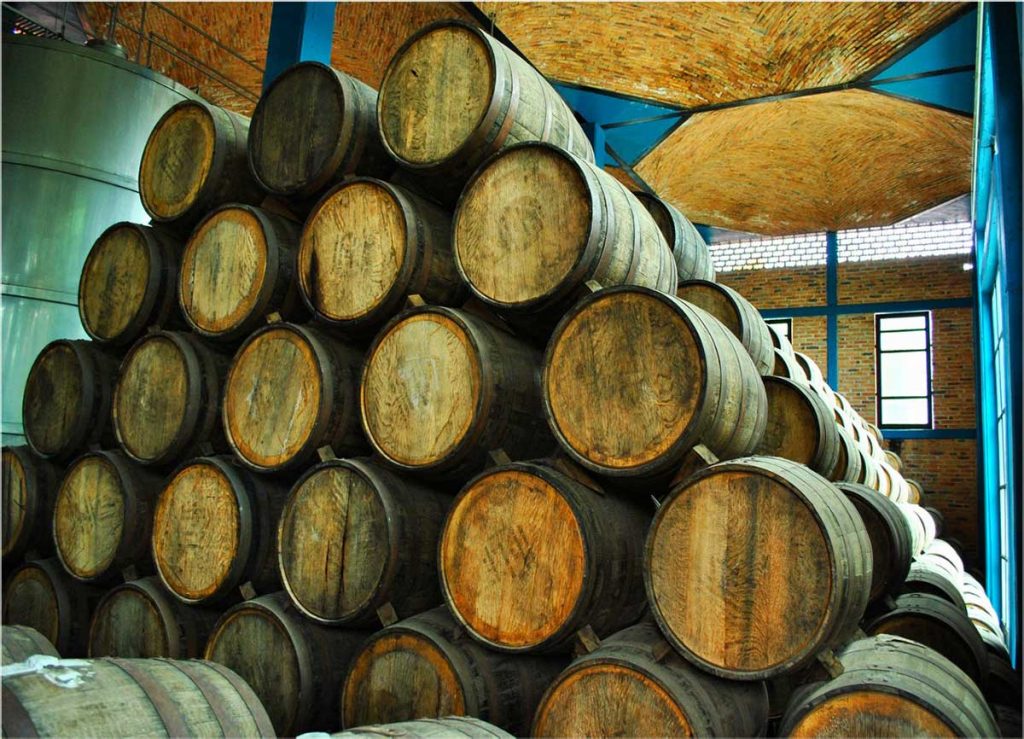
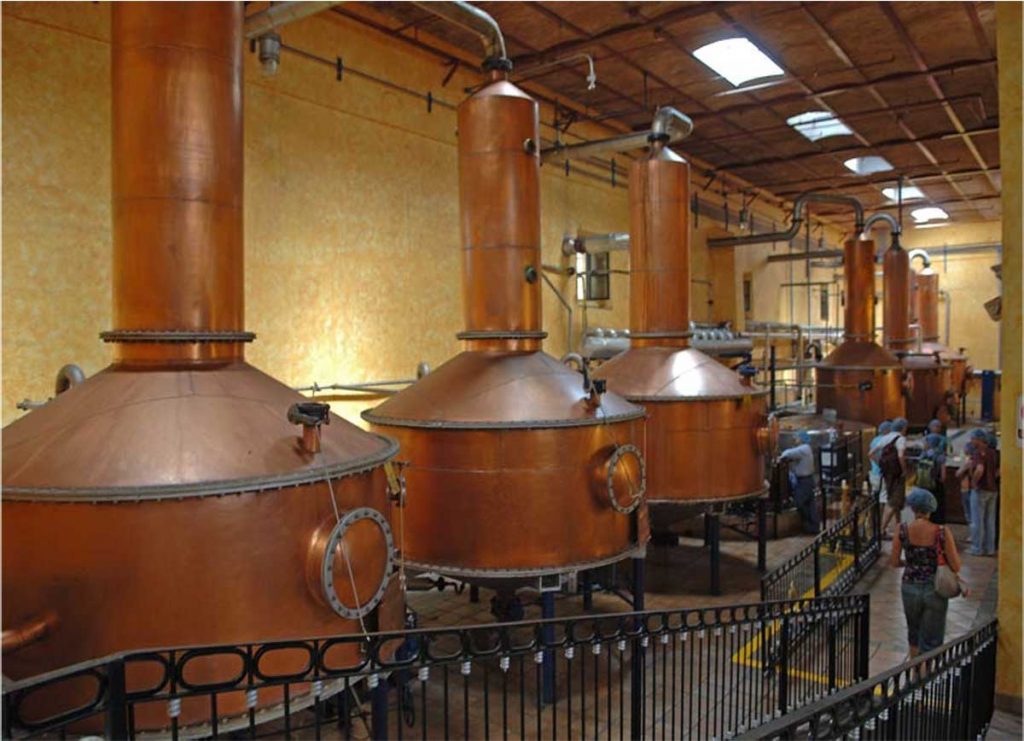
Distillation follows—at least twice—and, depending on the style, the spirit may then be aged in oak barrels.
100% Agave vs Mixto
In all premium tequilas, the alcohol—typically bottled at 38% ABV—comes exclusively from Blue Agave sugars. This is clearly stated on the label as:
“100% de Agave”
In contrast, mixto tequilas contain only 51% agave-derived sugars, with the remaining 49% coming from sugarcane or molasses. This shortcut is largely responsible for tequila’s unfair reputation for harshness and poor quality.
Simply put, the passport to the world of fine tequila is the phrase:
“100% de Agave.”
Styles of Tequila
Blanco (Plata or Silver)
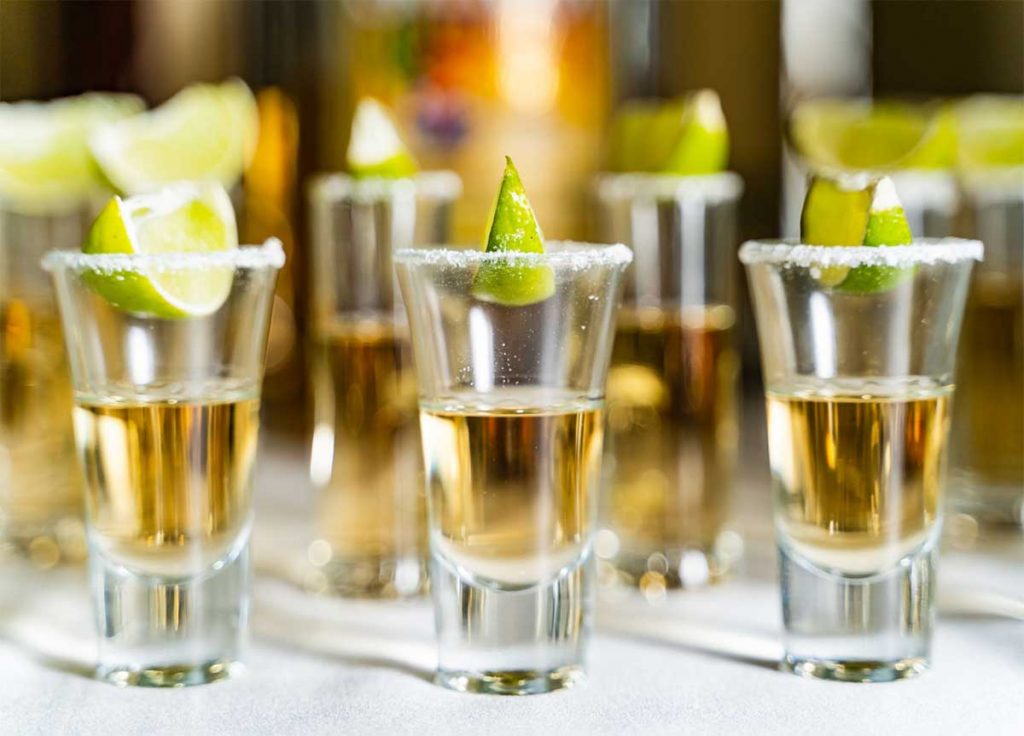
Clear or slightly pale tequila, rested in stainless steel tanks or briefly in barrels for up to 2 months.
Reposado
Light golden colour, resulting from 2 to 12 months of barrel ageing.
Añejo
Golden to amber in colour, aged for at least 1 year (typically under 3 years) in barrels no larger than 600 litres.
Extra Añejo (Ultra Aged)
Deep amber tequila, aged for a minimum of 3 years in barrels not exceeding 600 litres.
Joven / Oro (Gold)
Artificially coloured with caramel. Never premium and never 100% agave.
Tasting Notes
Tequila’s colour ranges from crystal clear to deep amber, depending on barrel ageing.
Aromatically, it expresses the vivid vegetal character of agave—a defining trait that, in quality examples, delivers an unforgettable sensory imprint.
On the palate, a premium tequila is light, soft and intensely peppery. The mouthfeel is often described as thousands of tiny needles gently “massaging” the tongue—a unique tactile sensation exclusive to agave spirits.
Barrel ageing softens and sweetens tequila, but it also diminishes the raw, electrifying identity of agave. This is why many purists favour Blanco expressions, where the soul of the plant shines unfiltered.