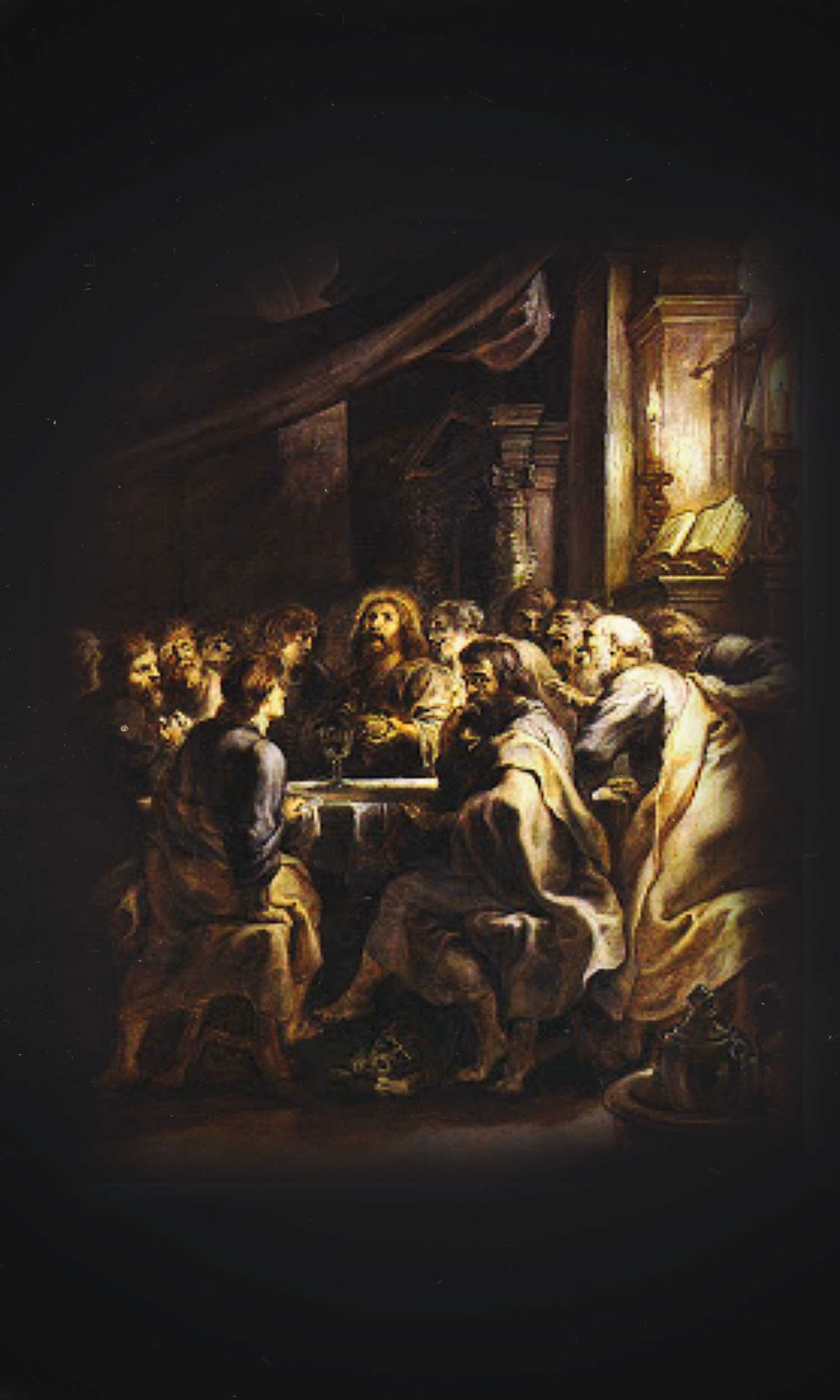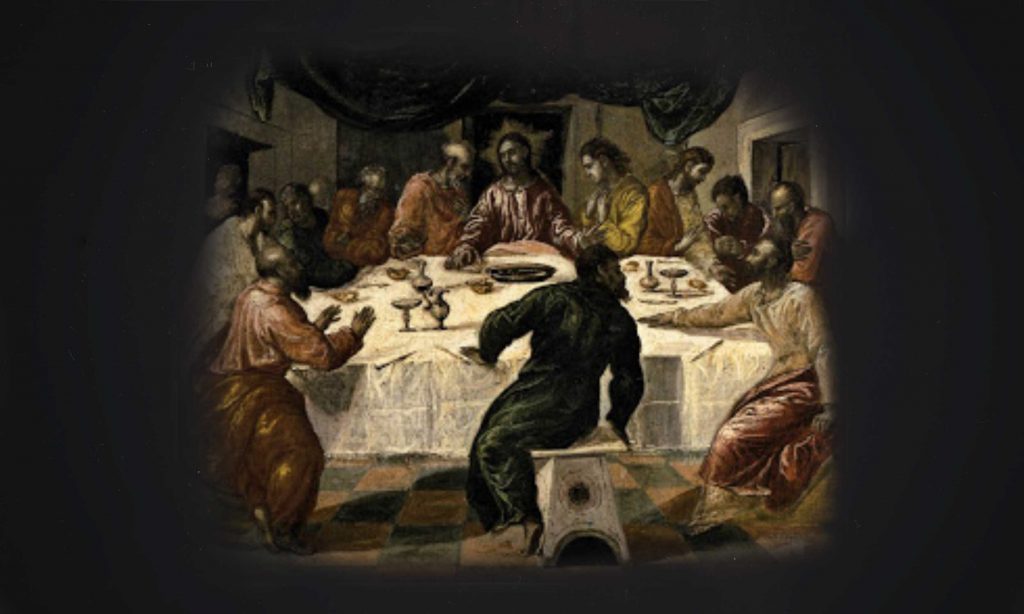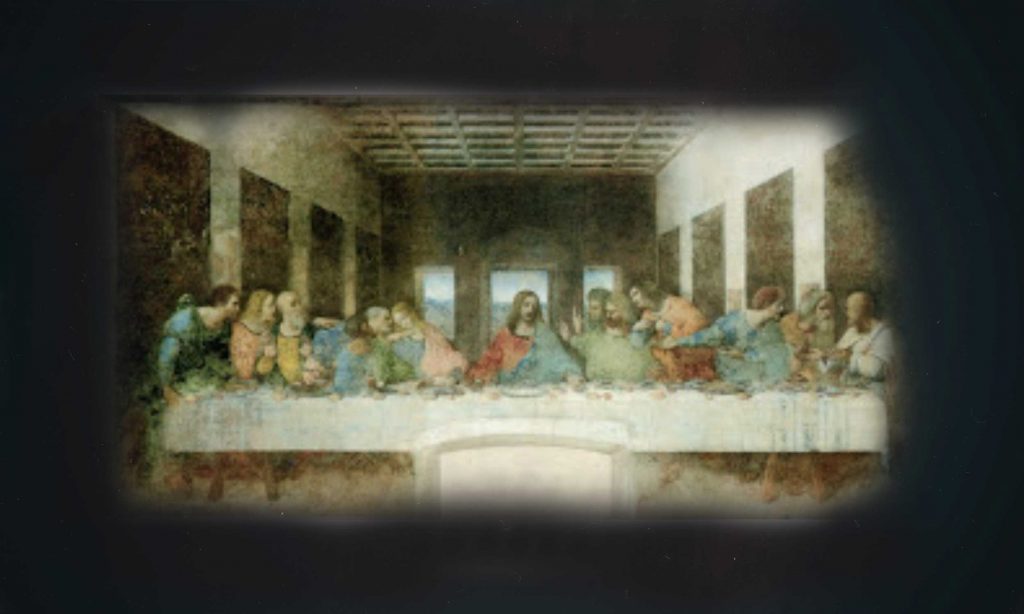

According to a research team from Cornell University, the food portions depicted in paintings of the Last Supper have grown progressively larger over the centuries.
A multidisciplinary research group—comprising nutritionists and obesity specialists—studied 52 of the most famous artistic representations of this iconic biblical scene, focusing specifically on the size of the dishes portrayed.
Among the works examined were paintings by El Greco, Leonardo da Vinci, Lucas Cranach the Elder and Peter Paul Rubens.
The findings revealed that the food, bread and plates placed before Jesus and his disciples gradually increased in size—by nearly two thirds over time. According to the researchers, this phenomenon reflects a simple truth: art imitates life.
Professor Brian Wansink, who led the study alongside his brother Craig, wrote in the International Journal of Obesity:
“We believe that as art imitates life, these changes are reflected in depictions of the most famous dinner in history.”
The data suggest that the trend toward larger portions served on larger plates emerged gradually over the course of a millennium. Main dishes increased in size by 69%, while plate sizes grew by 66% when comparing early depictions (around 1000 AD) with more recent ones (circa 1700 AD). Bread portions increased by 23%. The most pronounced increases appear in works created after 1500 AD and continuing through 1900 AD.
According to the lead researcher, these changes are more likely to reflect cultural shifts rather than religious symbolism.
“There is no theological reason for meals to have grown larger,” he notes.
“It may simply be that portion sizes increased in real life—or that people began to place greater emphasis on food itself.”
What emerges is a subtle but telling narrative: even the most sacred meal in Western art has, over time, mirrored humanity’s evolving relationship with abundance, appetite and the ritual of eating.