
By Eleftheria Davatzi
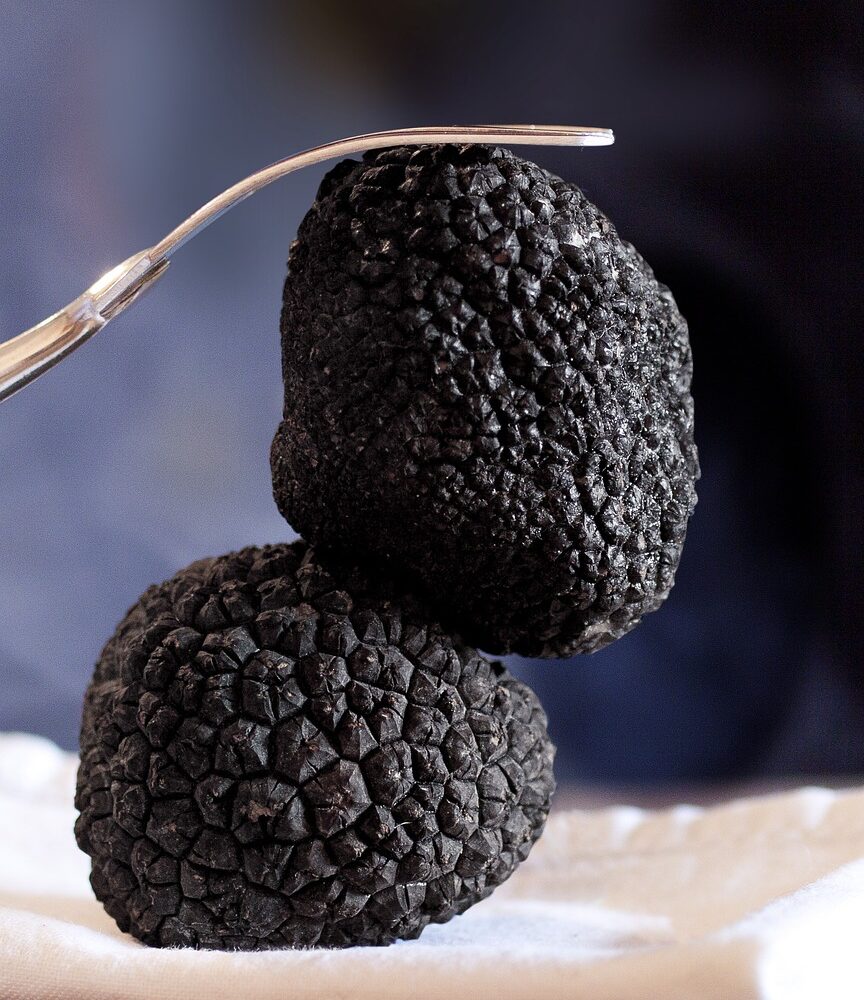
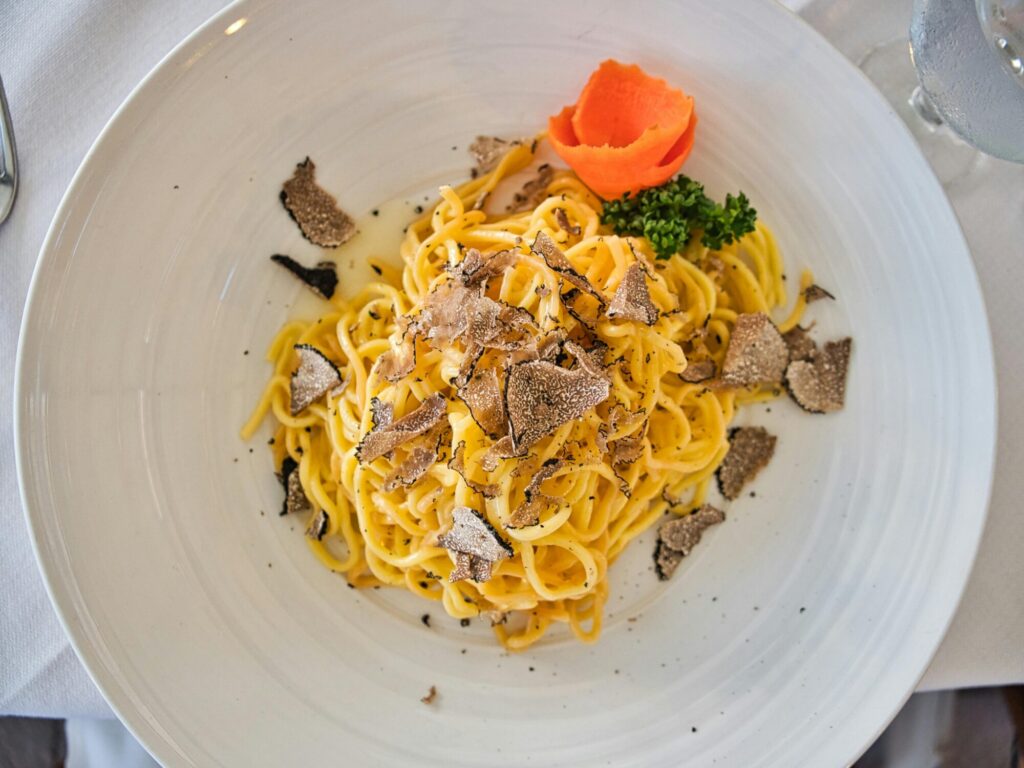
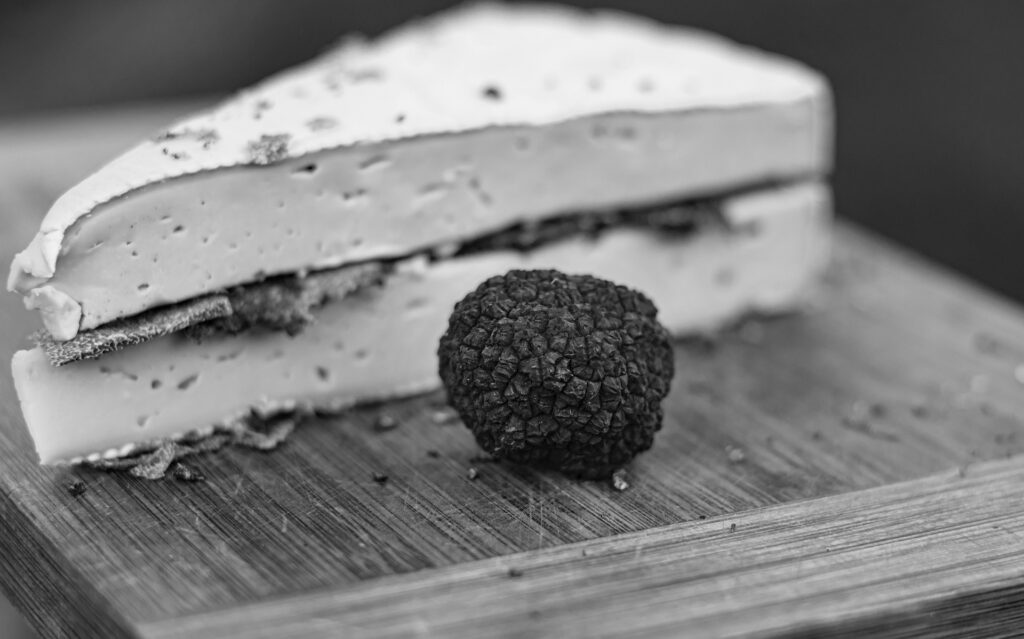
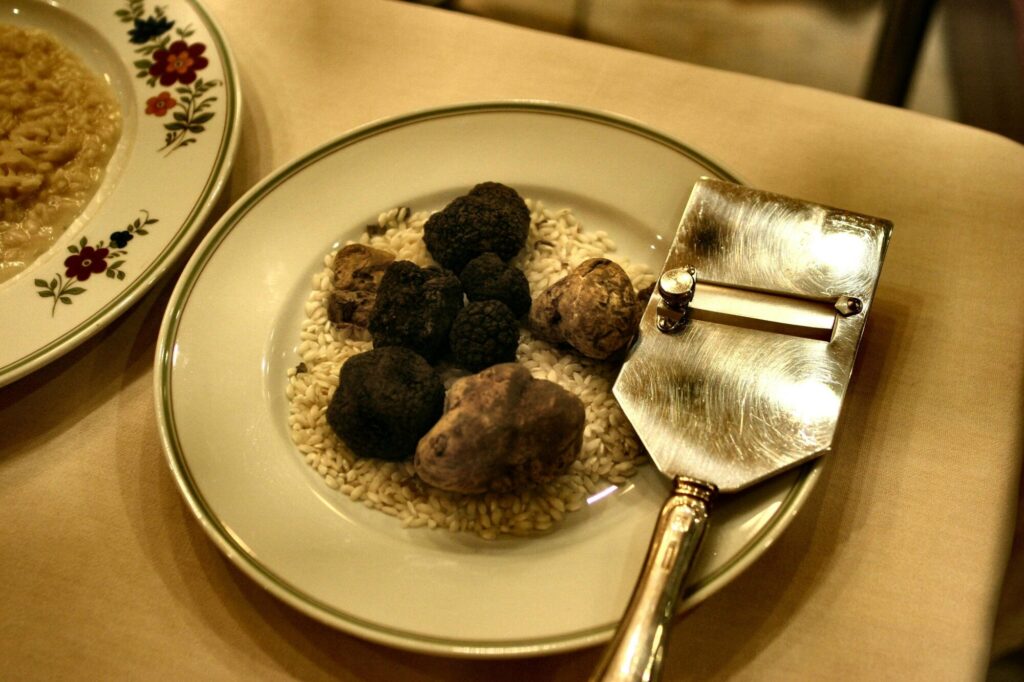
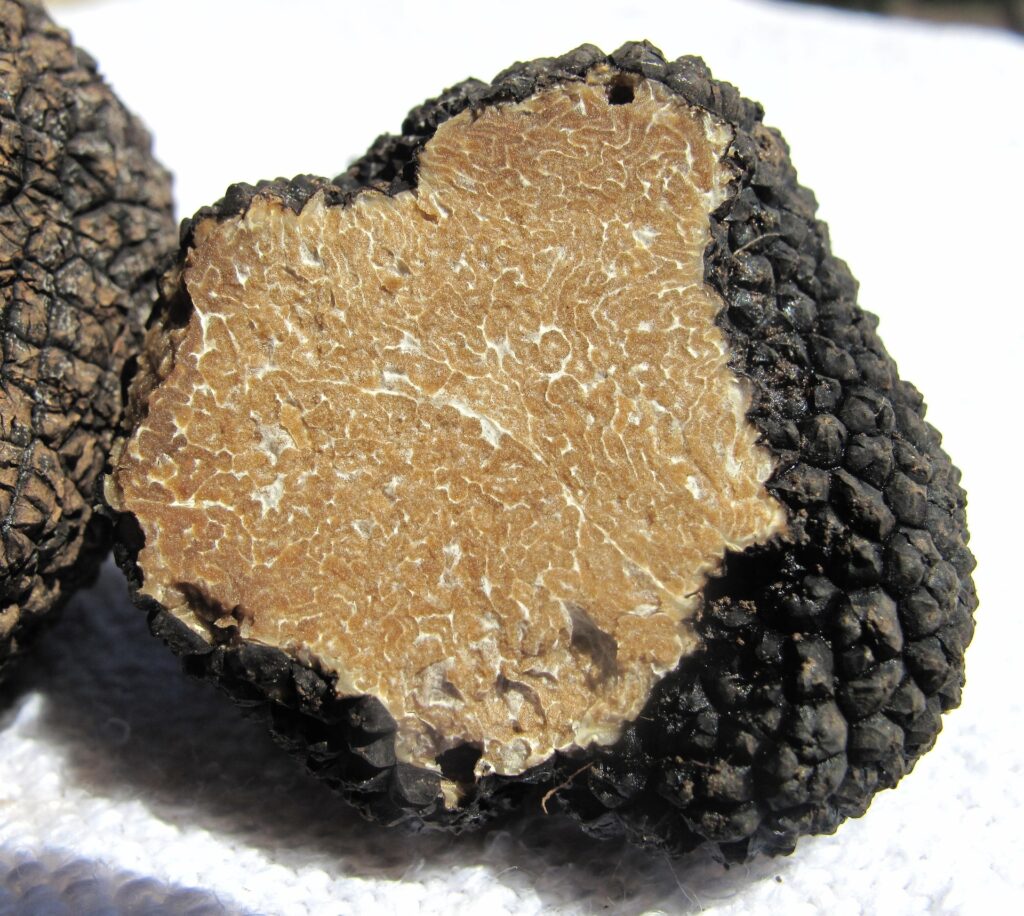
Truffles are celebrated for their intense aroma and flavour, long associated with luxury and haute cuisine. Yet behind these enigmatic fungi—whose fruiting bodies develop underground or semi-underground—lies a far richer story.
References to truffles appear as early as Plutarch and Pliny the Elder, as well as in the records of other Mediterranean cultures. Plutarch believed truffles to be clay “baked” by lightning, while Pliny famously called them a miracle of nature. During the Middle Ages, superstition linked truffles with the devil. By contrast, the English poet and philhellene Lord Byron regarded them as a source of inspiration—and is said to have kept one on his desk at all times.
From the tables of kings and nobility, truffles gradually made their way into fine-dining restaurants. Today, mushroom festivals have brought the wider public closer to high-quality truffles. The best-known celebrations take place in Italy and France, while in recent years Greece has also established a Panhellenic Truffle Festival.

Truffles in Greece: Finding Their Identity
Though not as widespread as in Italy, truffles in Greece are gaining increasing recognition. At the same time, efforts to highlight domestic production and encourage consumption are steadily intensifying.
Commercially Valuable Truffle Species
Five species stand out for their commercial value, primarily due to aroma:
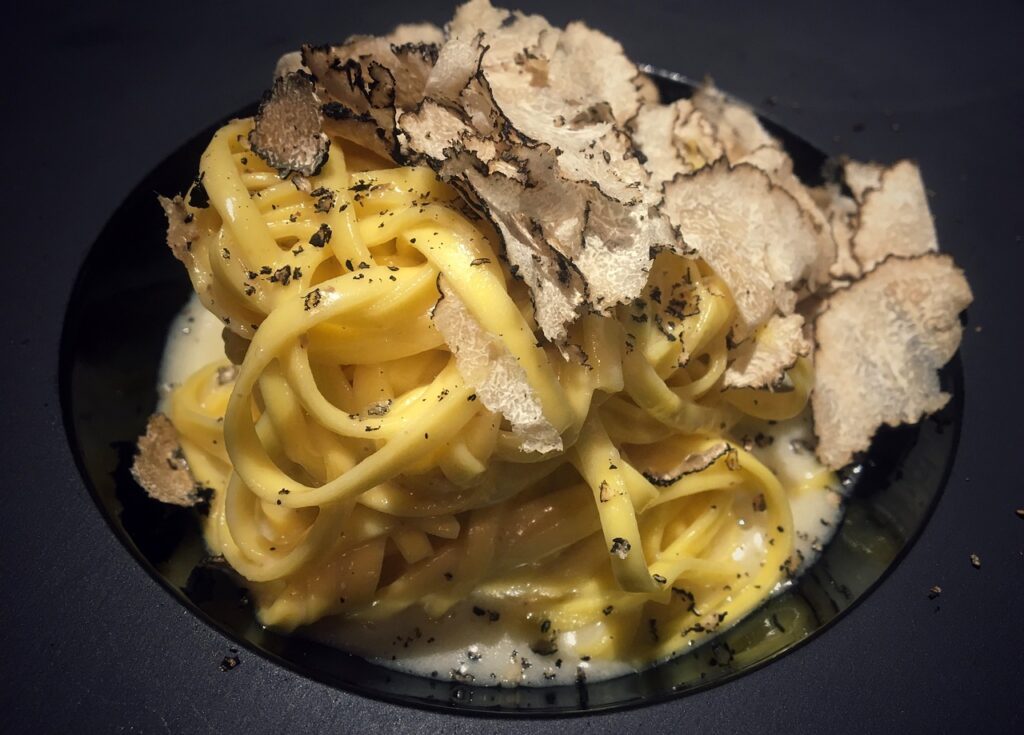
- White truffle (Tuber magnatum) – the most sought-after and expensive; approx. €1,000/kg
- Black truffle (Tuber melanosporum) – the “black diamond” of French cuisine; €600–1,200/kg
- Winter black truffle (Tuber brumale) – more accessible; €300–600/kg
- Summer black truffle (Tuber aestivum) – the most affordable; €200–400/kg
- Burgundy white truffle (Tuber borchii) – a spring truffle; €300–400/kg
The first recorded underground fungus in Greece dates back to 1854, documented by Xaverius Landerer, the Bavarian pharmacist of King Otto. Until 1992, only ten species had been recorded; today, the number exceeds 100. Among them is the rare white truffle of the magnates, placing Greece among the few countries where this species occurs—alongside Italy, Slovenia, Croatia, Albania, and Spain.
Both wild and cultivated truffles exist. Cultivated truffles tend to be more uniform and often larger, increasing their market value—though not necessarily surpassing wild truffles in flavour.
Gastronomic & Nutritional Value
Beyond their aura of luxury, truffles boast notable nutritional benefits:
- Contain proteins, carbohydrates, fats, and dietary fibre
- Rich in minerals and trace elements: potassium, phosphorus, iron, copper, zinc
- Provide vitamins: B1, B2, B3, B12, and D
- Contribute to cholesterol reduction and pain relief
- Attributed aphrodisiac and antibacterial properties
Recent in vitro studies suggest that certain truffle species may exhibit anticancer potential. Further research, however, is required to understand their effects on the human body under normal dietary consumption.
The Greek truffle is a truly “buried” gastronomic and nutritional gem—one that is slowly emerging into the light. It rightfully belongs to our cultural and culinary heritage, with a future well worth supporting.