
Many of us have felt overwhelmed standing in front of English-language Scotch whisky labels. Myths, half-truths, misinformation—and the “authoritative advice” of well-meaning friends—often make things even more confusing.
This concise guide aims to help you feel better informed the next time you choose a bottle of Scotch whisky, allowing the label to work for you, not against you.

Whisky
The word whisky means “water of life”, derived from the ancient Celtic phrase uisge beatha.
Scotch
Simply indicates that the whisky was distilled and matured in Scotland.
If it doesn’t meet both conditions, it cannot legally be called Scotch.
Malt Whisky
This term confirms that the raw material is malted barley.
Malting is the process whereby barley is soaked in water, allowed to germinate, and then dried. Through the application of heat, starches are converted into fermentable sugars, making alcoholic fermentation possible.
Grain Whisky
In this case, the raw materials are cereals such as wheat or corn, and distillation takes place using continuous column stills.
There are currently eight grain distilleries in Scotland. Grain whisky is not bottled and imported as a standalone category in Greece and is mainly used for blending.
Single Malt
Indicates that the whisky was produced in one single distillery, whose name must appear on the label.
Today, approximately 100 distilleries operate in Scotland, the majority located in Speyside, in the northeast of the country. A smaller but highly distinctive group exists on the western island of Islay, as well as one distillery on the island of Skye.
Vatted Malt / Pure Malt
(now commonly referred to as Blended Malt)
These whiskies are blends of malt whiskies from different distilleries, with no grain whisky included.
Blended Whisky
Blended whiskies combine malt whisky and grain whisky, typically in proportions of approximately 40% malt and 60% grain.
This category represents the vast majority of Scotch whisky production worldwide.
Age Statement
The age indicated on the label refers to the youngest whisky in the bottle.
It is important to note that maturation stops once the whisky is bottled—age does not increase in the bottle.
Cask Strength
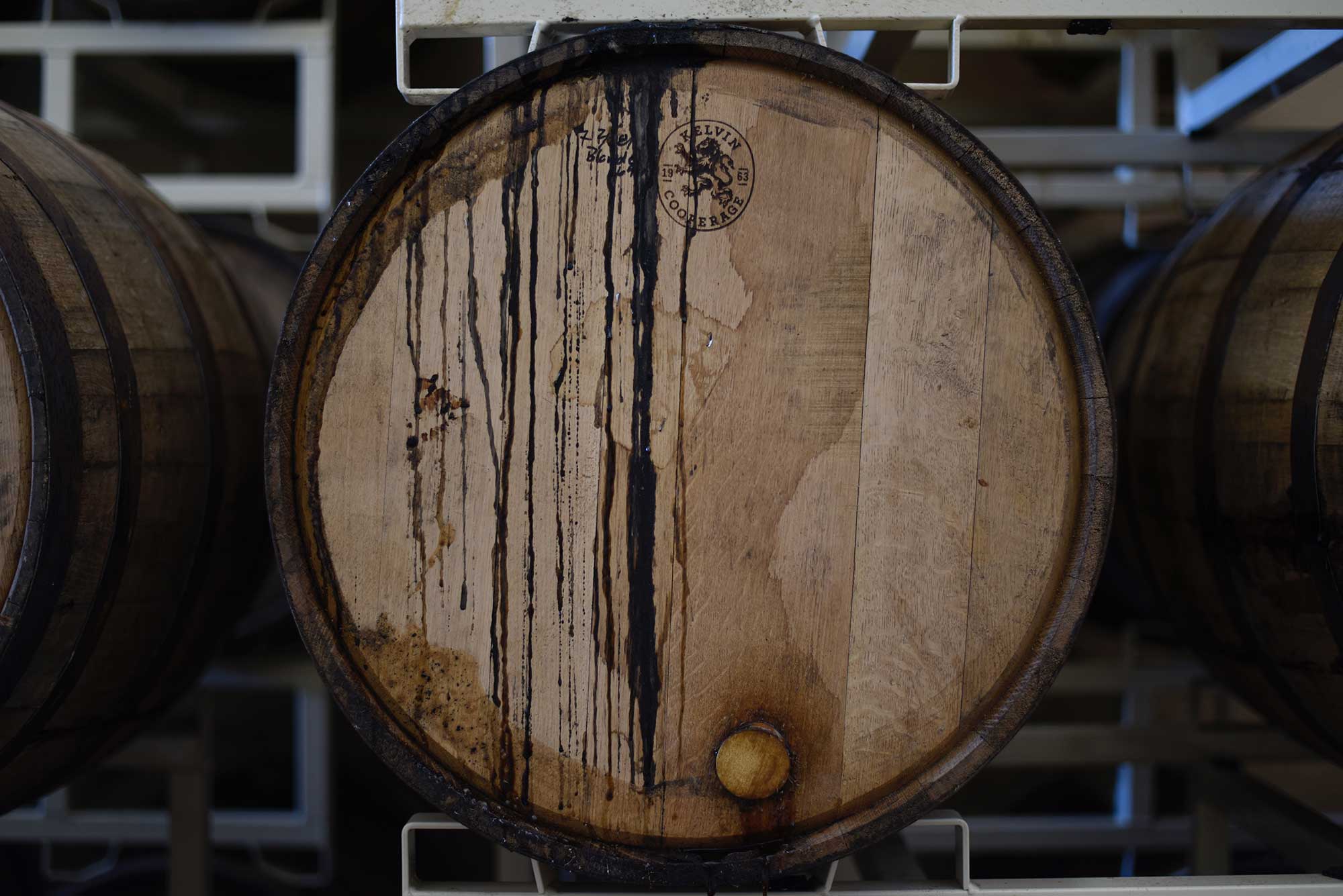
During maturation, whisky naturally loses alcohol at a rate of approximately 2–3% ABV per year. Before bottling, most whiskies are diluted with spring or river water.
In the case of Cask Strength whiskies, the spirit remains in cask for a minimum of 15 years and is bottled without dilution. Alcohol levels typically hover around 60% ABV.
Finished
Some whiskies undergo a final maturation period—often lasting a few months—in casks that previously held other beverages. Common finishing casks include those used for:
- Port (fortified wines from Portugal)
- Cognac
This finishing process adds additional aromatic and flavour complexity before bottling.
In Closing
Understanding what appears on a Scotch whisky label transforms confusion into confidence. Once you learn how to read these terms, the bottle tells its own story—of raw materials, geography, craftsmanship and time.
And that’s when whisky becomes not just a drink, but a narrative in liquid form.