
Vodka is the most widely consumed distilled spirit in the world.
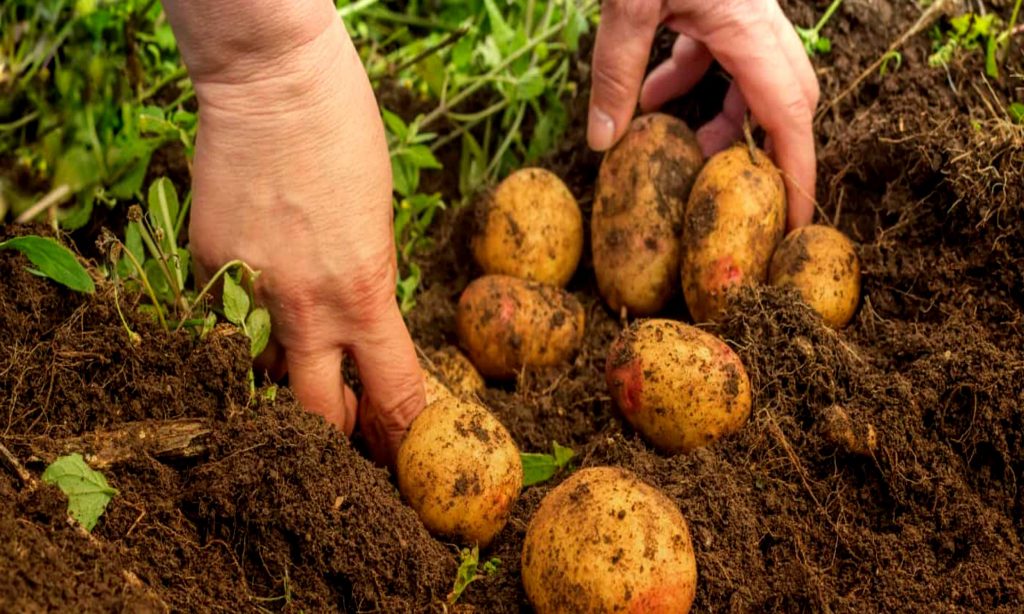
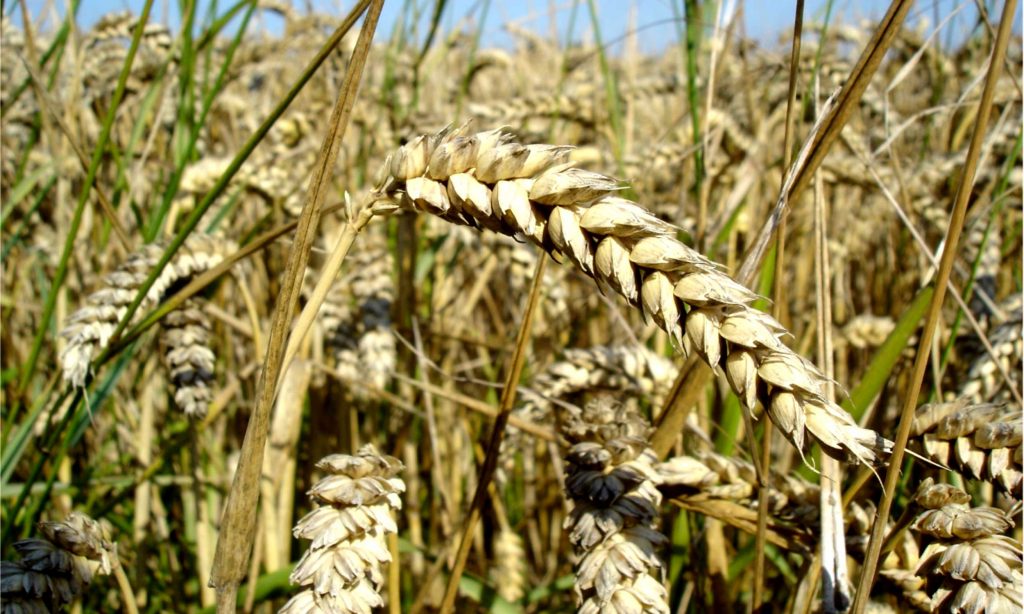
Its origins are commonly traced back to Poland, with written references to its production dating as far back as 1405. Vodka is produced through the distillation of starch-rich raw materials, most commonly cereals, and in certain cases, potatoes.
The ultimate goal in vodka production is absolute purity and neutrality—in colour, aroma and flavour alike. If this description brings water to mind, that is no coincidence: the word vodka itself means “little water” in Russian.
For this very reason, vodka is never aged in barrels. Any interaction with wood would compromise the spirit’s defining principle: neutrality.

Production
Achieving absolute purity requires an almost obsessive approach to the trilogy of water, distillation and filtration.
Water
Water is the alpha and omega of a top-quality vodka. Producers have sourced water from rare natural springs, deep underground aquifers, and even glaciers, all in pursuit of the softest possible profile.
Advanced techniques such as reverse osmosis are often employed to further soften and refine the water before it ever meets the distillate.
Distillation
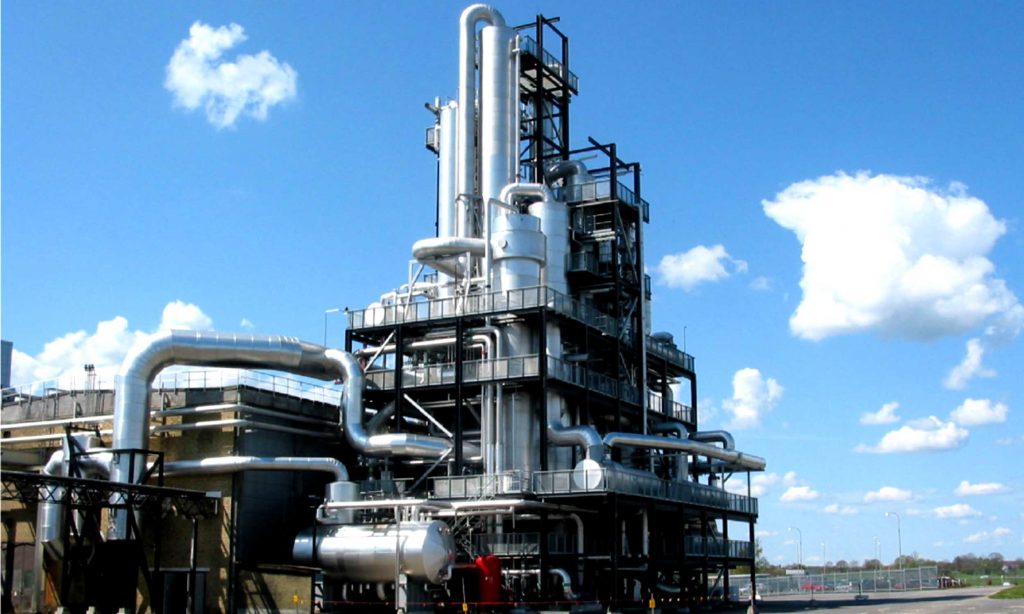
The goal of distillation is to produce the purest possible alcohol. This is why all premium vodkas undergo multiple distillations, stripping away impurities layer by layer until neutrality is achieved.
Filtration
The final—and arguably most critical—stage is filtration. At this point, the spirit is cleansed of even the most microscopic impurities.
From rare woods of the Russian steppe to limestone rocks sourced from Champagne, filtration materials vary widely and extravagantly. These choices offer just a glimpse into the lengths producers will go to in order to achieve absolute clarity and transparency—a true state of liquid glasnost.
Tasting & Styles
Vodka is traditionally tasted ice-cold, after spending at least 12 hours in the freezer.
That said, many experts argue that even for premium vodkas, such extreme cold dulls what little aromatic nuance the spirit possesses. For this reason, they recommend a serving temperature of 0–4°C, where texture and subtle sweetness can be better appreciated.
Visually, a premium vodka should not appear watery or merely transparent. Instead, it should look viscous, luminous and silky in the glass.
Aromatically—or rather, in the absence of aroma—it should convey a sense of soft sweetness, never harsh alcohol or medicinal notes. On the palate, the texture must be creamy, smooth and harmonious, not aggressive, burning or thin.
Vodka & Mixology
Vodka’s neutrality makes it the ultimate blank canvas for mixology. Thousands of cocktails worldwide rely on vodka as their structural backbone.
It can be infused or flavoured with an endless array of fruits, spices and herbs, offering infinite creative possibilities.
Yet for the true connoisseur of fine vodka, there is only one way to enjoy it:
Neat.