
Wine, with its refined flavour and the rich history that surrounds it, is one of the great treasures of human culture. Yet the enjoyment of wine is far more than a matter of taste alone. Beyond aromas and pleasure, there are multiple factors that shape how we perceive and enjoy a glass of wine. From serving temperature and decanting to ageing potential, each of these elements contributes to the creation of a complete and deeply rewarding tasting experience.

TEMPERATURE: A Key Factor in Wine Enjoyment
Temperature is perhaps the single most decisive factor in wine enjoyment. It has the power either to elevate the refined character of a great wine or to ruin even the finest masterpiece of a winery. Its impact on flavour is multidimensional, affecting aromas, acidity, alcohol perception and overall mouthfeel.
Low Temperatures
On one hand, low temperatures can mask both aromas and potential faults; on the other, they can accentuate sharp acidity and astringency. It is therefore essential to approach each wine at the temperature that best allows its aromatic profile to unfold.
High Temperatures
At the opposite end of the spectrum, higher temperatures may enhance aromatic expression but can also exaggerate alcohol and diminish concentration. Temperature control is critical in preserving balance and harmony.
Correct Serving Temperatures
Each wine style has its own ideal serving temperature:
• Sparkling wines: 6–8°C
• Dry white wines: 8–10°C
• Sweet white wines: 8–10°C
• Rosé wines: 8–10°C
• Dry red wines: 16–18°C
• Sweet red wines: 12–14°C
All wines stored outside a temperature-controlled cellar should be chilled before serving. This applies not only to white and rosé wines, but to red wines as well. And not only on scorching summer afternoons, but even on cold, snowy winter nights.
Ways to Lower Wine Temperature
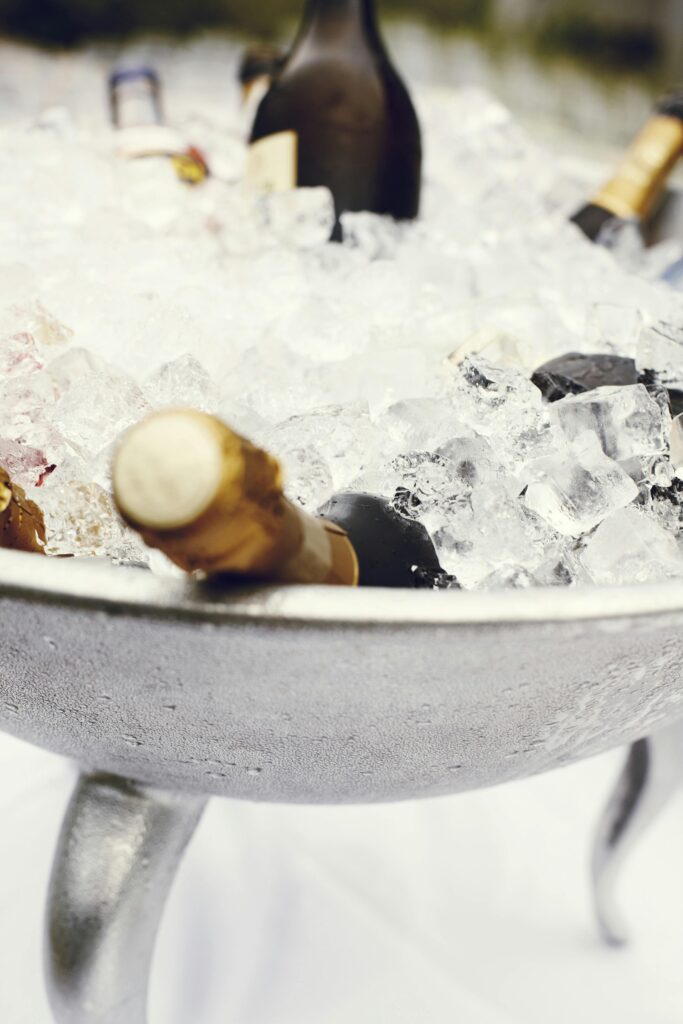
To bring a wine to its ideal serving temperature, various methods are available—from refrigeration to ice buckets filled with water and ice. Each method requires adjustments depending on the wine style and serving conditions.
Key points to keep in mind:
- We often underestimate a wine’s temperature. Do not rely solely on the feel of the bottle; use a wine thermometer.
- Wine temperature increases by at least 2°C once poured into a glass. Chill the bottle slightly below your target temperature.
- On very hot days, serve smaller pours to keep the wine fresh and enjoyable.
- Do not worry if you notice condensation or “mist” in a glass of red wine—this is natural when a high-alcohol wine meets a warm glass.
- If a wine has been decanted, chilling can be done directly via the decanter.
Always remember:
Cold can become warm. Warm can never become cold.
Temperature is fundamental to wine enjoyment. At the right temperature, a wine reveals new dimensions and transports us to imagined sensory landscapes.
DECANTING: The Art of Revealing Wine
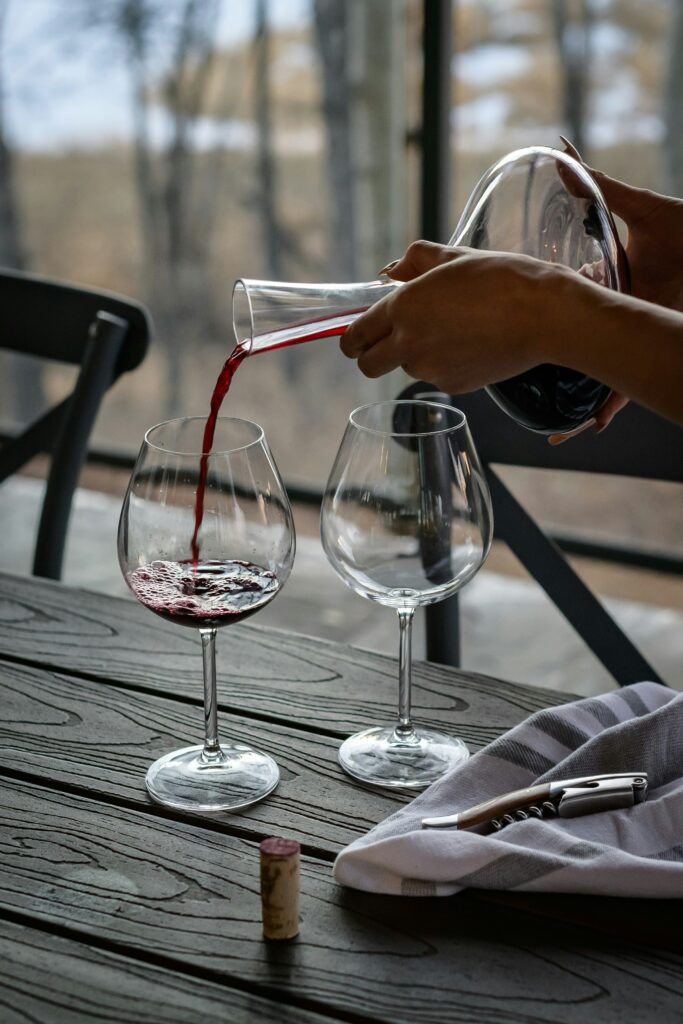
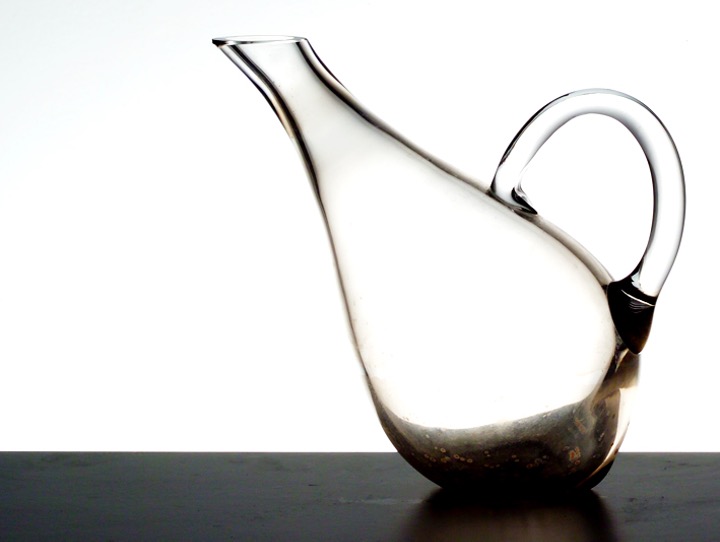
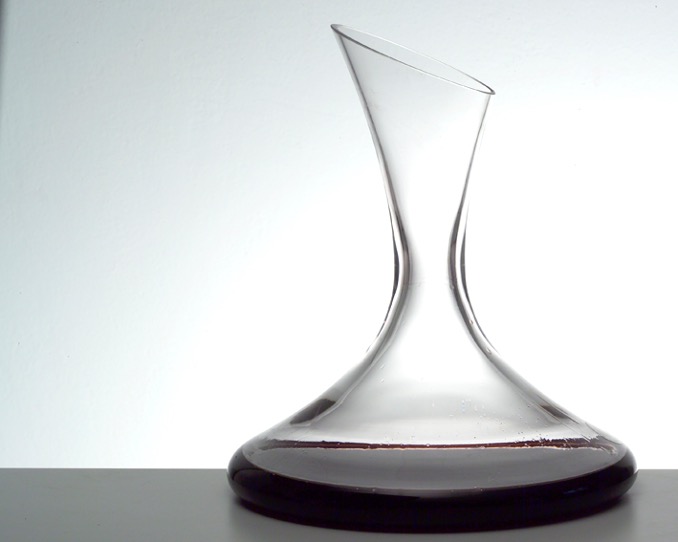
Decanting is a key factor that significantly affects the tasting experience. This process—transferring wine to a decanter for a specific period—aims to improve both quality and enjoyment.
The Two Main Reasons for Decanting
Firstly, young, high-quality red wines are decanted to enhance aromatic expression and soften aggressive textures. Contact with oxygen allows aromas to open up fully, creating a more expressive and pleasurable sensory result.
Secondly, decanting is used for aged red wines to separate them from sediment and to dispel any reductive aromas developed during long bottle ageing. Gentle decanting allows the wine to breathe, smooths its structure and enhances aromatic complexity.
Simple, inexpensive wines do not require decanting and can be served directly from the bottle.
Through decanting, wine gains a new dimension, revealing its aromatic and flavour depth and contributing to a richer tasting experience.
Decanting Young Wines: Highlighting Freshness
Decanting young wines enhances their freshness and aromatic intensity.
Key Steps:
Decanter Selection:
Choose a decanter designed for young wines, offering ample surface area for aeration.
Pouring:
Pour gently, allowing air to mix with the wine and activate its aromas.
Waiting Time:
Let the wine breathe for at least two hours before serving. While timing varies by wine, it should generally exceed 30 minutes to achieve optimal results.
This simple process unlocks freshness and aromatic complexity, elevating the tasting experience even for the most demanding wine lovers.
Decanting Aged Wines: Releasing Aromatic Expression
Decanting aged wines requires care and precision, as mistakes can compromise the experience.
Key Steps:
Preparation:
Stand the bottle upright at least 30 minutes before decanting to allow sediment to settle.
Decanter Selection:
Choose a decanter suitable for aged wines, enabling gentle pouring.
Candle Technique:
Use a candle or light source to monitor sediment movement during decanting.
Pouring:
Pour steadily until sediment approaches the neck, then stop.
Resting:
Allow the wine to breathe for 15–30 minutes before serving.
This process releases the aromatic and flavour complexity developed during ageing, allowing full appreciation of mature wines.
Decanting White Wines: Elegance and Harmony
Though more commonly associated with reds, high-quality white wines—particularly aged examples such as great Burgundies—can also benefit from decanting.
The process mirrors that of red wines, with care taken to preserve aromatic balance:
- Ensure correct serving temperature
- Use an appropriate decanter
- Pour gently and steadily
Proper decanting adds depth and expressiveness, enhancing elegance and harmony in every sip.
GLASSWARE
The Essence of the Glass: Where Pleasure Meets Aesthetics
In wine culture, the glass is the most important tool. More than an accessory, it is the gateway to aromas, flavours and sensations.
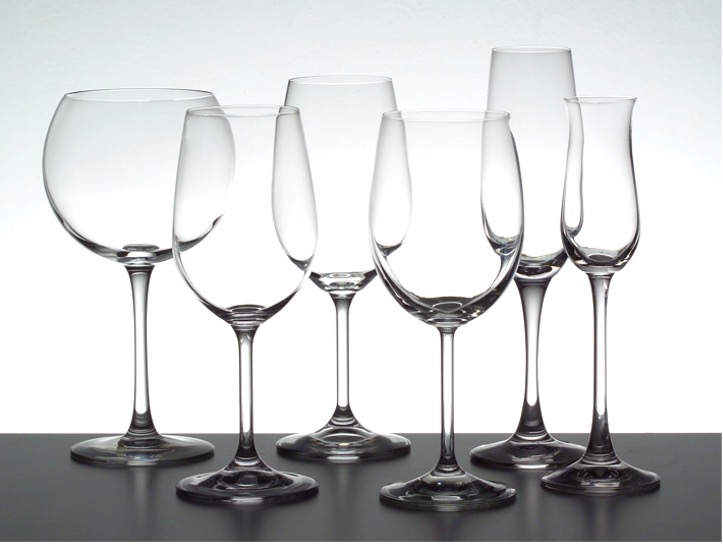
A proper wine glass should be clear, colourless and free from decoration. Thin glass or crystal is essential for aromatic precision. The stem should be elegant, the bowl ample enough for swirling, and the closed tulip shape ideal for concentrating aromas.
Choosing the right glass is as important as selecting the wine itself.
Appropriate Glasses by Wine Style
Sparkling Wines
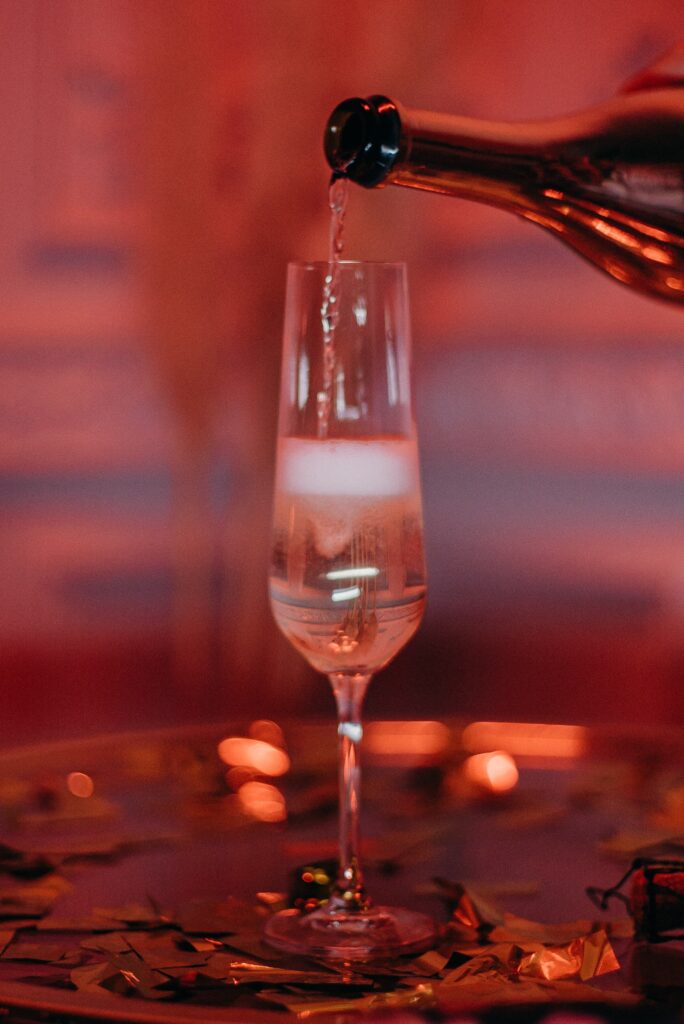
Tall, narrow flute glasses preserve bubbles and highlight aromatic finesse.
Fresh, High-Acidity Whites
Medium-sized narrow glasses suit varieties such as Moschofilero, Assyrtiko, Malagousia, Roditis, Sauvignon Blanc and Riesling. These glasses also work for rosé and sweet wines.
Full-Bodied, Low-Acidity Whites
Balloon-style glasses allow wines like Chardonnay, Roussanne and Semillon to aerate and express complexity.
Light, Simple Reds
Medium-sized glasses slightly larger than white wine glasses suit approachable reds such as Beaujolais, basic Bordeaux, Côtes du Rhône and entry-level New World wines.
Rich, Concentrated Reds with Strong Tannins
Large, closed tulip-shaped glasses are ideal for Cabernet Sauvignon, Merlot, Syrah and premium Nemea wines. Balloon glasses should be avoided.
High-Acidity, Medium-Bodied Reds
Wide tulip-shaped glasses enhance wines like Xinomavro, Pinot Noir, Nebbiolo and Barbera.
Spirits
Small, closed tulip-shaped glasses with flared rims are ideal for tsipouro, grappa, cognac and whisky. Traditional balloon cognac glasses should be avoided.
AGEING
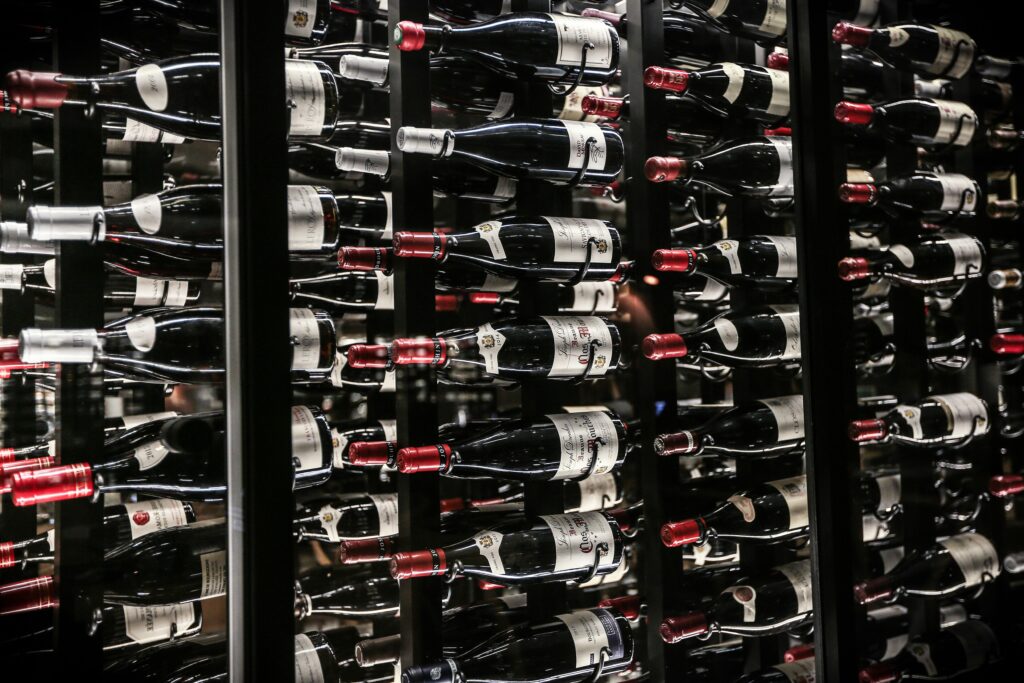
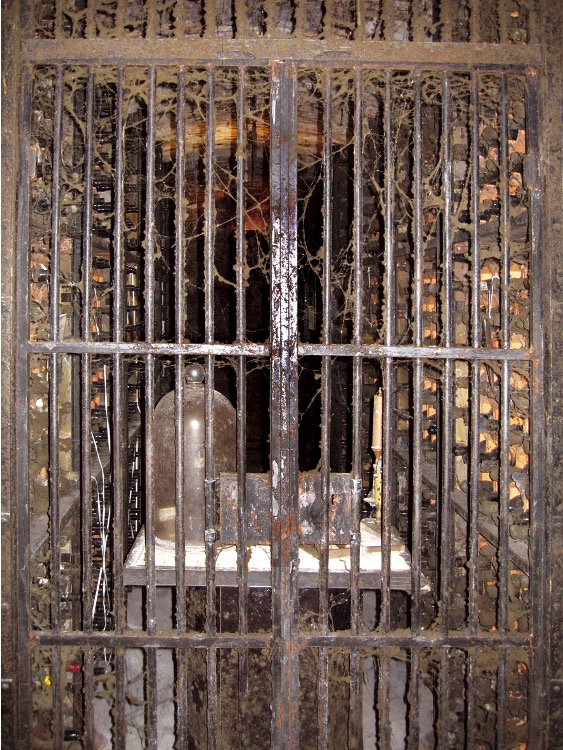
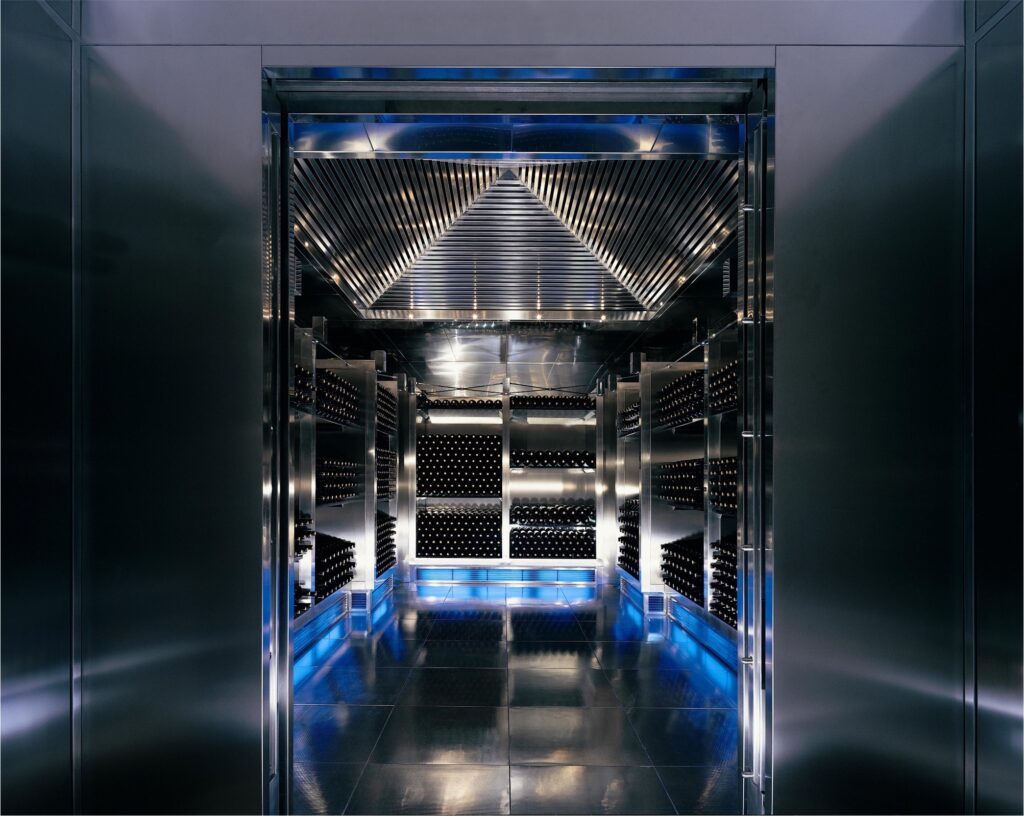
Wine ageing enhances complexity through bottle maturation under cellar conditions:
- Temperature: stable, around 13°C
- Humidity: approximately 70%
- Darkness: protection from light
- No vibrations or odours
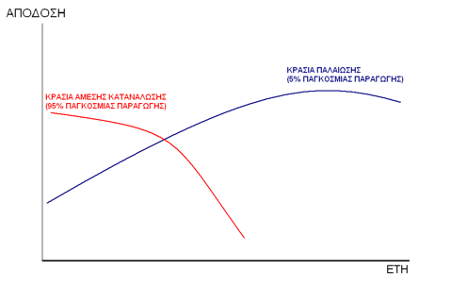
Less than 5% of global wine production is suitable for ageing, requiring fruit concentration, freshness, high acidity and tannins (for reds).
What Happens During Ageing
Colour:
White wines deepen from greenish hues to golden tones.
Red wines shift from violet to brick and terracotta shades.
Aroma:
Fruit notes fade, giving way to honey, spice, nuts, coffee, leather and dried flowers.
Palate:
Acidity softens, tannins become velvety, and balance improves.
How Long Should a Wine Age?
The answer depends on wine quality, region, producer, vintage and personal taste. Ultimately, only tasting can reveal the ideal moment.
When to Open an Ageing-Worthy Bottle
With a single bottle, theory and luck guide the decision. With multiple bottles, periodic tasting helps determine the optimal window.
As we conclude this sensory journey, let us remember that wine enjoyment is far more than flavour alone. It is the combined effect of many elements that shape the final experience.
Let us continue exploring the world of wine with curiosity and a refined palate.
Authors:
Manos Kentikelenis – Ariadni Nikaki
winewineillusion