
Wine, as an integral part of the art of living, has long been intertwined with human life. When those involved are famous figures, simple moments turn into history—and history becomes tradition. Let us therefore look back in time, seeking out moments when wine lent style, brilliance and legend to human stories.
In Ireland, folklore has it that fairies have a particular fondness for fine wine. As proof, it is said that in the past nobles would leave a barrel of wine for them—and by morning, in a most mysterious way, it had vanished. Strangely enough, no official investigation has yet been launched into Ireland’s “barrel thieves”.
Historians believe that the lava of Mount Vesuvius in 79 AD buried not only the city, but also some 200 wine bars of Pompeii.
In Burgundy, in the village of Corton, lies the Corton-Charlemagne vineyard, from which some of the most expensive white wines in the world are produced. Tradition has it that this vineyard initially produced red wines, but at the request of Charlemagne, the vines were replaced with the white variety Chardonnay—because red wine stained his beard.
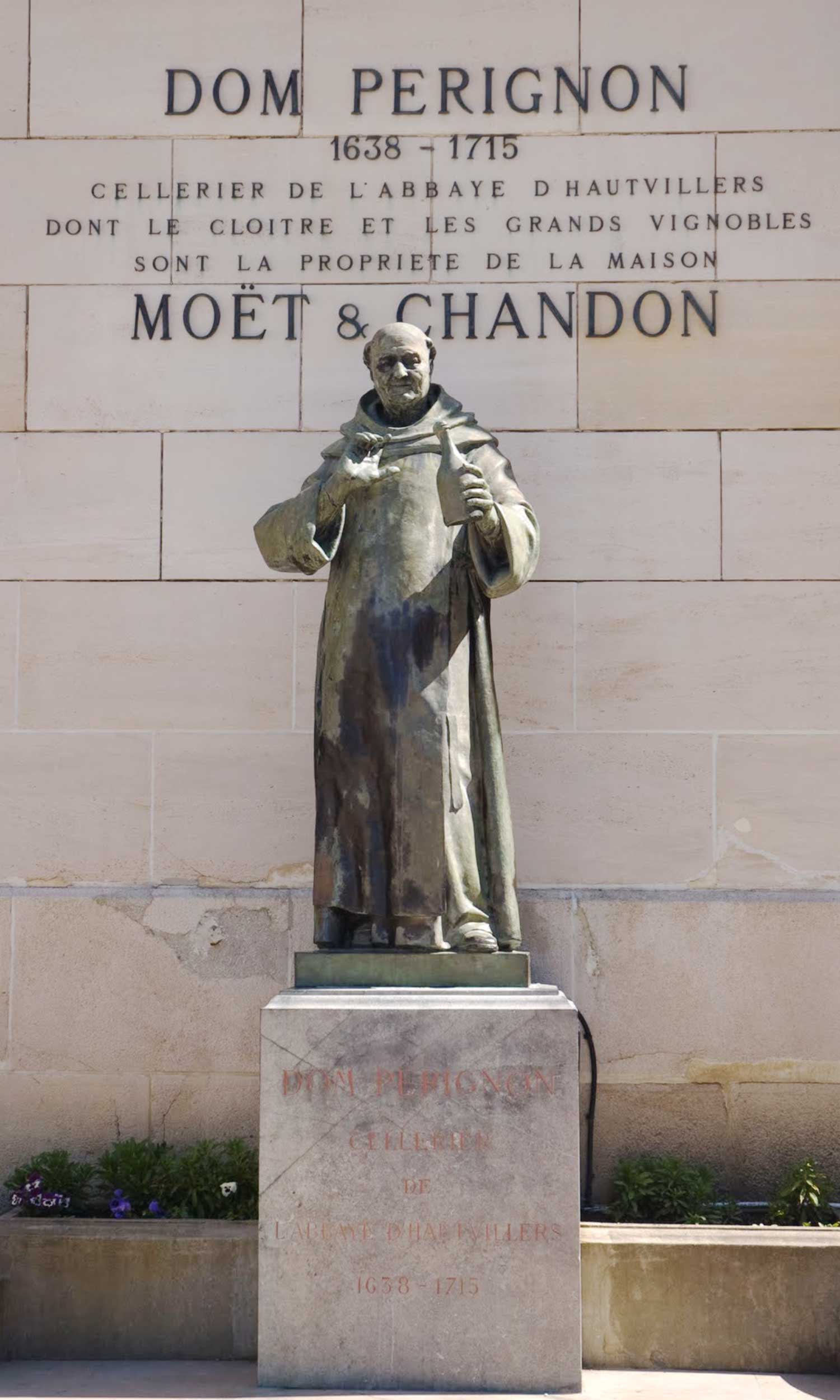
“Come quickly, I am tasting the stars,” is said to have exclaimed the Benedictine monk Dom Pérignon to his fellow monks when he first tasted Champagne.
Joséphine, the first wife of Emperor Napoleon, despite being described by historians as a temperate personality, maintained a cellar of 13,000 bottles.
After the announcement of the American Constitution, its 55 architects—including George Washington, Benjamin Franklin and Thomas Jefferson—celebrated with 54 bottles of Madeira and 60 bottles of Bordeaux.
Spyridon Louis, winner of the marathon at the 1896 Olympic Games, refused the official refreshments at the finish line and instead chose to drink a few glasses of wine.
On its maiden—and final—voyage, the ocean liner Titanic had stocked 2,000 wine glasses and 1,500 bottles of wine. Despite the depth and the impact, many of the bottles were found intact.
At one point, the owner of the famous Château Lafite Rothschild (one of the leading estates of Pauillac in Bordeaux) sent the composer Gioachino Rossini (The Barber of Seville) a parcel of grapes from the estate. The response was anything but grateful. Rossini pointedly remarked that he did not enjoy tasting wine in capsules, even if the grapes were magnificent. The next time, the composer received several bottles of the estate’s precious wines—proving that even frugality has its limits.
During the 1989 San Francisco earthquake, among other losses, 113 million litres of wine were destroyed.
The legendary Parisian restaurant La Tour d’Argent, during World War II, remained open—against the owner’s wishes—for the pleasure of Hermann Göring. The owner, however, took precautions: he sealed off the cellar entrance and served inexpensive wine throughout the war. The rare and valuable bottles returned to the wine list only after its end.
Since 1945, Château Mouton Rothschild has commissioned a different renowned artist to design its label. Labels have been created by Picasso, Dalí and Andy Warhol. The 2004 label was designed by Prince Charles of England.
In the original version of the Brothers Grimm fairy tale Little Red Riding Hood, the young girl buys a bottle of wine for her grandmother. This detail led the state of California to confiscate 400 copies of the book.
The French are generally fiercely protective of their vineyards. The following incident takes this to another level: in 1954, the municipal council of Châteauneuf-du-Pape banned the landing and take-off of flying saucers over the area.
Every year, in the small town of Haro in Spain, the famous “Wine Battle” takes place. Participants throw red wine at one another using bottles, bags and water guns. It is estimated that around 50,000 litres of wine are used.

CAPTIONS – PHOTOGRAPHS
Dom Pérignon, the benefactor, fell in love with Champagne—and invited us to love it too.
Wine resistance à la La Tour d’Argent: wines that the Nazis never tasted.
Wine bars under lava.
Titanic: Champagne bottles that shared the ship’s fate.
The Château Mouton Rothschild label designed by Prince Charles.