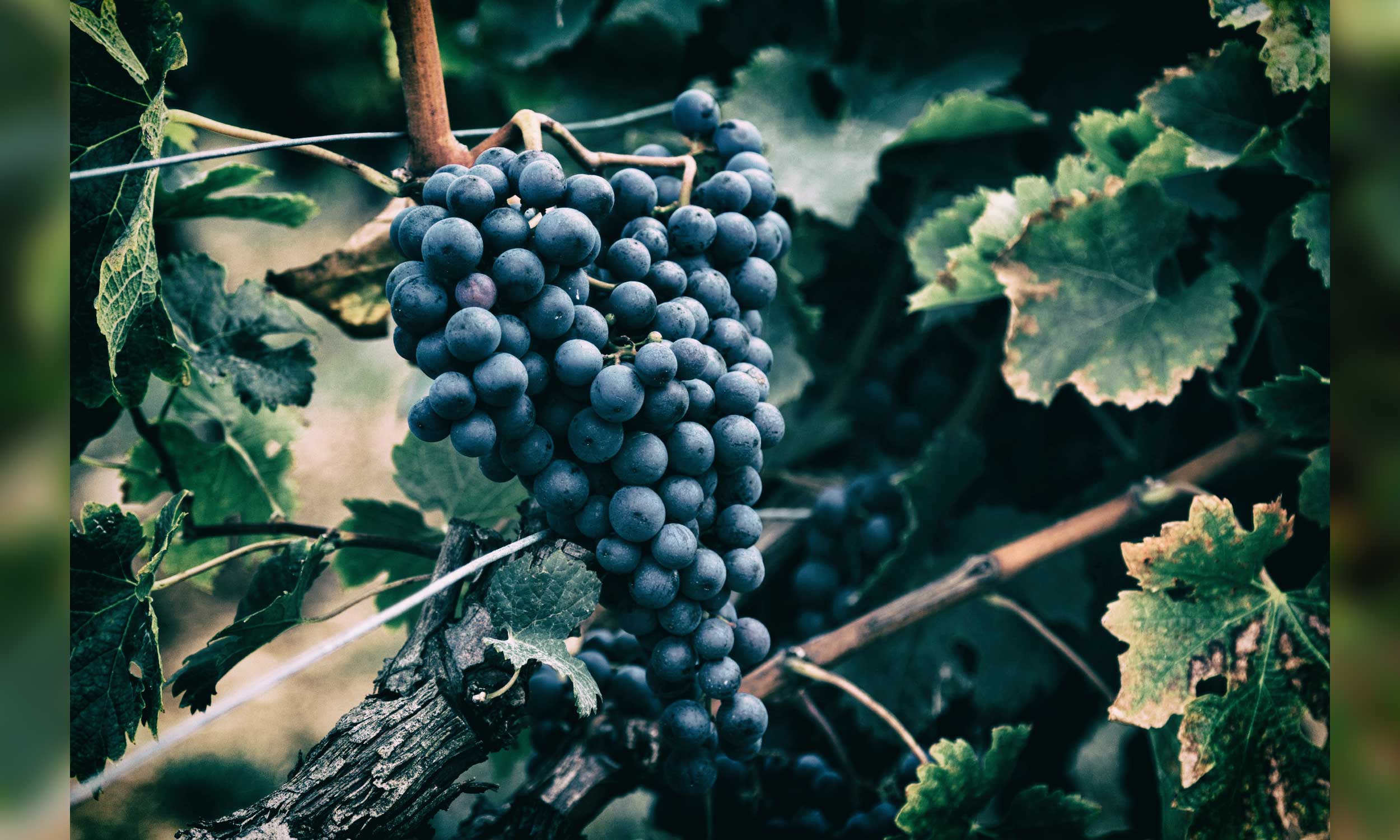

Zinfandel is a truly versatile grape variety, and it would not be an exaggeration to describe it as a vinous chameleon. It manages to showcase its temperament across an astonishing range of styles: from dry red wines to dry rosés (known as White Zinfandel), semi-sweet or semi-sparkling rosés (blush wines), reds intended for immediate enjoyment as well as long-term ageing, all the way to sweet dessert wines and fortified, Port-style expressions.
Wines made from Zinfandel are generally full-bodied and expressive, with California’s red Zinfandels unquestionably making the biggest impact and earning the highest level of recognition. Along the American West Coast, Zinfandel has come to embody the image of Hollywood wine glamour.
A European Heritage
The arrival of Zinfandel in the New World is a fascinating story. Although universally recognised today as California’s flagship variety, Zinfandel is a member of the European Vitis vinifera family—making it yet another unconventional immigrant to the New World.
Around the early 1800s, Zinfandel’s popularity surged and vineyards were planted throughout California. This widespread cultivation led to the long-held belief that Zinfandel was of American origin. That assumption endured until scientists identified striking similarities between Zinfandel and Primitivo from southern Italy.
The story took an even more surprising turn when genetic research revealed that Zinfandel’s true origin lies neither in the United States nor in Italy, but in Croatia. Likely arriving almost by accident among thousands of shipments to the New World, Zinfandel found itself on the other side of the Atlantic, becoming part of the American Dream.
It is worth noting that Zinfandel’s popularity in the United States did not decline even during Prohibition in the early 20th century.
Style and Regional Expression
From a sensory perspective, Zinfandel is widely acknowledged for producing richly flavoured red wines, with fruit expression largely determined by grape ripeness. Cooler vineyard sites yield aromas of blackberry and dark berries, while sunnier locations bring out blackberry, pepper and spice.
As a result, the Sierra Foothills have earned a reputation for producing particularly rich and expressive Zinfandels—often described evocatively as “roses and hazelnuts”, complemented by sweet berry aromas.
Sonoma County, and especially the warm Dry Creek Valley, is known for a juicy, spicy style dominated by notes of blackberry, anise and pepper.
The Russian River Valley, famed for its abundance of old vines, produces more elegant wines with spicy nuances and comparatively lower alcohol levels.
In Paso Robles, with its warm days and cool nights, Zinfandel tends to be soft and delicate in texture, though often notably high in alcohol.
The celebrated Napa Valley produces Zinfandels that are juicy, spicy and intensely aromatic, with dominant notes of red berries, cedar and vanilla.
In Lodi, home to some of California’s oldest Zinfandel vines, White Zinfandel (rosé) is also produced, while the red versions are known for their juicy yet approachable character. The region is additionally recognised for producing some of the finest Zinfandel-based dessert wines.
Food Pairing
The wide stylistic range of Zinfandel allows for an equally broad spectrum of food pairings. It pairs ideally with meat-based dishes of all kinds—from grilled pork ribs and sausages to succulent pork knuckle or delicate venison.
Zinfandel shows a particular affinity for smoked meats, while dishes finished with barbecue or curry sauces are nothing short of divine alongside it.
Final Thought
If Zinfandel had to be defined in just two words, they would certainly not be aristocratic or refined. Instead, bold and dynamic are descriptors it has unquestionably earned on its own merits.
Advice: Pay close attention to the term “Old Vine Zinfandel.”
Some wineries choose to highlight this on the label, indicating that the wine is produced from California vineyards with vines over 50 years old.