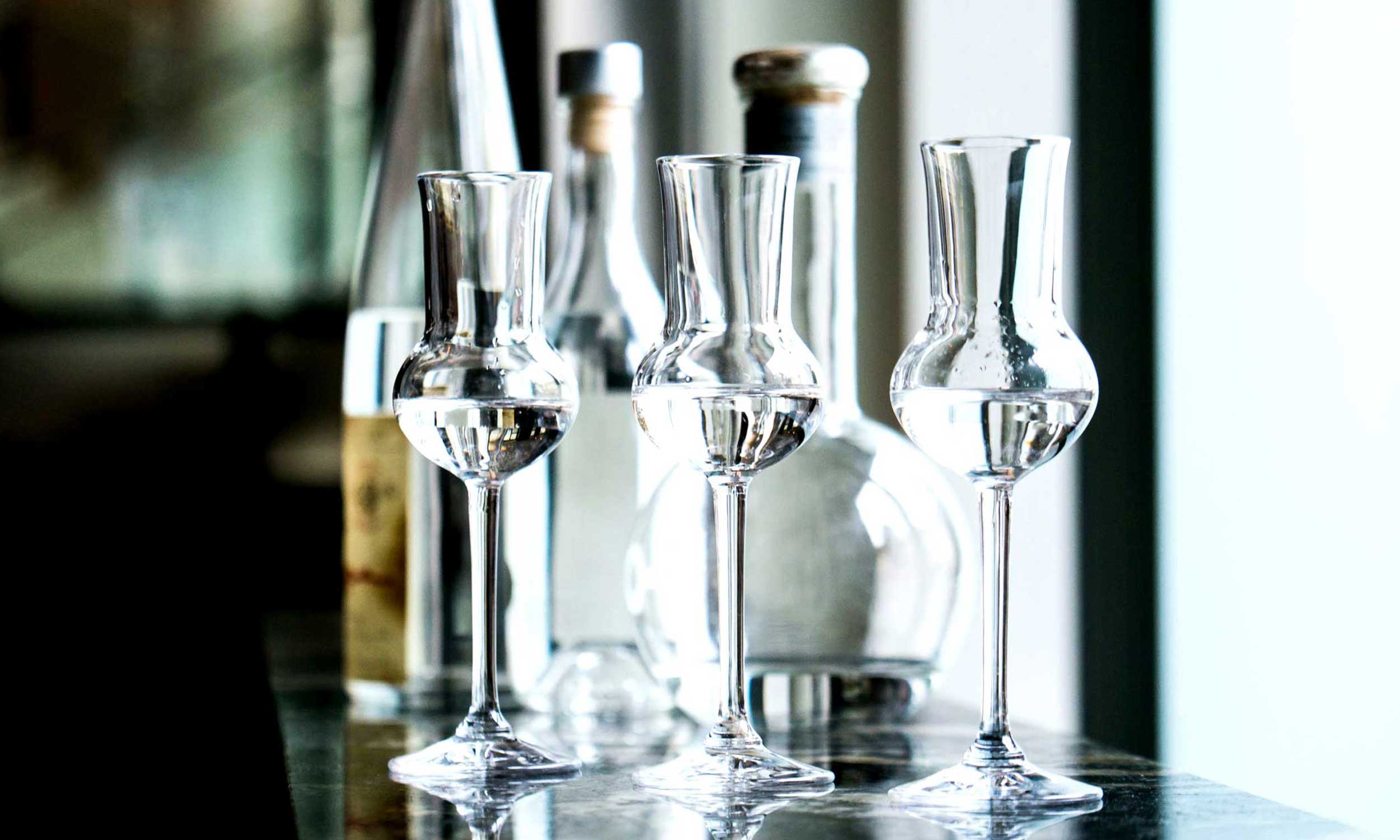

Grappa is nothing more—and nothing less—than Italy’s signature expression of pomace distillation: a spirit born from grape skins, seeds and stems after they have already yielded their precious juice for winemaking.
If this sounds familiar and brings to mind Greek tsipouro or French marc, you are absolutely right. The difference is that a great Italian grappa represents these spirits in their most refined, technically precise and unapologetically premium form.
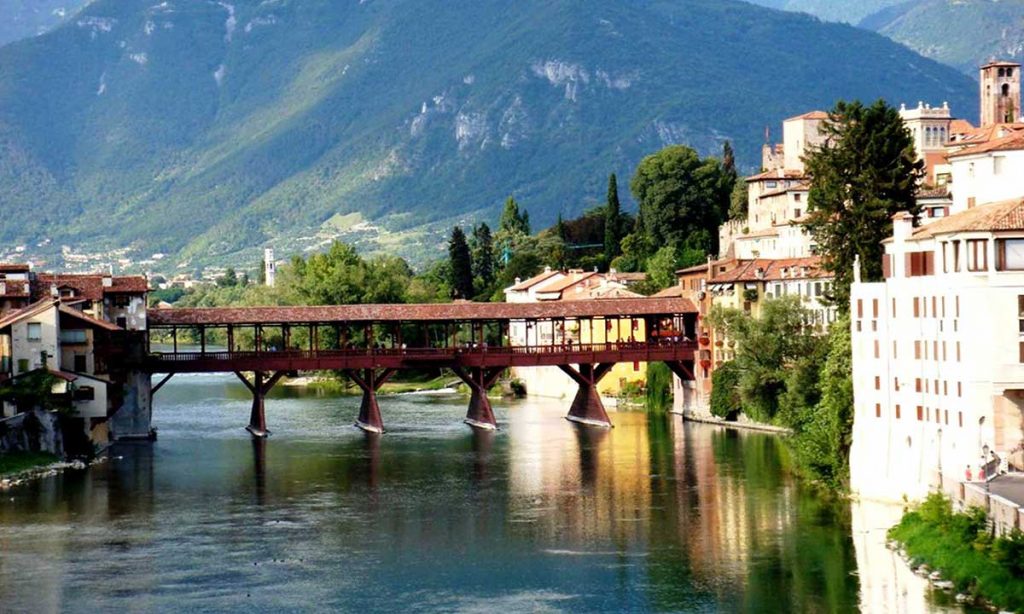
Northern Italy—particularly Piemonte, Veneto and Alto Adige—is where the heart of grappa beats most strongly. Its production dates back to around 1000 AD, originally for medicinal purposes.

Production
A grappa is, quite literally, a magnification of both the virtues and flaws of the grape from which it is made.
In other words, a grappa can only be as good as the raw material it comes from. The sooner the pomace is distilled, the higher the quality of the final spirit. Speed and proper handling are therefore critical—prompt, careful transport of the pomace to the distillery is essential.
- White grape pomace must ferment before distillation.
- Red grape pomace does not, as fermentation has already taken place during winemaking.
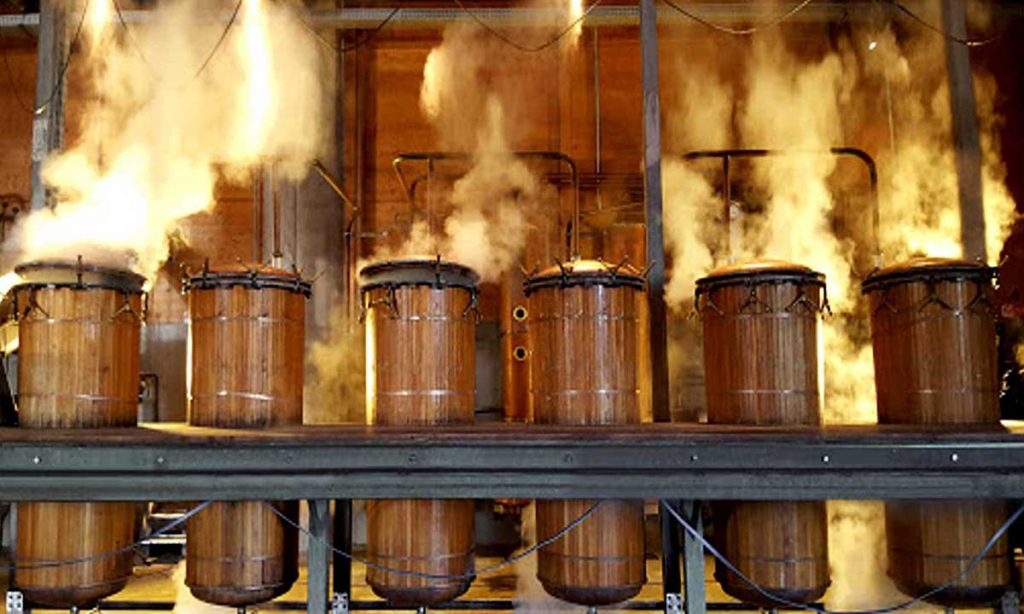
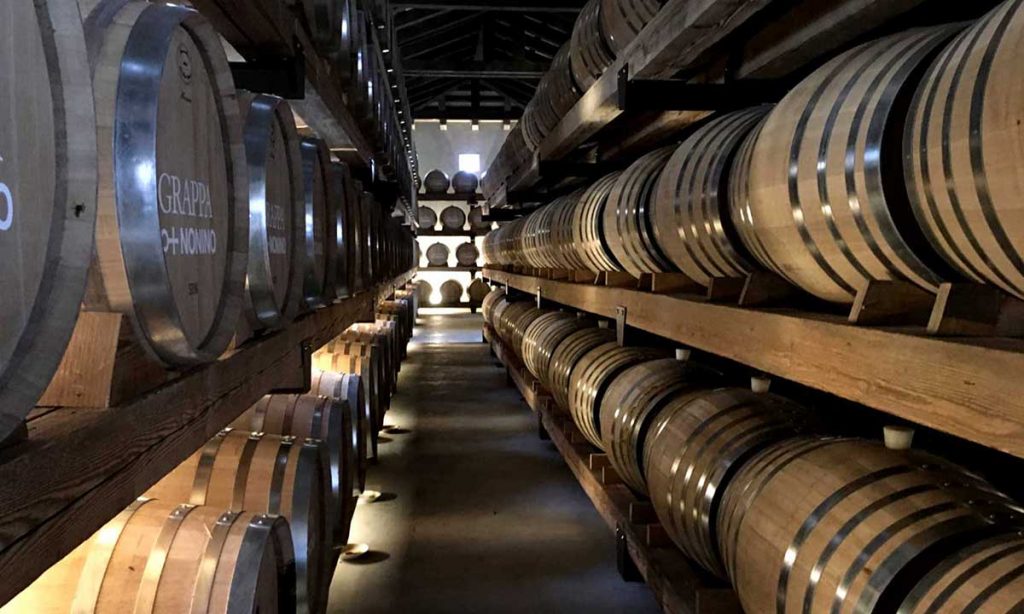
Distillation itself—whether in traditional pot stills or column stills—is an art form in its own right. What follows is a resting or maturation period, either in stainless steel tanks or in wooden casks, depending on the style.
As master distiller Jacopo Poli famously put it:
“Making a good grappa is easy. All you need is excellent pomace—and 200 years of experience.”
Styles of Grappa
Young / Unaged (Giovane)
Blends of different, usually non-aromatic grape varieties. Most commonly bottled in one-litre formats. Pure, direct and uncompromising.
Single-Varietal (Monovitigno)
Produced from the pomace of a single grape variety—clearly stated on the label, often alongside the term Monovitigno. These grappas express the distinctive aromatic and flavour profile of the grape itself.
Barrel-Aged (Invecchiata / Riserva)
Easily recognised by their deeper golden hue, the result of maturation in wood. Sweeter and rounder than tank-aged grappas, with a softer texture and added complexity—much to the dismay of purists.
Aromatic Grappa
Made from aromatic grape varieties such as Muscat or Traminer. Floral, expressive and approachable, they are particularly popular among newcomers to grappa—and often favoured by women.
Prestige / Named Grappas
Produced from the pomace of renowned wineries or celebrated wines. Sometimes exceptional; other times merely clever marketing—all that glitters is not gold.
Acquavite d’Uva
Distilled not only from pomace but from whole grapes. The result is a spirit with more intense aromatics, a softer mouthfeel and—inevitably—a higher price tag.
Tasting & Sensory Profile
Grappa offers an astonishing range of aromas and flavours—essentially as many as those found in wine.
As a general rule:
- Grappas from white grapes tend to be more acidic and less aggressive.
- Those from red grapes are often bolder and more structured.
- A defining characteristic of all grappa is its peppery finish.
Barrel-aged expressions introduce additional layers of caramel, vanilla and gentle sweetness, adding depth and roundness.
Serving Temperature
Grappa should never be served ice-cold—nor overly warm.
- Young and aromatic grappas: ideal at 9–12°C
- Aged grappas: best enjoyed at 15–17°C
When in doubt, opt for the lower end of the temperature range. Cooler serving temperatures soften the perception of alcohol “burn” and allow the grappa’s texture and aromatics to shine with greater elegance.